

You Should Avoid These iPhone Models In 2026 - Here's Why
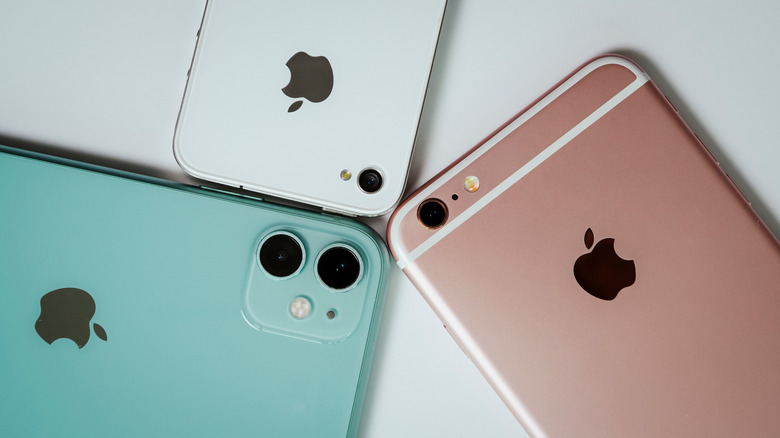
While rocking a vintage iPhone might sound good in theory, especially if you love the design of older Apple products, it isn't always the best course of action. That's because older devices are typically less supported with software, especially several years after their release date. While some older Apple devices still get security updates and offer the latest features in the newest version of iOS for a limited time, it could lock you out of potential software updates. That isn't the worst part, though. While these phones can still work great for people, and you can even repurpose old iPhones for a number of things, using one with a vintage label could result in you having a much harder time getting replacement parts should anything go wrong. In fact, you should probably avoid these phones.
Currently, Apple has 12 devices included on its vintage iPhone list. This list starts with the iPhone 6s, which was released way back in 2015, and continues up to the iPhone 11 Pro, and iPhone 11 Pro Max, which were released in 2019. Here's the complete list from start to end:
- iPhone 6s (16GB, 64GB, 128GB)
- iPhone 6s Plus
- iPhone 7
- iPhone 7 Plus
- iPhone 7 (PRODUCT)RED
- iPhone 8 (64GB, 128GB, 256GB)
- iPhone 8 Plus (64GB, 128GB, 256GB)
- iPhone X
- iPhone XS
- iPhone XS Max
- iPhone 11 Pro
- iPhone 11 Pro Max
What Apple considers vintage
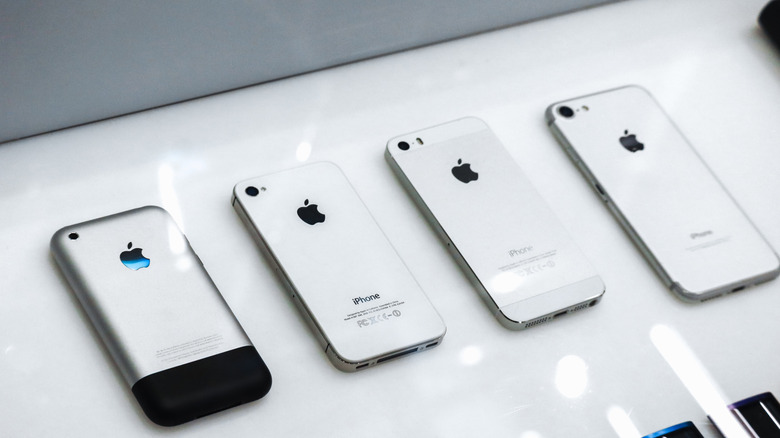
Apple says it considers any product "vintage" once it stopped distributing it for sale over five years ago, but less than seven years ago. That means that if you have a device that hasn't been on the market for six years, you're officially rocking a vintage iPhone.
This is not to be confused with the company's definition of "obsolete" devices, which are any devices that Apple stopped distributing for sale over seven years ago. The reason that this definition is important to understand is because Apple does not provide any hardware support for the devices that it considers obsolete. But you may be able to find parts for the vintage devices, though it will depend on the overall availability of those parts at repair centers.
This all gets a bit more confusing when you factor in that certain laws in France require Apple to provide owners of iPhones with up to seven years of hardware support after the last date that Apple was distributing those items in France, if the date falls after December 31, 2020. Essentially, this appears to mean that consumers outside of France are not guaranteed seven years of hardware support, as it depends entirely on what parts may be available to service providers at the time.
Why you should avoid vintage devices
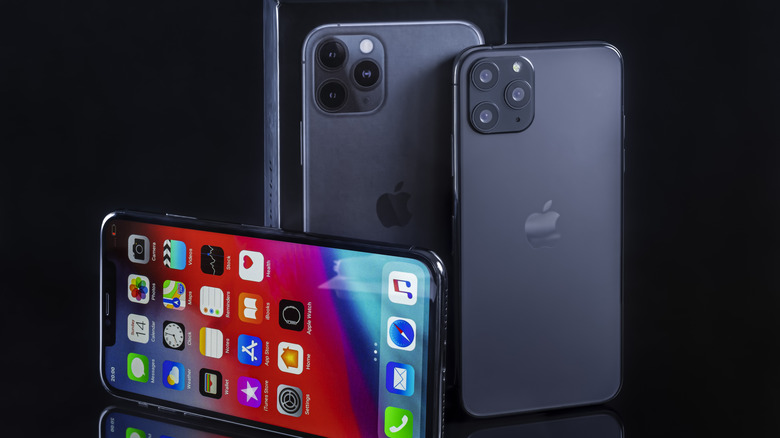
Rare vintage tech can be a great resource not only for remembering old tech you love, but also for making some extra money if you want to sell it. However, because of the potential lack of hardware support, using a vintage device as your daily driver is not really recommended. Any drops, dings, or other damage to the device may be difficult to repair, especially if you live in an area where service providers don't have ready access to the needed parts to replace those damaged features.
Additionally, while this isn't the case for all the vintage iPhones on the list above, some of them might not support the latest security or software updates, which could leave you exposed to new exploits and other vulnerabilities. While Apple does patch out big exploits in some of its obsolete software, that isn't always going to happen.
As such, it's recommended to upgrade your device at least every few years, once the device you are using becomes vintage or is marked as obsolete. You don't always need to go with the latest and greatest, like the iPhone 17 Pro. But as the online security world continues to change, keeping a device that offers up-to-date hardware and software can be a boon for protecting your digital privacy. It can also help ensure you don't run into unexpected hardware problems that can't be resolved easily.