

Did The BoxLock Smart Padlock Survive After Shark Tank? Here's What Happened After Season 10
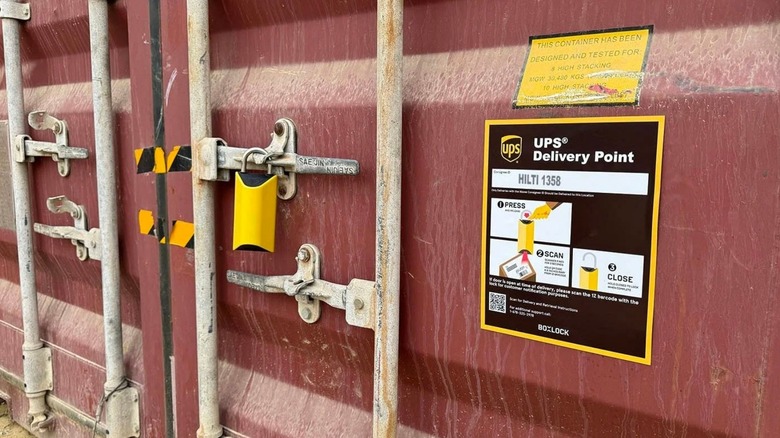
Package thieves and porch pirates are a real problem for Americans, as 250,000 packages are stolen each day, according to safety research company SafeWise. These thefts are estimated to result in a loss of around $15 billion each year. So, it was no surprise to see a product trying to solve it on Shark Tank. BoxLock CEO and founder Brad Ruffkess appeared on the first episode of Shark Tank Season 10 seeking $1 million in funding for the company's smart padlock that would keep the packages safe and secure from thieves. Ruffkes was willing to offer 5% equity, in turn valuing the company at $20 million.
Ruffkes' Shark Tank appearance didn't go very well, as the BoxLock CEO wasn't able to justify the company's valuation to the Sharks, which is a way to refer to the investors in the Shark Tank panel. Pretty much all investors, including guest shark Jamie Siminoff, straight-up opted out of investing. However, Lori Greiner did show some interest and offered a complex deal, but even that wasn't successfully negotiated. As a result, Ruffkess and BoxLock left Shark Tank without any deal, similar to the Trippie app from season 9 and the GoalSetter app from season 10 of the show. However, the lack of a Shark Tank deal isn't always the end. So, what happened to BoxLock and its smart padlocks after Shark Tank? Let's find out.
Life after Shark Tank for BoxLock
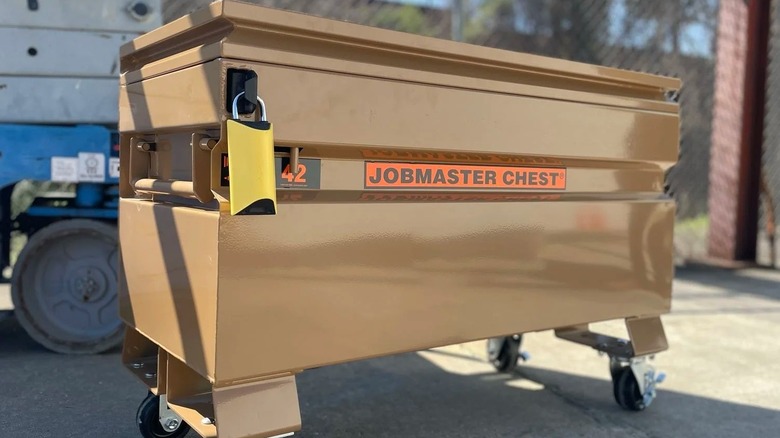
Although Ruffkess didn't have too much to show for in terms of sales or partnerships while presenting BoxLock on Shark Tank, the company had managed to have 800 presales on Kickstarter, and the smart padlock was actively being manufactured and in the process of shipping to early customers. While all this wasn't enough for a deal, the appearance on the show itself helped generate a lot of buzz for interesting products and services.
During the period between the show's recording and airing, BoxLock secured a launch on Amazon as a Prime Day launch partner and started selling the smart padlock on the e-commerce giant. It also managed to get $750,000 in seed funding before the airing. So, while being unable to secure a deal on Shark Tank was a setback for the company, it kept marching on. BoxLock picked up its second major investment of $4.5 million in February 2020. In the same year, the company also hired Andrew Kelley, III, as its Chief Commercial Officer to help it pivot from selling smart padlocks to residential customers to targeting businesses.
As a part of this pivot, the company introduced two new products in April 2021, one of which was an upgraded smart padlock designed exclusively for enterprise use, whereas the other was a platform to manage and monitor BoxLock devices for businesses. The B2B pivot helped the company grow its business, and as per a LinkedIn post by Ruffkess from July 2022, the company had increased its revenue ninefold year-over-year. By July, the company had also completely moved away from its residential products.
What's the latest with BoxLock
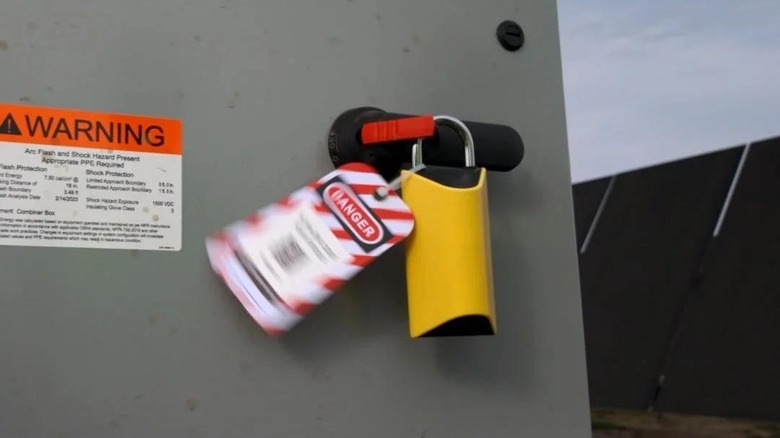
As of April 2026, BoxLock seems to be thriving and is focusing solely on its enterprise products and services. It's helping businesses move away from traditional locks to a smarter system that removes the need for physical keys but can be accessed using employee keycards and other digital modes. It also helps the companies securely track when and by whom specific smart padlocks are being accessed or unlocked, thanks to the built-in cellular connection. Moreover, the company is offering a digital lockout tag for sensitive and hazardous environments to offer real-time status updates.
Brad Ruffkess is still the CEO of BoxLock and continues to be actively involved with the company's operations. The smart padlock shown on Shark Tank for home customers may no longer be available, but BoxLock has found a path for itself and managed to succeed despite a not-so-great appearance on the show. Its season 10 accomplice — Spare app, however, hasn't been so lucky after Shark Tank.