

These 13 EVs Exceeded Their Advertised Range In Consumer Reports' Tests
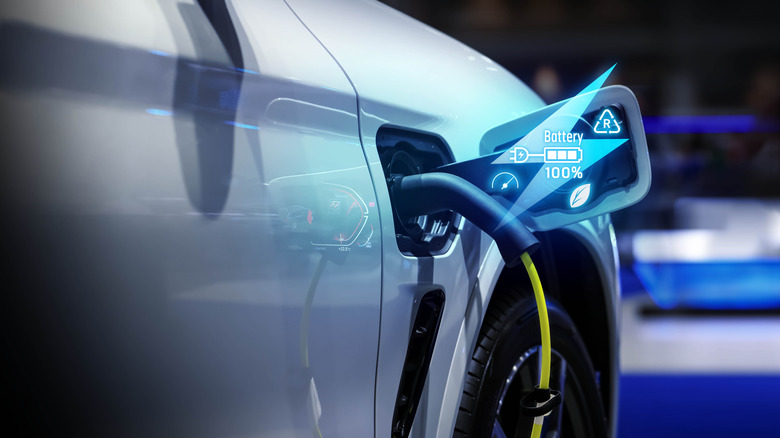
Range is an important consideration when buying an electric vehicle (EV). If you like to take long trips on the weekend, you need an EV that can drive as long as possible on a single charge. Fortunately, EV range has improved in the last few years, and newer models offer more range than would have been impossible to imagine just a few years ago. Some of the best luxury electric sedans now promise over 400 miles of range on a single charge, and you'll also find impressive range figures on some SUV models. In the U.S., range estimates from the Environmental Protection Agency (EPA) are used as the standard for determining how long a given EV will travel on a full battery.
But these figures don't always translate to the actual range you get once you buy an electric car. Some EVs do fall short on their advertised EPA-estimated range, while others can last longer than estimated. But as a buyer, you can't tell that by just looking at range figures on a manufacturer's website. Luckily, Consumer Reports (CR), an independent non-profit organization, has done all the heavy lifting by putting 26 current EVs through range tests to find out if they meet their advertised EPA-estimated figures.
In total, 13 EV models that exceeded their advertised range. This includes the 2025 Audi A6 Sportback e-tron, 2024 Tesla Cybertruck, 2026 Tesla Model Y, 2023 BMW i4, 2024 Cadillac Lyriq, 2025 Volvo EX90, 2023 BMW i5, 2024 Kia EV9, 2023 Mercedes-Benz EQE SUV, 2025 Volkswagen ID.Buzz, 2025 Mini Countryman SE ALL4, 2025 Hyundai Ioniq 5N, and 2024 Fiat 500e.
Why EV range isn't always what's advertised
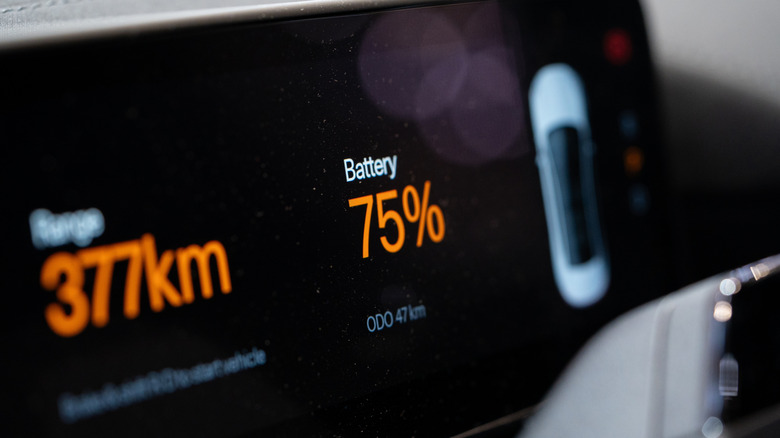
According to Consumer Reports' findings, half of the 26 EVs tested didn't meet their EPA-estimated range on the highway. Most models that fell short of their estimates missed the advertised figures by just a few miles, although some models like the 2023 Lucid Air and 2025 Rivian R1S fell short by over 50 miles. Chris Harto, senior energy policy analyst at Consumer Reports, notes the difference is to be expected because the EPA's tests are done in a simulated laboratory environment and the resultant range figures are a combination of both highway and city driving.
Where you drive makes a difference when it comes to EV range. CR's EV range tests were done purely on the highway with a constant speed of 70 mph until the vehicle ran out of charge and stopped. EVs tend to be less efficient on the highway, unlike gas-powered cars, which contributed to their lower real-world range than their EPA-estimated figures. So with a mix of driving environments, some EVs may be able to go further than these reports indicate. Temperature is another key consideration that affects EV range. EVs lose more range in cold conditions, with data from Consumer Reports indicating that they can lose as much as 25% at 16 degrees Fahrenheit while driving at 70 mph. In warmer weather, you may benefit from more range on your EV.
CR notes that you might also get better numbers than advertised due to "trends in how some automakers treat range claims," with some being cautious while others are "a bit optimistic." Since there are different factors that will affect the range of an EV in the real world, it's important that you check the real-world range of an EV you're interested in buying from reputable sites like Consumer Reports before committing.