

Before You Buy Vintage Audio Gear, Consider These 3 Things First
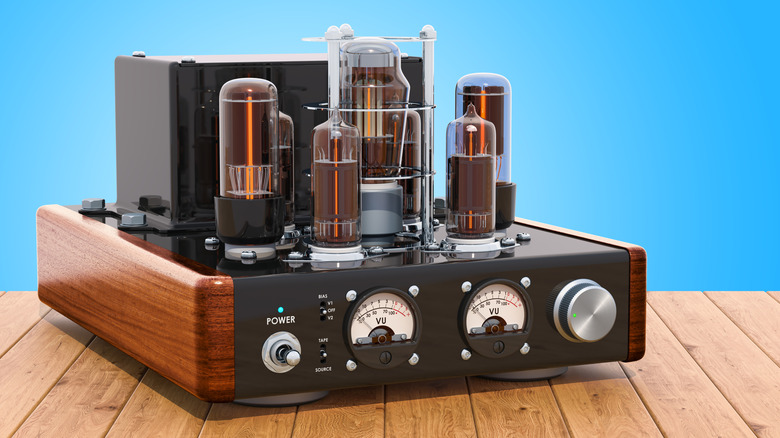
Buying new audio gear isn't always necessary. In some cases, choosing new equipment when vintage equipment will suffice is nothing other than a waste of money. That's not to say that vintage audio gear is always superior to new products, though. When buying vintage audio equipment, it's important to keep certain key points in mind to ensure you're spending money on something that's truly a worthwhile investment.
Buying used audio gear, particularly from reputable brands, can theoretically help you save quite a few bucks (at least sometimes). However, the cost of the equipment itself might not represent the total amount of cash you need to invest in these units to get them working properly. Remembering these critical points when shopping for vintage audio equipment will help you avoid wasting money and boost your odds of minimizing overall expenses. Most importantly, heeding this advice will simplify the task of putting together a quality vintage-forward audio system.
Repairing vintage audio gear may require specialized service
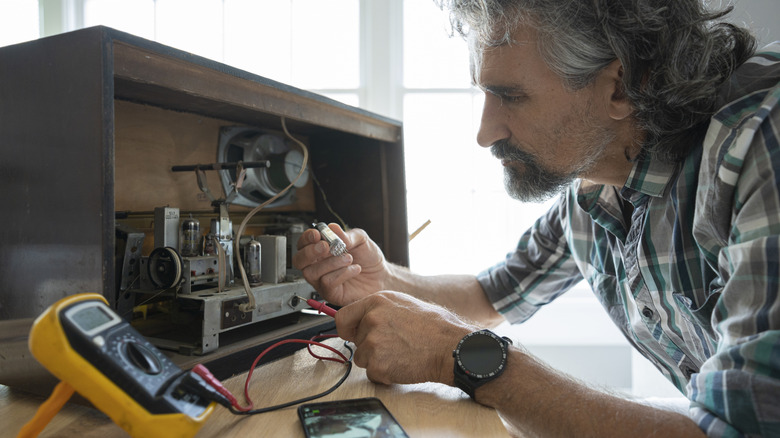
Identifying the specific issues affecting vintage audio gear that needs some repairs can be challenging. Unless you already have the technical know-how, you'll also have to hire a technician with the experience necessary to actually perform any necessary repairs if a piece of vintage equipment isn't in perfect condition when you buy it. This can add to the initial cost of a set of used speakers or a receiver. You might not save as much money as you thought you would when buying used if you need to spend extra on repair bills.
Your goal should be to test vintage audio gear before buying it so you can avoid wasting money on something that will need costly repair work. For example, if you're shopping for vintage receivers or amps, bring along a pair of audiophile headphones. Confirming that vintage audio gear works reliably before buying it can save you money and frustration in the long run.
Also, be aware that not all vintage components are easily available. If a component breaks, finding a replacement may prove difficult. Even if you eventually manage to find the right component, the process of tracking it down could take time. Again, you might also struggle to find a repair professional who can install it. Calling the manufacturer directly (if the company is still in business) might not always work. Depending on the age of the unit, the manufacturer might simply recommend buying a new piece of gear instead of offering repair service for something they consider obsolete.
Not all vintage audio gear will be compatible with modern technology
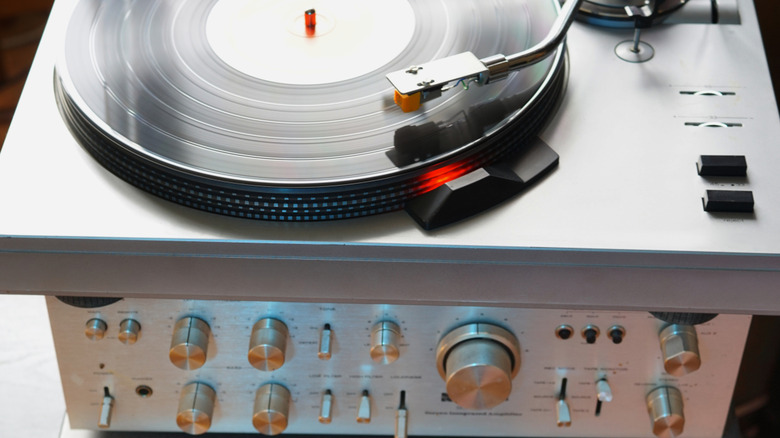
Before making your purchase, you should consider the fact that vintage audio gear might not always be compatible with the modern technology you might want to combine it with. For instance, along with using vintage amplifiers to play records off a turntable, you might also want to connect them to your CD player, computer, or even your smartphone. Maybe you also want Bluetooth connectivity. Although you can often buy adapters to facilitate the necessary connections, again, this will add to the overall price tag.
It's also worth noting that vintage doesn't always equal quality. Consider the example of tube amplifiers. Although some argue that the sound they produce is unmatched, their key components can burn out and need replacing every few years. This factor alone can significantly boost the overall cost of such amps. That's just one reason some strongly encourage buying vintage amps from the '70s onward, when solid-state amp technology started to become the norm.
It's still worth comparing vintage audio equipment to a modern equivalent
None of this is meant to deter you from looking for quality vintage gear. Again, in many cases, new gear can cost more money than it's worth. On the flip side, given the resurgence of vinyl, which may signal a general return to nostalgia for audiophiles, some vintage equipment is now priced much like new gear.
When you've found a piece of vintage equipment you're thinking about buying, try to identify a modern equivalent. Evaluate the same set of factors for each piece of gear. These factors may include price, technical specs, brand, and maintenance needs, among others. Once you've honestly compared the two, ask yourself if you're leaning in the direction of vintage equipment because it's truly superior, or because it's, well, vintage.
The good news is that many types of vintage audio gear genuinely do stand up well against their modern alternatives. You simply need to remember that the degree to which this is true varies on a case-by-case basis. By doing your research and considering these factors while shopping, you'll feel more confident you're buying units that will actually satisfy your ears (without breaking the bank).