

Are Expensive Phone Cases Actually Worth The Price Tag?
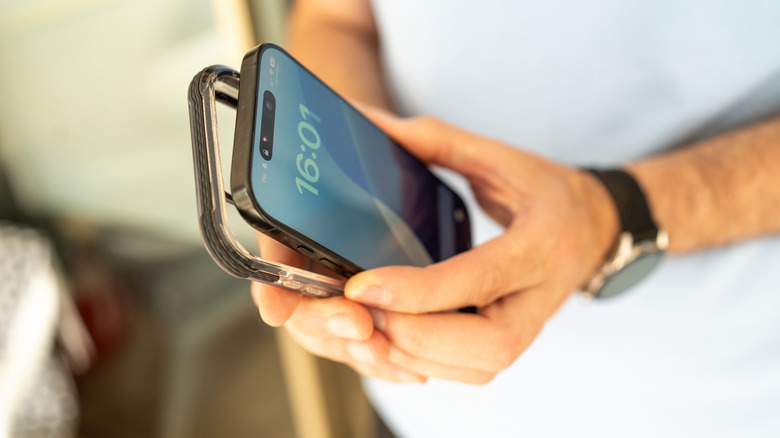
Once you get a new phone, despite growing belief that there's no need for phone cases anymore because the latest premium devices are so durable, one of the first things you'll likely do is get a protective case for it. Not only does this enhance the look and potentially offer better grip, it also protects the device against scratches, cracks, scuffs, fingerprints, and other unsightly issues or potential damage. Phone cases come in so many varieties with pricing that varies considerably. You can find a case for the cost of a cup of coffee or one that rivals a pair of wireless earbuds. Is it really worth it to spend so much on a phone case, especially with the price of premium phones on the rise?
The answer is a bit more nuanced than you might hope. It depends on the type of case — extra-rugged protective cases and waterproof ones, for example, logically cost more. In some cases, expensive pricing is justified, whether it's for special impact protection over and above what you'd get with a flimsy plastic case, use of materials, or licensed designs. When it comes to basic cover cases, there is some variance in quality and protective abilities to consider, which does not always directly correlate to price. Sometimes, you are paying more for brand recognition and reputation. And sometimes, you're paying less because the case doesn't offer any protection at all.
What to look for in a case
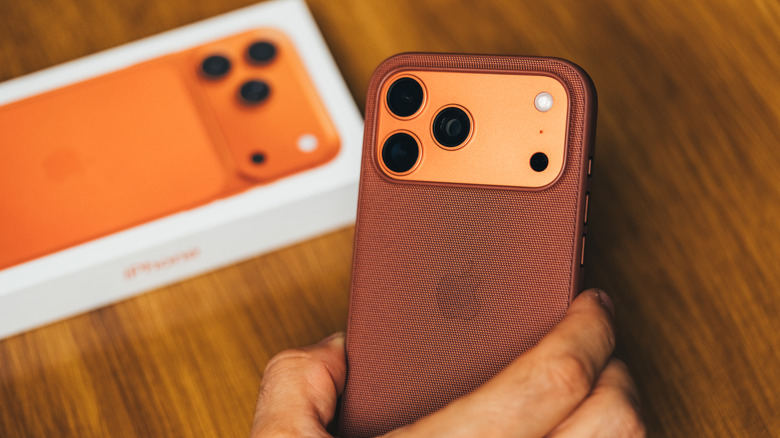
More important than price in terms of features you should look for in your next phone case is materials and design. The case should offer a decently thick layer of protection and be made from a strong and durable material that can absorb impact, like thermoplastic polyurethane (TPU) or polycarbonate. Look for "drop protection" in the description. Certification through rigorous testing is ideal, like meeting MIL-STD 810G standards for repeated drops from different angles, impact on hard surfaces, and vibration and shock resistance. The case should have a "lip" — a slight raise around the edges to help protect the screen. The edges absorb impact rather than the glass screen hitting the pavement directly. Some cases have raises around the camera or camera island as well, protecting the lenses from damage, too.
You'll find cases that are more expensive because they consist of multiple layers, like a soft inner lining covered by a harder outer protective shell for better distribution of force upon impact. Air cushions are another design to absorb impact, similarly to a vehicle's airbag. Cases that include screen protectors usually add a small bump in price for full 360-degree protection. The same goes for extra durable cases that encase the phone to prevent water damage. Cases with built-in MagSafe or Qi 2.2 capabilities for facilitating wireless charging and magnetic accessory attachment, like grips, stands, and wallets (for phones that don't have strong magnets already built in), generally cost more as well.
Form versus function

Certain cases are expensive mainly for design reasons. Some have intricate etching or cool-to-look-at features like bedazzling. Licensed cases from brands like Casetify are more expensive because you pay a premium for imagery from a favorite movie, TV show, character, comic, or company. If you use the option to personalize a case, this adds to the cost as well. Not all such cases are better in terms of protection. Having used many Casetify cases, these ones do offer great protection with impact bumpers, bounce corners, and military-grade certification. But some others are more expensive purely because of aesthetics. First-party cases from brands like Apple and Samsung are also generally more expensive because you're getting an assured perfect fit, high quality, and sometimes, unique features like MagSafe, wallet designs, or slots for holding a companion stylus, where applicable.
Overall, there are certainly cheaper phone cases that meet the most important noted criteria. But there are also conversely expensive ones that don't. So, it's not a matter of price when looking to buy new or replace your phone case, but rather of looking at the protective features, design of the case for things like raised lips and shock absorbent technology, customer reviews, and brand or product reputation. Some expensive phone cases are worth it, but others are not. Personally, the first case I always buy for a new phone is a Spigen one because the brand offers a balance between sufficient protection, price, and basic but attractive design.