

This 'Amazon's Choice' Carbon Monoxide Detector Could Be Dangerous, According To Consumer Reports
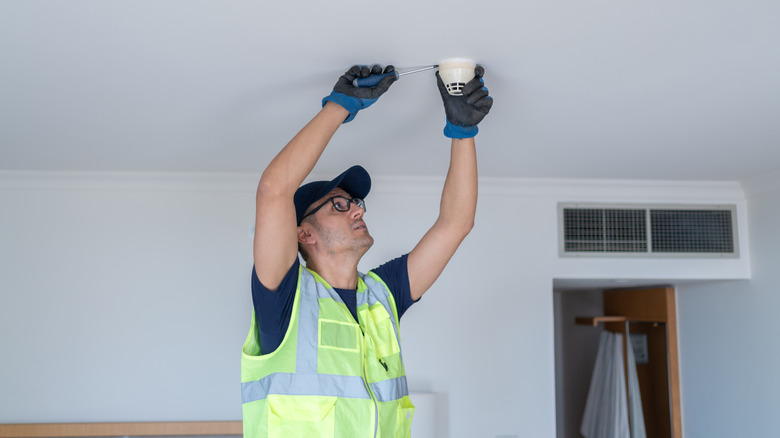
Consumer Reports has unearthed a potentially deadly fault in a popular carbon monoxide detector sold on Amazon, finding that the faulty detector resulted in at least four hospitalizations this year alone. This raises serious concerns about both Amazon and the carbon monoxide detection industry's lack of uniform, federally mandated standards.
Offered on the e-commerce website under the brand name Hembisen, the plug-in CO monitor is manufactured by Shenzhen Kanghua Shengshi Industrial Co, LTD. According to Consumer Reports, the detector billed itself as a four-in-one product that tracked temperature, humidity, and combustible gas, as well as other functionalities. Sold under model number KH-158, it received an 'Amazon's Choice' prior to the investigation. If you count yourself among those customers who purchased one of these detectors, CR suggests returning the product to Amazon.
According to Consumer Reports, Amazon has been alerted to the findings. The retailer "removed" the detector model "while [it investigates] the safety signals in question," and removed similar products that Consumer Reports also identified that were similar or identical to the faulty Hembisen detector, including models from KH Alert, Koaabit, Yojock, and Vilfet. Questions remain about the retailing giant's approach to verifying the safety and security of its various offerings, particularly safety products. Unfortunately, the report is indicative of broader trends regarding large online retailers and third-party sites.
A faulty detector poses deadly consequences
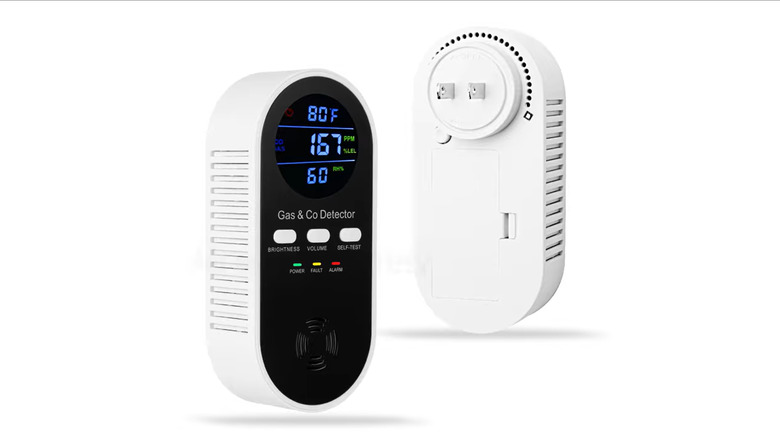
Consumer Reports identified four hospitalizations linked to malfunctions from the carbon monoxide detector in the U.S. government Safer Products database, which tracks unsafe consumer products. The incidents, which occurred in February and March 2026, stemmed from the detector's failure to alert users to highly dangerous CO levels. In one reported instance, a pair of teenagers was treated for carbon monoxide poisoning after "the device failed to sound any alarm or show any elevated readings while CO levels had reached life-threatening concentrations."
The report highlights dozens of customer reviews on the website reporting similar failures, including one in which a gas company employee told a customer he had multiple Hembisen-caused false alarms. Some reported headaches, tiredness, dizziness and other side effects from possible CO-exposure. At the time of Consumer Reports' reporting, the detector was extremely popular, selling more than 4,000 units the previous month.
The investigation underscores concerns regarding a lack of mandatory safety requirements for CO monitors. Voluntary standards, such as the Standard for Fuel Gas Alarms (UL 1484) and the Standard for Single and Multiple Station Carbon Monoxide Alarms (UL 2034), shift the onus on retailers and customers to demand higher standards. In a 2021 CPSC complaint, the government watchdog cited 400,000 products noncompliant or defective products marketed on the Amazon, including 24,000 CO detectors.
A guide to buying carbon monoxide detectors
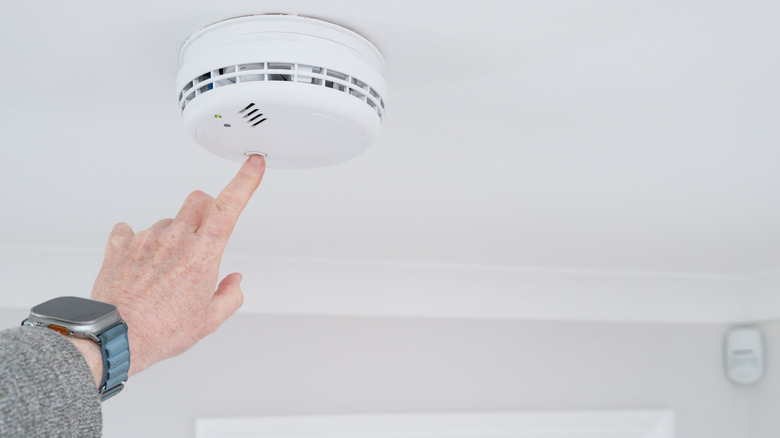
Protecting yourself from carbon monoxide poisoning can be a life-or-death precaution. According to the U.S. Centers for Disease Control and Prevention, the gas causes more than 400 fatalities and 100,000 emergency hospital visits in the U.S. every year. Such adverse causes can occur after just hours of exposure and are typically accompanied by symptoms like dizziness, nausea, fatigue and headaches. The watchdog suggests consumers test their detectors weekly and replace them at least once every 5 years. If you believe your product is faulty, you can report it to the CPSC via its website.
Consumer Reports offers several points of advice for purchasing a carbon monoxide detector. It suggests sticking to reputable brands, such as those tested by UL Solutions or Intertek Electrical Testing Labs, whose certifications include the above-mentioned safety benchmarks and can typically be found on a box or sales page. Another suggestion is to purchase a portable detector, which can typically discern lower levels of CO and is helpful when traveling. Smartphone-enabled detectors can also add value with several bonus features. Critically, CR recommends pairing portable detectors with home installations.