

How Long Do Raspberry Pis Last? Here's What Users Say
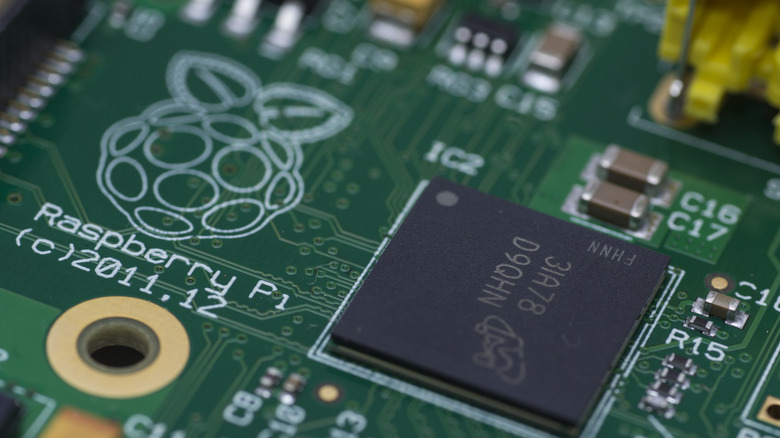
You can do some incredible things with the Raspberry Pi. There are some quick and easy projects for novice users, such as creating an HTPC, building smart home devices like smart photo frames, and setting up your own web server. You can also go the more conventional route and build a mini PC, even one that can run Steam games, to play on a desktop or in a living room. But while the versatile, very modular chipset is promising in that regard, there is the question of longevity. How long do Raspberry Pis last, on average, according to those who own and use them?
They don't include cooling, so you'll need to supply your own components, like a fan or heatsink, if you need them. Moreover, there are many ways to install a Raspberry Pi, and in confined spaces like cases or boxes, it might generate more heat. Prolonged and extreme heat can cause damage. So, it's a valid question.
Raspberry Pis can last between seven and ten years, depending on usage, frequency of that usage, cooling, and power quality. Compare this to the average lifespan of a mini PC, around four to six years, and the average lifespan of a traditional desktop PC, five to seven years, and that's pretty reasonable. The seven-to ten-year timeline also jives with user commentary on the matter. Many users say their Pis have lasted for that long, or longer, running non-stop. It also depends on how hard the card is working (i.e., the average performance load) and whether the power being supplied is consistent and reliable.
How long are Raspberry Pi cards officially supported, though?
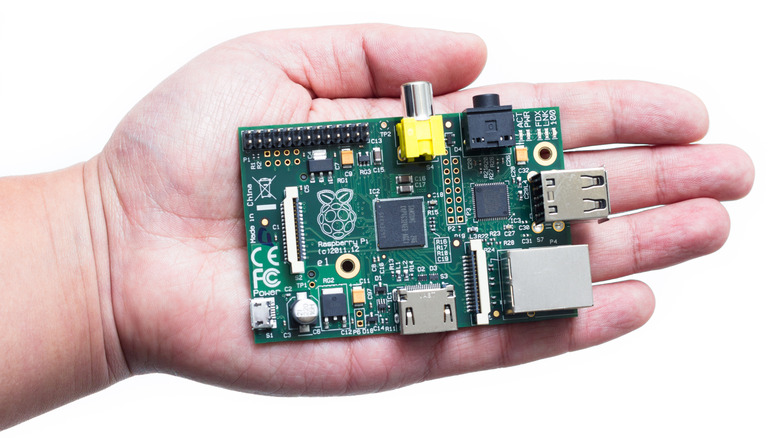
The next question regarding longevity is how long the cards or card series are officially supported. Google's Chromebook devices, for example, receive ten years of update support before being discontinued. Some of the Raspberry Pi hardware comes with an obsolescence statement promising production until a specific date. Meanwhile, Raspberry Pi OS, the optional operating system for Pi devices, continues to support even older models. There are many clever ways to reuse old Raspberry Pi chipsets, as well, allowing you to squeeze a little extra life out of the aging models.
As for production, each series generally stays in production for a while. The Compute Module 1 (CM1) was first manufactured in April 2014 and discontinued in January 2026, lasting about 11 years, 9 months. The 2 Model B was manufactured in February 2015 and discontinued in January 2026, or about 10 years and 11 months. Of course, not all production runs last that long. The 1 Model B was first introduced in March 2012 and discontinued in July 2014, which is a little over two years. There are also many available with production runs that end in the future, like the 4 Model B and Compute Module 4, both of which end production in 7 years. The promising thing to note here is they're not being phased out quickly due to hardware upgrades in new models, giving Raspberry Pi computers, in general, a long, reliable lifecycle across different iterations.