

Honor MagicPad4 Review: The Super-Thin Android Tablet For Productivity
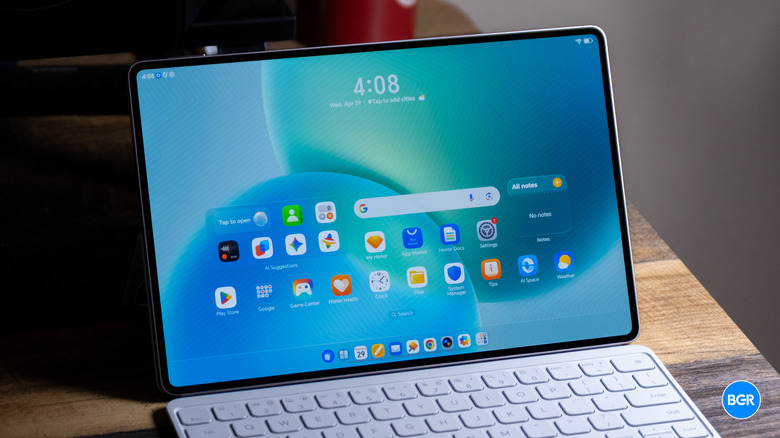
Apple paved the way for ultra-thin tablets with the iPad Pro a few years ago, and now other companies are starting to follow suit. The latest of those is Honor with the new Honor MagicPad4. The new tablet has an incredibly thin build, a high-end chipset, and an OLED screen on the front.
Those things alone aren't necessarily enough to make for a great tablet. Android tablets are notorious for lacking software refinement, and while some of this has gotten better over the past few years, you'd be hard pressed to argue that Android is as good on tablets as iPadOS. That's not to mention the fact that Apple has started shipping its laptop-class chips in its higher-end tablets, making them perform better than ever before.
Does Honor do enough with the Honor MagicPad4 to get around these issues, or should you consider a different Android tablet instead? I've been using the Honor MagicPad4 to find out.
Design
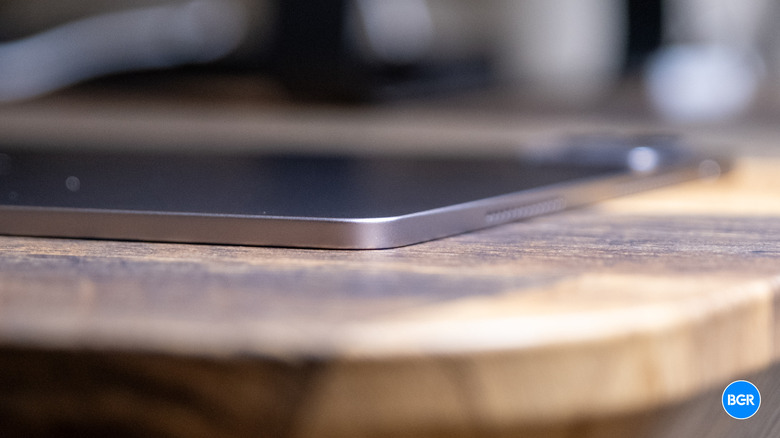
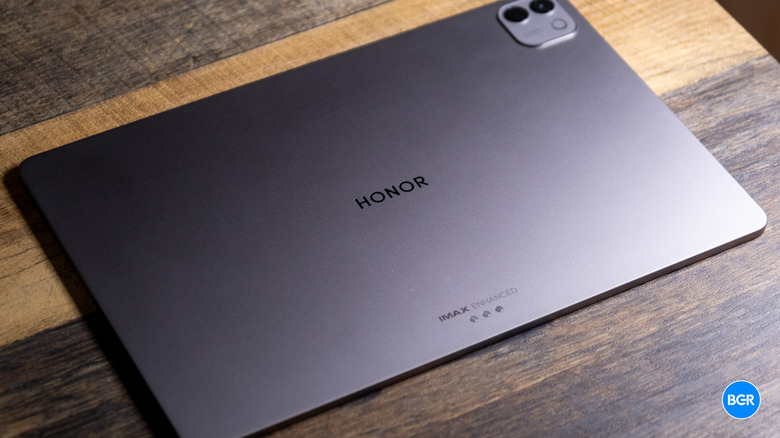
At 4.8mm thick (not counting the camera bump) and 450g, Honor is calling this the world's thinnest Android tablet, and that tracks. It's very thin — thinner than the iPad Pro, which is saying something. I use an iPad Pro regularly, and the ultra-thin form factor wasn't quite as mind-blowing for me as it might be for someone coming from a thicker device — but that's just because of the novelty of it. It's still very impressive to hold.
The build quality is good too. Overall, the MagicPad4 feels refined and premium. It has flat edges, like pretty much every new phone and tablet these days, and it comes in a few different metallic finishes. I have the gray model, and it looks nice.
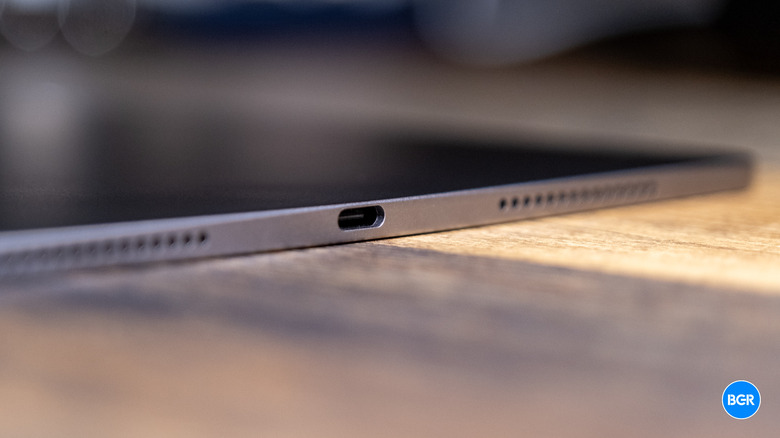
The buttons and ports are more or less where you would expect them to be. There's a power button on the left side (or top, depending on orientation), USB-C port on the bottom (or right) edge, and a front-facing camera positioned along the top when you're holding it in landscape. That's the ideal placement.
The bezels are very thin too, and they look great. But there's a practical trade-off — super-thin bezels on a tablet make it hard to hold the device without accidentally triggering touch inputs on the screen. It's not a dealbreaker, but it's a recurring minor annoyance, and you'll have to get used to holding it in a way that you don't unintentionally tap the screen.
Overall, design is a clear win here. It's portable, it's premium, and it feels great. Whether anyone actually needs a tablet this thin is another conversation, but Honor has proven it can build one.
Display
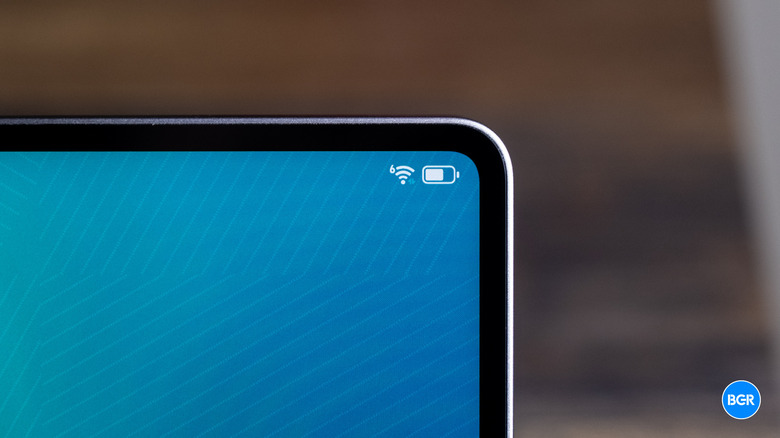
The MagicPad4 features a 12.3-inch OLED panel with a 3:2 aspect ratio, running at 3000 × 1920 resolution (roughly 3K) with 290 PPI. That's a shift from the MagicPad 3, which had a larger 13.3-inch LCD screen. The size reduction might sound like a downgrade on paper, but the jump from LCD to OLED more than makes up for it — you're getting dramatically better contrast, deeper blacks, and richer colors.
Peak brightness hits 2,400 nits in HDR, which is easily bright enough for any indoor scenario and handles direct sunlight reasonably well, even if it doesn't quite match the peak figures on Honor's latest phones (though that's an unfairly high bar to set).
The 165Hz refresh rate is higher than what most competing tablets offer, and while I'd argue the difference between 120Hz and 165Hz is subtle enough that most people won't notice it day to day, scrolling and animations do feel very smooth. It's probably unnecessary for productivity work, but for gaming or simply enjoying a buttery interface, it's a nice bonus. In daily use, the display looks excellent. Colors are vibrant, text looks crisp, and it hits the marks you want from a premium tablet.
Keyboard
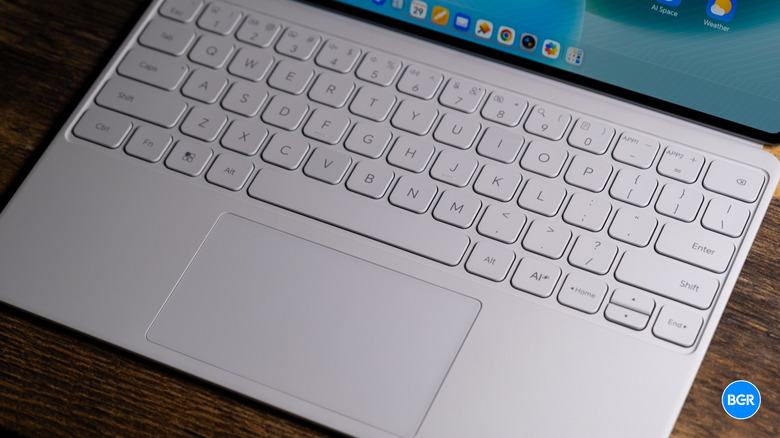
Honor sells a dedicated smart keyboard with an integrated trackpad as a separate purchase, and it's a solid if slightly imperfect companion to the MagicPad4. The keys offer good travel despite the thin profile, and typing for extended periods feels comfortable and responsive. The trackpad works well too — it's generally smooth and does the job.
The stand mechanism is highly adjustable, and it's sturdy enough. That said, the hinge feels a little fragile in practice. The way the keyboard folds and attaches to the tablet seems like something that could wear over time. It's not flimsy, exactly, but it doesn't inspire the same confidence as, say, Apple's Magic Keyboard.
That said, if you're planning to use the MagicPad4 as a laptop replacement for lighter work, the keyboard gets the job done. It won't replace a proper laptop keyboard for typists, but for its intended purpose, it's more than adequate.
Performance
The Honor MagicPad4 runs on Qualcomm's Snapdragon 8 Gen 5 built on a 3nm process, paired with either 12GB or 16GB of RAM, depending on configuration. This isn't the Snapdragon 8 Gen 5 Elite variant, so you're not getting the absolute best silicon Qualcomm makes. But in practice, the performance difference is small for productivity workloads.
Day to day, the MagicPad4 handled everything I threw at it without breaking a sweat. Heavy multitasking across numerous apps, split-screen productivity, and media playback all run smoothly with no stutters or freezes. The tablet also handled sustained workflow pretty easily without getting overly hot, which is impressive given how thin the build is.
All that said, the iPad Pro with Apple's M-series chip still outperforms the MagicPad4 in pretty much every measurable way — though it's also a fair bit more expensive. For the vast majority of users, the MagicPad4 still offers more than enough when it comes to performance.
Battery and charging
The MagicPad4 boasts a 10,100mAh silicon-carbon battery, which delivers solid but not groundbreaking endurance. In my experience, it'll comfortably get most productivity users through a full workday of mixed use. If you're a power user, you might find yourself reaching for the charger by late afternoon. This is almost certainly a direct consequence of that ultra-thin 4.8mm design.
When you do need to charge, 66W Honor SuperCharge support via USB-C fills the battery reasonably quickly. It's faster than what many competing tablets offer, though it doesn't hit the blistering speeds Honor and others achieve on some of their phones. For a tablet you'll typically charge overnight or during lunch, the speed is more than adequate.
Camera
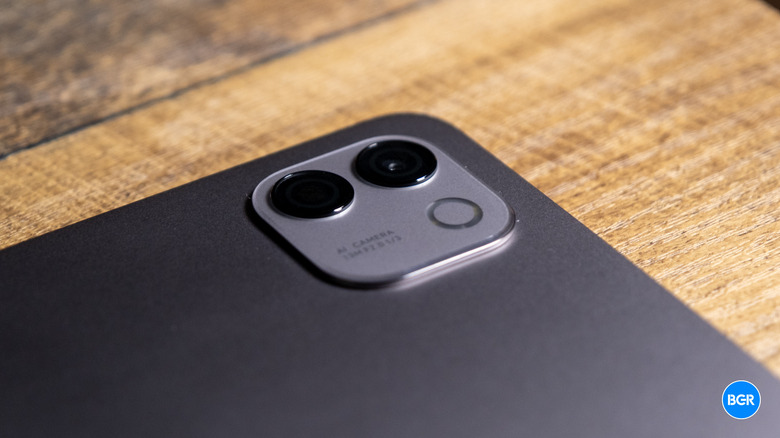
The MagicPad4 comes with a 13-megapixel rear camera, alongside a 9-megapixel fixed-focus front camera at f/2.2. Let's be honest — tablet cameras exist primarily for video calls and the occasional document scan, and that's about it. Nobody is choosing a tablet based on its camera system, and nobody should be.
Given that, the cameras here are fine. The rear camera produces images that are sharp enough but lean toward the dull side for color and dynamic range — perfectly serviceable for scanning whiteboards or snapping reference photos, but you won't be replacing your phone for anything creative. The front camera, benefiting from that smart top-edge placement in landscape mode, works well enough for video calls with decent quality and exposure.
Software
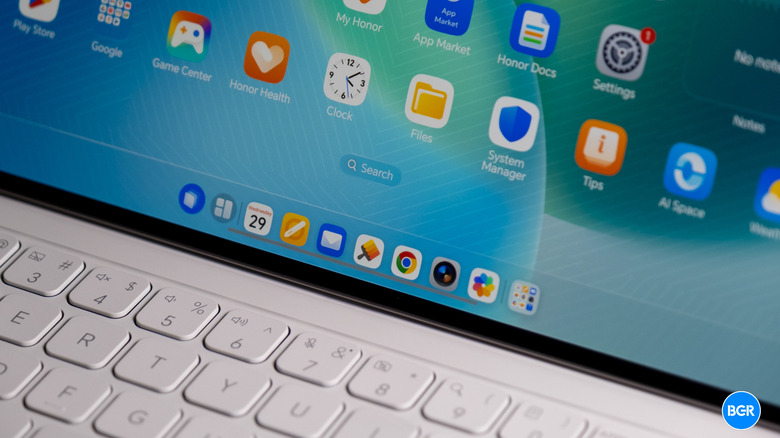
The MagicPad4 ships with MagicOS 10 based on Android 16, and Honor has committed to six years of OS and security updates — something that puts it in line with the industry's best update policies. More importantly, the actual software experience on this tablet is genuinely good, which isn't something you can always say about Android on bigger screens.
The standout here is PC Mode, which gives the interface a desktop-like environment with a taskbar, floating windows, mouse support, and more. It works pretty well, especially once you get used to the layout and how the multitasking system works. The tablet supports up to 20 simultaneously active windows, giving you real flexibility in organizing your workspace.
Honor Connect deserves a mention too — it enables cross-device connectivity and even lets the tablet function as an extended display for a Mac, which is a clever way to appeal to users who aren't fully locked into one ecosystem. It's similar to the feature on iPad but, you know, not on an iPad.
Honor has adopted a Liquid Glass-style design language that looks pretty similar to Apple's implementation. It looks decent, and it's quite customizable — you can tweak the appearance to your preferences.
Conclusions
The Honor MagicPad4 is a great tablet. It's beautifully built, impressively thin, and packs enough power to handle anything a reasonable user would throw at it. The OLED display is gorgeous, the software experience is surprisingly competent, and the keyboard accessory makes it a viable productivity machine. It can't quite compete with the iPad Pro though — Apple's combination of superior silicon, a better tablet OS, and a deeper app ecosystem still puts it in a different league. But if you're committed to Android or simply want a premium tablet that isn't an iPad, the MagicPad4 is one of the best options you can buy today.
The competition
The MagicPad4's core differentiators come down to its extreme 4.8mm thinness, the 165Hz OLED display, a comprehensive and actually functional PC Mode, and AI tools focused on genuine productivity scenarios like meetings rather than empty gimmicks. Against Samsung's Galaxy Tab S series, I find the MagicPad4 more compelling overall. It's better designed, performs comparably or better, and offers a more thoughtful software experience for productivity users.
That said, if raw ecosystem support and app optimization are what matter most to you, the iPad Pro remains king. But taken as a complete package, the Honor MagicPad4 punches well above its brand recognition in Western markets.
Should I buy the Honor MagicPad4?
Yes, if you're looking for a well-built, premium Android tablet.