

Do You Really Own The Books On Your Kindle?
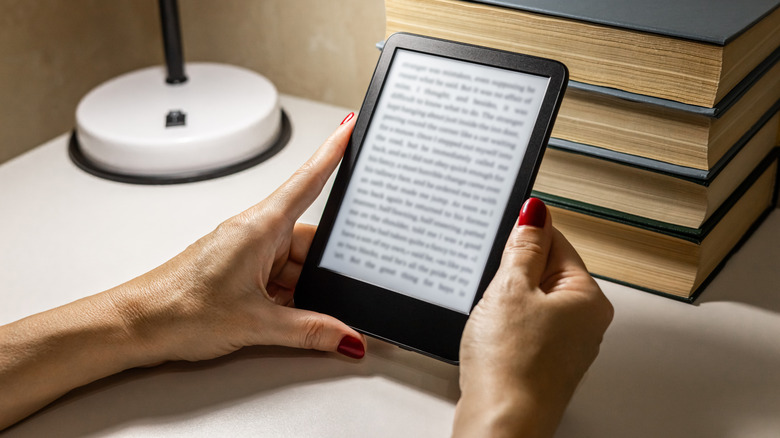
No, you don't truly own books that you may have purchased on your Kindle. That's because digital files work differently from physical copies, meaning that when you purchase them from Amazon, you only get a license. You don't receive a copy of the file that you can fully control, but this distinction isn't only for Kindle books, and also applies across most digital media today.
When you buy a physical copy of a book, you can lend it to a friend or sell it. You can also store it on a bookshelf for decades without asking for permission. However, a Kindle purchase works differently, and your access to those copies depends on Amazon keeping your account in good standing, honoring its deals with publishers, and maintaining the infrastructure so that you can access the book from your device.
This means that if any of those conditions are removed, your library becomes harder to reach, even if you paid to have access to those books. Additionally, that gap was reinforced when Amazon removed the "Download & Transfer via USB" feature from Kindle. That tool let users back up Kindle books and have control over the files.
No, you do not fully own books on Kindle
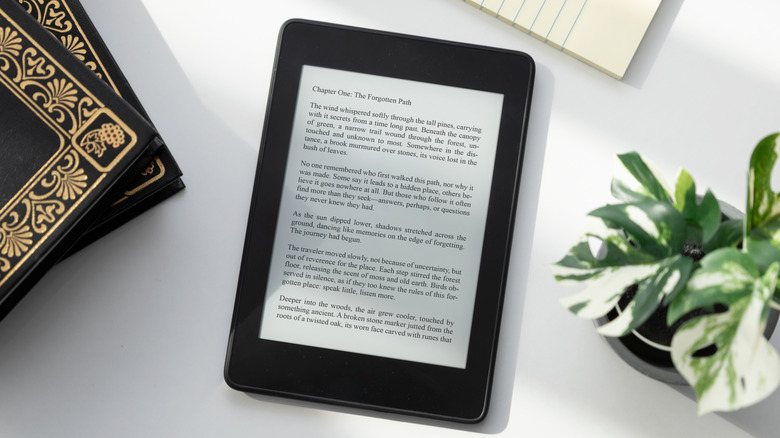
It should be noted that other companies employ this approach when selling their digital products, not just Amazon. For instance, PC gamers who utilize Steam are probably aware of the fact that the company employs this very system. As was highlighted by Valve in October 2024, they decided to include this information on the checkout page, which explicitly states that one doesn't buy the product but gets a license to use it.
That kind of distinction matters because a license is conditional, which means a platform can revoke it if anything happens. So you need to follow the terms of service to avoid getting banned, but also worry about a publisher pulling a title. Kindle operates in that way, and Amazon has removed purchased books from users' devices without consent. One example involved George Orwell titles, remotely deleted from Kindles because Amazon didn't have the rights to sell them.
Per copyright law in the U.S., if you buy a paperback book, you have the right to resell, donate, or lend it to anyone without needing to ask permission. With Kindle books and other digital items, you don't have the same freedom. This means that you can't transfer them freely, resell them, or even move those copies to a different Kindle alternative without running into Amazon's DRM.
Amazon's DRM change makes Kindle ownership more complicated
In 2025, Amazon removed the "Download and Transfer via USB" option from its reading platform. That feature lets users download purchased books on Kindle to a computer and manually transfer them to another device. Additionally, before Wi-Fi was introduced in those gadgets, that was the main way to load content into your device. Many users also used this option to have a backup of their libraries in local copies, but that isn't possible anymore.
Part of what makes that loss significant is how Kindle's DRM works. Every book you purchase is encrypted and locked to devices registered under your Amazon account. This means you can't open the same file on another Kindle alternative outside Amazon's ecosystem. So even if you saved a local copy before the USB option was removed, that file would still be unreadable anywhere else other than Kindle apps or devices.
In the end, the answer to whether you own books on Kindle or not depends on what owning actually means to you. If it means having regular access to a title through your account, then Kindle purchases work like ownership in most situations. But if it means having full control of the file, those digital books never worked like a physical copy, something physical book lovers who switched to Kindle have had to come to terms with.