

Samsung's Next Laptop Lineup Might Be Abandoning Windows 11
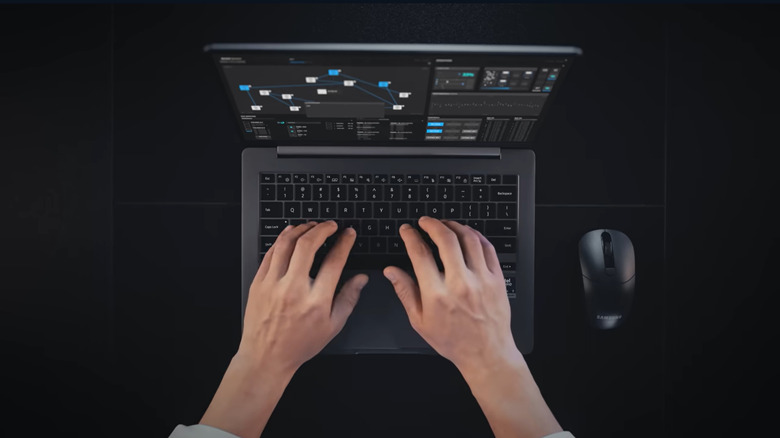
Samsung users are no strangers to toggling between operating systems. As it stands, the company's products, which include laptops, smartphones, televisions, and smartwatches, run on a range of operating systems, including ChromeOS, Tizen, Windows, and Android. Its laptops, however, have historically offered a more limited range of OS options. The popular Galaxy Book line, for instance, runs exclusively on Windows, while the company's Chromebooks depend on Google's ChromeOS. However, fans of the company's laptops are in for a surprise, as the South Korean tech giant may be shaking up its product line.
According to a report from SamMobile, Samsung is set to shake up its popular Galaxy Book laptop lineup. The shift would see Samsung swap Windows 11 for Google's next Android-based operating system on some models. According to SamMobile, these laptops "will run Android 17-based One UI 9 software." The report may come as a slight surprise to some Android fans, as Android 17 is currently only available in beta on select devices. However, it is uncertain whether Samsung plans to ditch its partnership with Windows, or if it is merely expanding its operating system offerings. To date, no official announcement has confirmed the change.
The leak comes as Google pushes toward its much-anticipated release of Aluminum OS, which looks to combine both Android and ChromeOS for phones, laptops, and tablets alike. However, Android's next big evolution continues to see delays. Whether Samsung's timeline corresponds with Google's much anticipated Aluminum release, or if the new line of Galaxy Books will predate the operating system's rollout, remains to be seen.
How Android changes the Galaxy Book
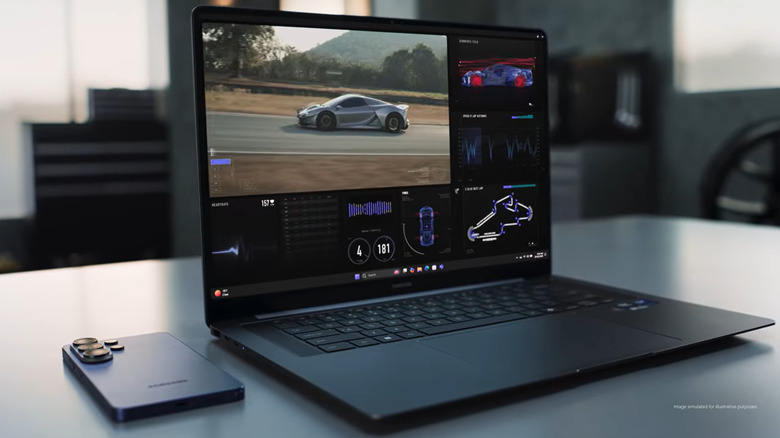
Currently, Samsung offers two broad lines of laptops, each deploying a different operating system. The company's Windows laptops, those in the Galaxy Book series, offer top-end performance at a premium price. Although new models cost well over $1,000, the Galaxy Book is one of the best premium laptops you can buy in 2026. Its Galaxy Chromebook series, meanwhile, is a strong budget option. A lightweight laptop that provides a strong cloud-first experience via ChromeOS, its speed and battery life are ideal for online browsing and basic tasks.
Not much is known about Samsung's next Galaxy Book line. According to SamMobile's reporting, the company is developing low, mid, and high end models of its upcoming Galaxy Books. As SamMobile suggests, these will run on One UI 9 built atop Google's Android 17. Importantly, Samsung's phones, watches, televisions, and tablets already run the One UI software, causing some to speculate that the new Galaxy Book will offer improved integration across Samsung's product lines. Predictably, these laptops will reportedly include a host of Galaxy AI features, similar to what is currently seen across Samsung's other products. Separately, SamMobile reports that Android-powered Galaxy Book models might feature an improved version of Samsung DeX to boost integration with Galaxy phones and tablets that include the feature.
A great unknown
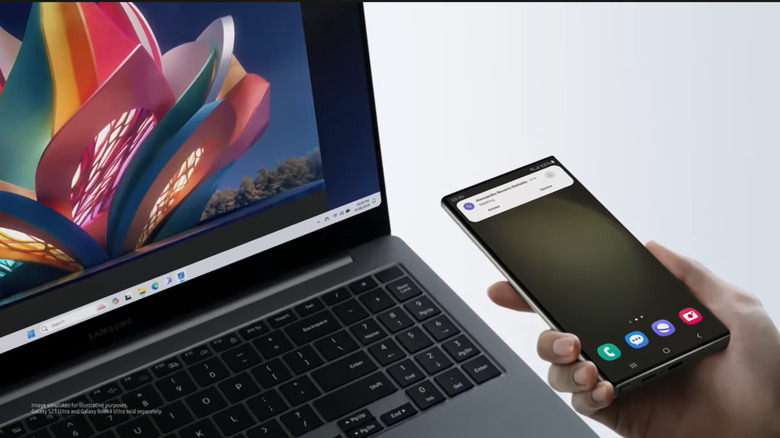
As it stands, Samsung's next line of laptops is more defined by its unknowns than its features. In terms of hardware, SamMobile's report only states that the flagship model "is said to feature a very sleek design." Importantly, even this small detail is couched with uncertainty, as the outlet includes the caveat that the "popularity" of Apple's MacBook Neo, a mass-market budget laptop that looks to launch Mac beyond the premium laptop market, "could adjust [Samsung's] design priorities."
To date, no details are known about the laptop's potential launch. While the report speculates that Samsung could pair its next laptop line with Google's swiftly approaching Android 17 reveal, predicted to occur at the company's May 2026 Google I/O developer conference, no company announcements confirm that Samsung's Android 17 laptop will be released this year. Furthermore, it's still possible that Samsung could continue releasing Windows laptops, potentially deploying the powerful Window-on-ARM system alongside its Android offering. How Google's development of Aluminum OS might affect these plans remains to be seen.
The ramifications of Samsung potentially expanding its longstanding partnership with Google could be a hotly debated topic over the coming months. Of course, bringing a unified interface, shared app ecosystem, and consistent AI features could provide deeper integration possibilities across the two tech giants' collaborative products. However, as it stands, any projections concerning the potential new laptop are merely speculative until more details are known. Whether those details come in May is anyone's guess.