

Is Your Phone's Blue Light Really Ruining Your Sleep? Here's What Experts Say
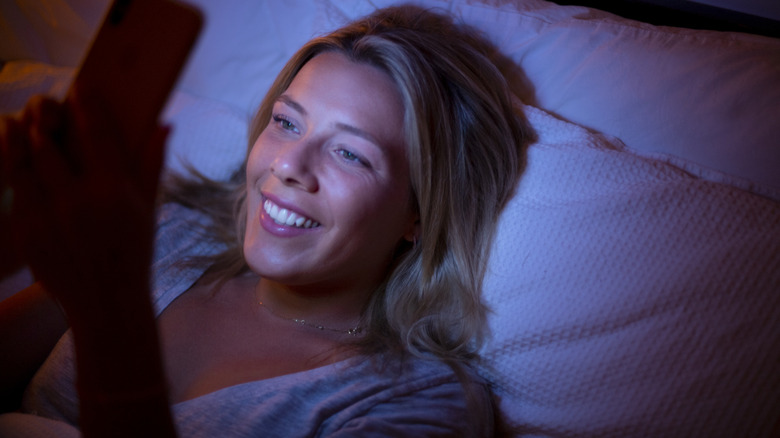
The word is out: Blue light is bad for you. Or is it? Experts will tell you that blue light at night can reduce your sleep quality. It's partly why the blue-light-blocking glasses industry could reach $5 billion in the next decade. But experts also say blue light is good for you and that your phone may be keeping you up at night for reasons beyond light exposure.
The sun is a primary source of blue light. Humans are programmed to wake up when blue-rich daylight reaches their eyes. Scientists at Oxford say light entering the eye helps sync the body's internal clock with the outside light-dark cycle of day and night. Blue light at night can confuse our systems, affecting circadian rhythms that regulate appetite, hormone release, and sleep. But it's not the only light causing problems. Melanopsin, the eye protein that helps tell the brain whether it's day or night, responds most strongly to blue light but reacts to other kinds of light too.
So, blaming your phone's blue light for poor sleep is an oversimplification. A Portuguese study found blue-light exposure from common digital devices was less than what people get from natural daylight, which makes timing and bedtime habits more important than blue light exposure alone. Device brightness, time of day, usage duration, and mental stimulation all affect sleep. There are steps you can take to improve how well you sleep – even if you refuse to give up your nightly session of that iPhone word game that's harder than Wordle.
How to reduce blue light and improve sleep quality
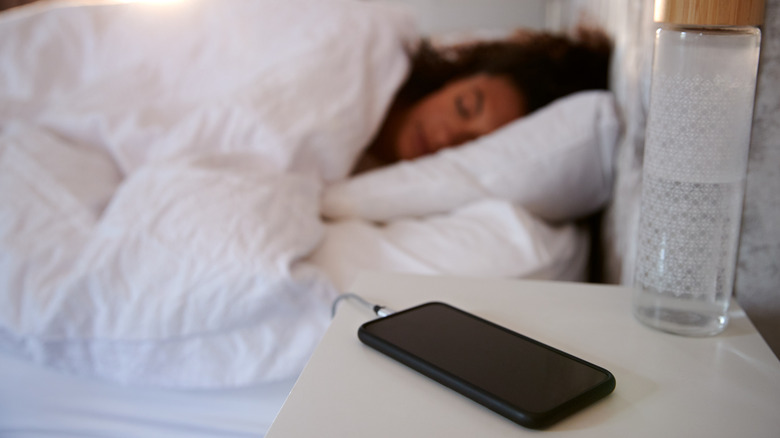
Reducing blue light while in bed can help you rest, but the impact varies based on how you do so. One comparative study found both your device's night mode and blue-light glasses reduce short-wavelength light exposure, but night mode was more effective. Yet, reducing blue light alone isn't the only way to improve sleep quality. A Saudi Arabian medical study found that general device usage before closing your eyes can decrease sleep quality.
In a University of Washington study, a comparison of people who avoided screens before bed with nightly screen users showed that screen users had a 33% higher rate of poor sleep quality. You already know the basics of how to get a better night's sleep, like hiding your phone in another room and cutting yourself off from the world at night, but you should also consider putting your phone down at least a half hour before going to sleep.
University of Southern Mississippi researchers say to get plenty of bright light during the day to regulate circadian rhythms and that morning sun can reinforce your internal clock. Meanwhile, a University of Texas study recommends a pre-bedtime shower. It'll raise your body temperature for a short time. Afterward, your body cools back down, signaling to the brain that it's time to sleep.