

Do You Really Need To Unplug Your Electronics During A Thunderstorm?
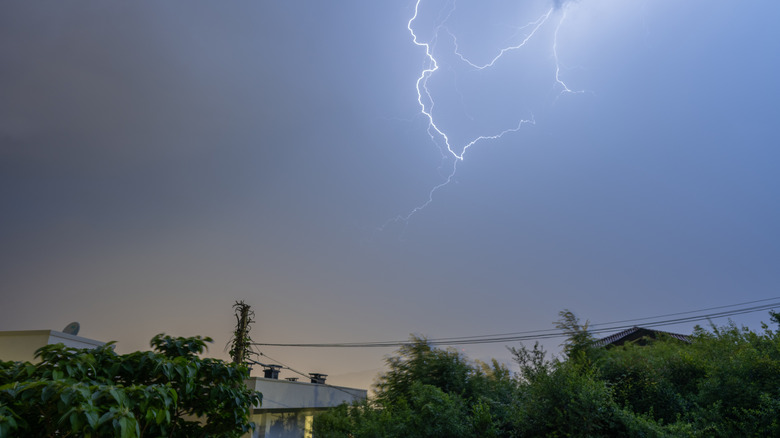
It seems we're all one bad lightning strike away from losing our most beloved electronics. It's an age-old fear that the right strike will damage your gear. But is that really true? According to the National Weather Service, yes. Lightning strikes can damage electronics through severe power surges, even when the strike is some distance from a building. What's more, the NWS clarifies "a typical surge protector will do little to protect the device (or the person using it) if lightning should strike." Put simply, you should unplug electronics before a storm and keep away from any that are plugged in.
A power surge is a sudden spike in voltage above. For example, a standard U.S. electrical outlet supplies 120 volts, and a surge would exceed that, shooting past 169 volts. Surges can generate heat, frying critical parts or melting circuit boards, and can also damage internal components. Lightning strikes aren't their only source, as surges can also occur during power outages due to grid fluctuations or failures, faulty wiring, or when high-powered electrical devices power cycle.
Most electronics cannot handle repeated spikes over time or a sudden one. In fact, surge protectors, power strips and even power generators are only rated for so much. That's why there are several devices you should never plug into a generator, as they require too much power and may even damage the system. Ideally, you'd unplug all electronics before a storm to protect them. Realistically, you can't always do that, nor would you want to, so it's best to unplug the most important devices, like a desktop PC or a power strip connecting your entire entertainment system.
It's not 100% safe indoors during thunderstorms
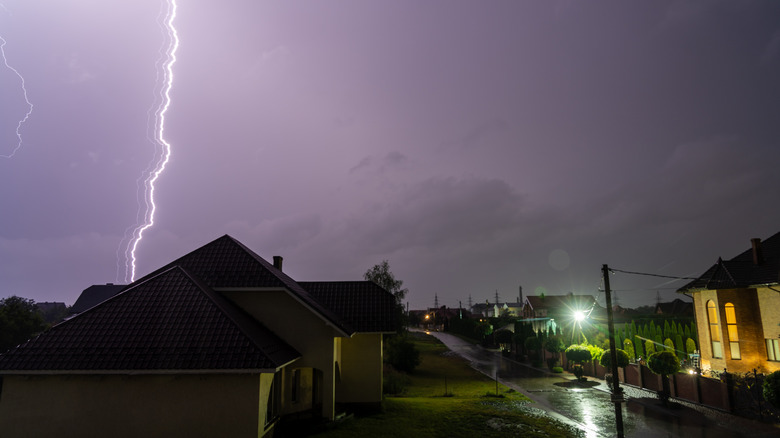
There are a lot of lightning myths still passed around, but one of the most insidious myths is that you cannot be struck indoors or that you're 100% safe indoors during a thunderstorm. You are certainly much safer than being out in the open, yes, but it can still happen. According to the CDC, about one-third of lightning injuries occur inside. Lightning can actually strike up to 15 miles away, so you can be struck and not even see the storm coming. It doesn't necessarily enter a home the way you might think, either. Striking at the roof or top floors and working its way down somehow. Lightning can enter through wires, metal conduits, pipes, windows, cracks, or openings, including windows and doors. Concrete can also be a conductor at times because it's held in place by metal repair embedded inside.
Ultimately, you are safe inside a dwelling or residence with the right precautions. One of those precautions is unplugging your electronics and keeping away from them throughout the storm, and from anything conductive. Of course, unplugging the devices you do use is safer for them as well. Power surges or lightning damage also void a warranty in most cases or aren't covered outright. Laptops, smartphones and insurance plans for those are a good example. But more expensive devices, such as appliances and HVAC systems, may be affected, too.
How can you protect electronics better?
If your home is filled with electronics and gadgets, like mine, it's not feasible or convenient to unplug absolutely everything before a storm. Oklahoma might be the new lightning capital, but we still get gnarly storms down here in Florida. The odds of me unplugging everything, every time, on time, are slim to none.
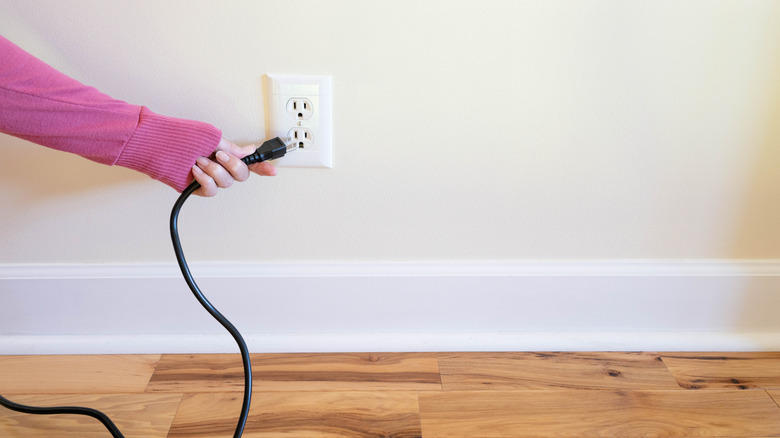
The best way to do it, if you know a storm is coming, is to unplug your most important devices, including power strips. For you, that might be a family computer, your main living room setup (like the TV and home theater), appliances you use infrequently (like an air fryer), and so on. Power strips and surge protectors are always a great idea, but not all of them are created equal. Some power strips have a reset button, and it plays into how they work to protect devices. Replace them if there is a surge. Keep your smaller devices charged and have a power backup, like a power station, that can provide extra power when you need it.
If you have the budget, you can spring for a whole-home surge protector, installed by professionals, at your home's electrical service panel. They introduce a variety of protections to keep everything on your home's local grid safe, but they're also quite expensive, with a high upfront cost. If you work out the potential savings from a direct lightning strike, that might work itself out. Before you install one, your home must have proper electrical grounding, so if your residence is old and not up to code, more expenses and work may be required to get everything ready.