

Dreame's AI Tracking Tech Raises Major Questions About The Future Of Privacy

At its global launch event in San Francisco on April 27, 2026, Dreame unveiled a suite of AI wearables to track everything from a user's pulse to their dinner plate. These devices, including smart rings and a first-of-its-kind AI pendant, aim to create a proactive lifestyle where technology anticipates one's biological needs. While the idea of a hands-free, 24/7 nutritionist or an always-on health monitor is appealing, these gadgets generate countless data points that add up to a detailed breakdown about your habits and your body. While there are plenty of ways to keep your data private and off the internet, best practices start with users.
To be fair to Dreame, it has emphasized local storage and on-board processing of data, but this isn't a perfect shield to protect users. A bad actor could potentially obtain a user's private information by gaining physical access to the aforementioned hardware or by exploiting a local software vulnerability. If a thief steals a user's smartphone or ring, for example, they could access historical biometric information stored on it before a user has the chance to wipe it remotely.
If users don't use strong authentication methods, an attacker can gain access to a local network and potentially intercept data during the syncing process between a smartphone and a wearable. Local storage makes this harder by moving sensitive data from a large cloud database to individual devices, but it requires users to be the primary guardians of their own hardware security.
How Dreame wearables log biological identity
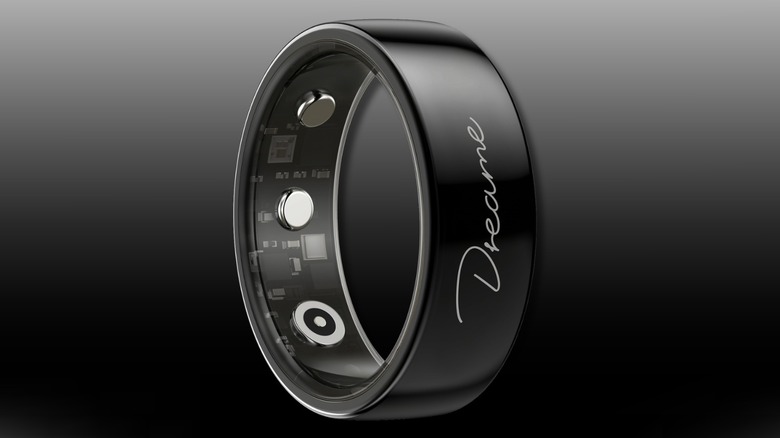
Dreame aims to enter the wearables market with hardware that disappears into a users wardrobe while capturing biological data. The Dreame AI Smart Ring comes in three models, including versions for NFC, vibration alerts, and health tracking. The health model provides ECG-based monitoring for heart risks and tracks a user's heart rate, blood oxygen, and body temperature. Pairing a ring to a jewelry box charging case gives users 150 days of total uptime, or users can opt for the Dreame VitalGuard 1 that puts all this functionality into a modular watch buckle that fits existing mechanical watch straps.
The most intimate device in the lineup is the Dreame AI Pendant, which hangs around a user's neck to perform bite-size active dietary sensing. It uses a built-in camera and an AI inference engine to identify specific ingredients and calculate the volume of a user's meal using mono depth estimation. It switches to high-frequency recording the moment it detects a user is eating, meaning no more calorie logs.
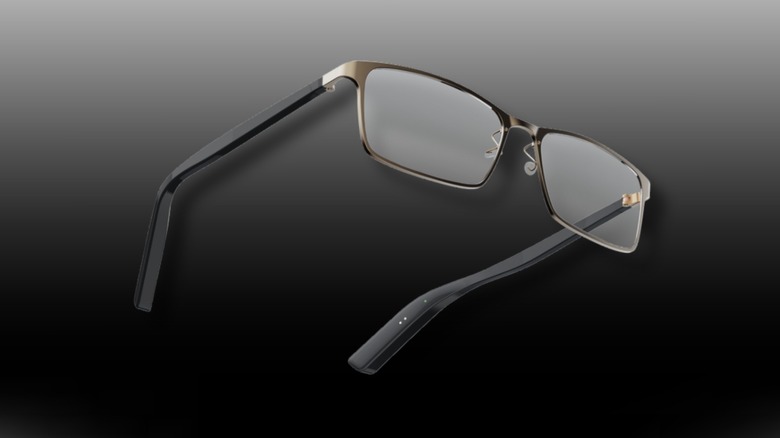
Finally, we have the Moonix AI Glasses, weighing in at only 16.9 grams and acting as a personal AI gateway through seamless recording and AI generation. All of these wearable devices result in users contributing to a global footprint of trillions of data points every year, which is where the questions start to pile up.
Does local processing mitigate risk?
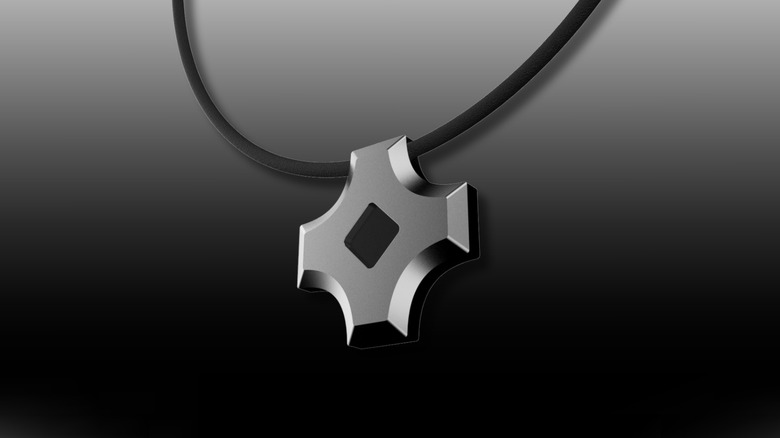
It's a big privacy burden to have a camera hanging on a user's chest or hidden in smartglasses, much less putting a sensor on a finger. To address this, Dreame uses on-device AI processing throughout its new lineup. Rather than sending raw video and biometric data to a central cloud server, the AI pendant, for example, handles its complex food reconstruction and ingredient modeling locally on the pendant's hardware. This design choice keeps digital records of social interactions and food habits off corporate servers where they would be more vulnerable to cyber attacks.
The pendant also uses federated learning to improve its health suggestions without compromising a user's identity. This allows hardware to learn from one's specific health patterns, such as heart rate variability and sleep trends, without uploading said information to a cloud server.
While Dreame maintains a strategic partnership with Google Cloud to run Google Gemini, this safeguard acts as a filter for a user's most sensitive information. It attempts to give users the benefit of advanced health monitoring without the typical surveillance cost found in the tech industry at large.
Best privacy practices
Despite Dreame's local safeguards, it's not invulnerable. Users must remain vigilant about the data their wearables collect. Research from the National Library of Medicine notes that health biodata is a significantly high-value proposition amongst bad actors on dark web marketplaces. A single healthcare record can fetch up to $250, which is significantly more than the $5.40 value assigned to a payment card. When using discreet hardware like the Moonix glasses, users are creating a high-value target for identity theft and biometric profiling.
To stay safe, users should go beyond the default settings provided by manufacturers. They can start by auditing their privacy-protective default settings to make sure features such as non-essential data collection and targeted advertising are disabled. There's also plenty of tech you can buy to protect your privacy.
Enabling multi-factor authentication is also a must for any account that syncs with Dreame (and other manufacturer) hardware to prevent unauthorized access. It's wise for users to also request annual personal data reports via their rights under GDPR or CCPA law, making sure to request it in a structured format such as JSON or CSV. Reviewing this information allows users to see exactly how much their devices know about their habits and movements. Also, be aware of AI-enabled web browsers and extensions, as they're often recording your data. There's no such thing as overkill when it comes to digital privacy, and it's something every user should be aware of when using any smart device or wearable hardware.