

4 Older iPods Still Worth Buying In 2026
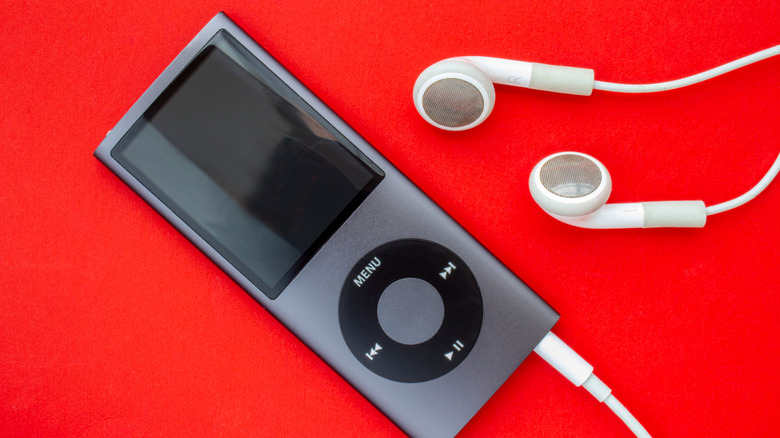
The Apple iPod is an iconic portable music player that helped to revolutionize the music industry, much like the CD player did before it. Apple discontinued the iPod line back in 2022, but over the past several years, the platform has seen a resurgence as Gen Z has started flocking to iPods.
In a world of digital streaming via apps like Spotify, with its uncomfortable truths around artist treatment and content ownership, the iPod is rising from the ashes like a phoenix. Many look at iPods as a sign of resistance against not owning albums anymore, being fed music by an algorithm, and the erosion of a distraction-free listening experience. But with so many iPod models having been released over the years, it's hard to know which ones are best if you are thinking about buying one in 2026.
Some iPods are better than others for a number of reasons. You need to ask yourself what you want from your iPod before picking one up. You might want a color screen, you may need touch capabilities, the ability to play games, and an OS that is easy to work with in 2026. Most of all, you probably don't want to spend hundreds of dollars just to get back into the iPod world.
1st Generation iPod Shuffle
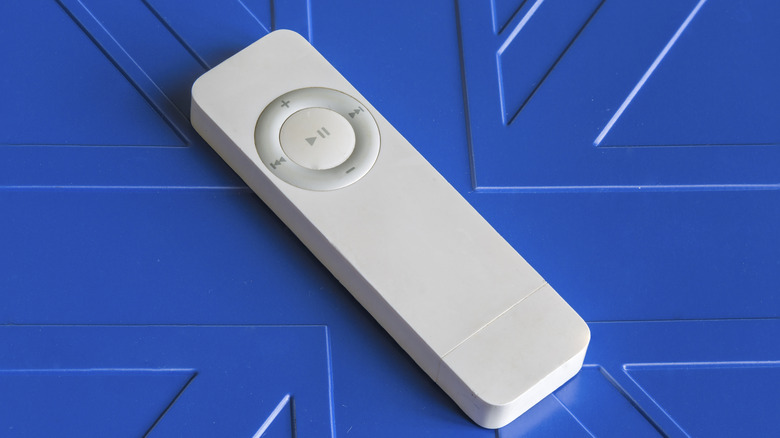
This one might be a little controversial, but it certainly captures the essence of a simpler time in digital music. That's because the iPod Shuffle line is unique in that it doesn't feature a screen at all. Instead, you navigate with only physical buttons, which helps to make the iPod Shuffle incredibly small and compact.
The iPod Shuffle was a great portable music player for those with an active lifestyle, and it remains so even today. You can easily take this iPod with you to the gym or on your next run. It's super light and fits almost anywhere, whether you use a clip, strap, pocket, or simply slide it into a sweatband. It's also extremely affordable — as of this writing, it's easy to find a unit online for around $20.
While 512 MB isn't a lot to work with (it's probably only good for a single playlist), it's enough to get you through a workout. And a 1 GB version also exists for those who need more music — just remember that it lacks a screen, so searching can be a pain. The built-in USB plug, the only iPod to ever feature this, also makes it a true all-in-one music device.
4th Generation iPod Nano
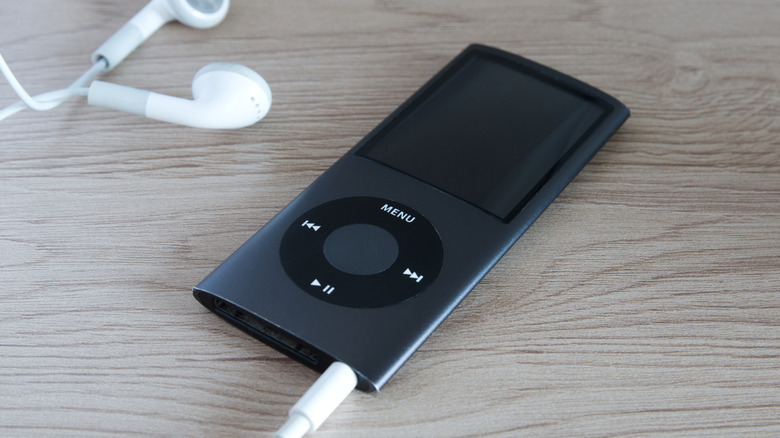
The iPod Nano was a popular version of the iPod that was incredibly small, slim, and featured a color screen. This allowed the Nano to not only play music, but also serve as a video player. The 4th Generation iPod Nano is a fan-favorite since it brought back the tall, slim design after Apple briefly experimented with a squat Nano, and because it still retains the classic Click Wheel.
What makes it a lot of fun, outside of the up to 16 GB of storage, is the curved vertical screen that can rotate to activate Apple's Cover Flow mode. It also features an accelerometer that can be used for shaking the device to trigger the shuffle feature. Voice recording is also possible if you have an Apple-compatible microphone.
The only thing this model lacks is the camera that the 5th Generation iPod Nano has, but that's probably not something you're interested in if you're primarily here for the music player. And considering the price gap between used 4th and 5th Generation iPod Nano models, sticking to the 4th Generation that sells for around $20 to $40 is a solid choice if looking to get back into the platform.
5th Generation iPod Touch
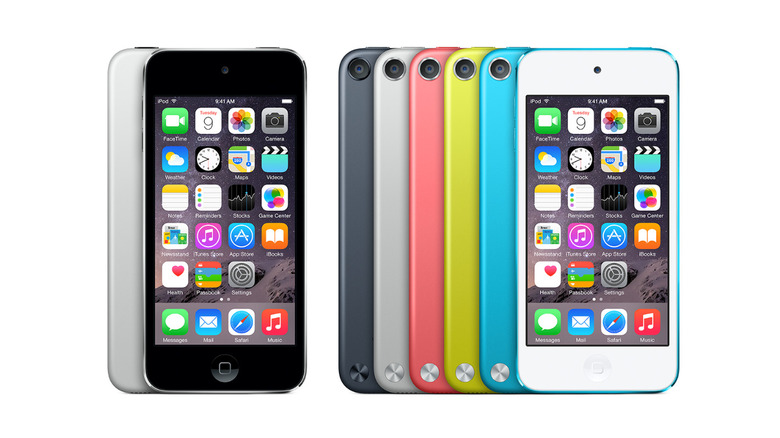
By the time the iPod Touch came around, Apple knew the writing was on the wall for the iPod brand. The Touch line was essentially an iPhone with all of the phone parts removed from the device. The iPhone was so popular that this move made a lot of sense at the time, as both a cost-cutting measure and a way to draw more people into the Apple ecosystem.
The 5th Generation iPod Touch was slimmer than previous models and featured a 4-inch screen with a 16:9 aspect ratio. It was also high-definition, helping to blend the world of music and video together. If you are looking for an iPod but want the ability to enjoy video content, the 5th Generation iPod Touch is a great iPod to pick up. It also supports Bluetooth, meaning modern headphones will work with this iPod.
Considering that the 5th Generation iPod Touch uses iOS, it's far more functional than a typical iPod and uses the more common Lightning plug. Prices for the 5th Generation iPod Touch vary, but you can pick one up from around $30 to $60. This is a pretty reasonable price for an iPod with tons of modern features.
Click Wheel iPod
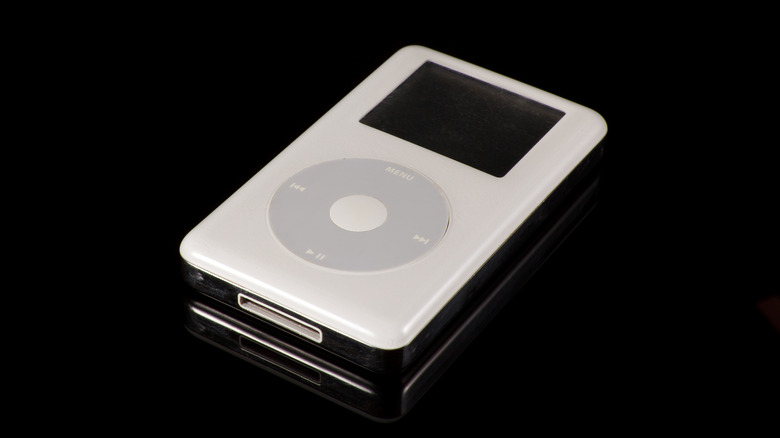
Released in 2004, the Click Wheel iPod was the first major step forward in the iPod line. It used the 30-pin Apple dock connector and supported USB for charging and data transfer, a cable type that Apple would rely on up until 2012 when it moved to the Lightning connector. It also featured the new Click Wheel control that was introduced on the iPod Mini.
When looking back at the iPod's heyday, the Click Wheel model is the one that is probably best remembered in the cultural zeitgeist. It retains the classic design of the original, while still looking modern and fairly sleek in 2026. It removes the extra command buttons to rely solely on the Click Wheel, a now iconic interface that would continue on the iPod until the Touch line.
One benefit of the popularity of the 4th Generation iPod is that it's still affordable today on the secondhand market. You can find a unit for around $50 to $90 on sites like eBay, but you may need to replace the battery due to its age. Thankfully, even in 2026 it's easy to purchase a new battery on sites like Amazon.
Methodology
When selecting the iPod models for this feature, we placed a strong focus on affordability. There are a number of iPods that regularly sell on the secondhand market for hundreds of dollars, but don't offer many features that make them better than more affordable ones. So to help ensure you get the best bang for your buck, we highlighted iPod models that are not only excellent music players, but are also incredibly affordable.
We looked to experts and the recommendations of iPod users to see what their favorite models were and which ones they are still using in 2026. Another consideration was the ease of finding replacement parts for various iPod models, as older devices will often need some level of servicing. Finally, we also relied on the experience and expertise of the writer of this article, who still actively uses several iPod models in their daily life.