

3 Nostalgic Tech Gadgets From The 2000s That Totally Vanished
Not all consumer tech innovations stand the test of time. To the contrary, there's an argument to be made that most new "state of the art" gadgets end up becoming obsolete and outdated fairly quickly as consumers decide which tools they will and won't use consistently. Thus, a brief review of gadgets from the past few years (and decades) reveals no shortage of consumer tech products that most people don't use anymore. Many such items from the 2000s that were introduced as "the next big thing" have become nothing more than artifacts of nostalgia.
The reasons these gadgets aren't around today can vary. Sometimes, a device's main selling point is the "cool factor" that wears off once its target audience realizes the gadget isn't actually that useful. Sometimes, a relatively small company introduces a product that gets overshadowed by a more robust alternative from a big-name competitor. Regardless of why these gadgets from the 2000s are no longer around, they'll always have some sort of place in our hearts, provided we're willing to look back with rose-colored glasses.
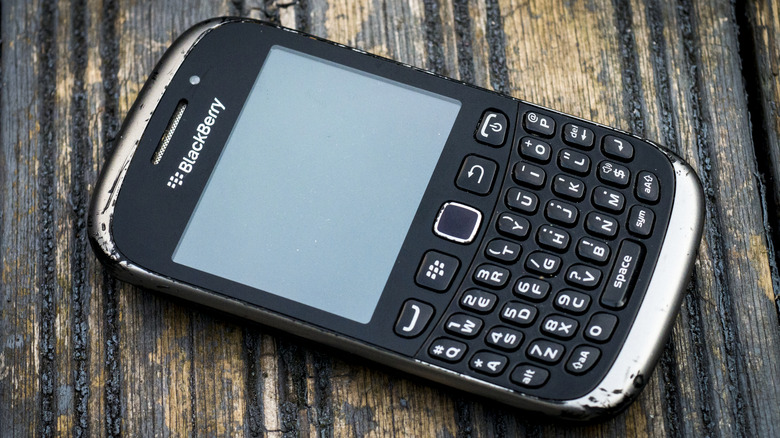
The BlackBerry walked so smartphones could run
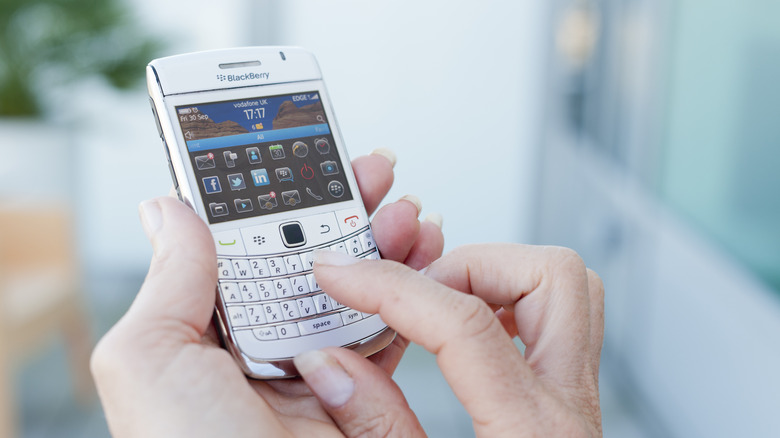
Most of us now have mini PCs in our pockets these days in the form of smartphones. As such, it's easy to forget how revolutionary this idea initially was. One of the first versions of such a device to achieve a significant degree of mainstream popularity was the BlackBerry.
The first BlackBerry phone dates back to 2002. Along with being able to make and receive calls, the device also provided wireless internet and email access. We might take these features for granted now, but at the time, they were novel enough to make the BlackBerry a hit among business professionals.
However, it wasn't long before major tech giants started releasing their own BlackBerry alternatives, threatening the device's supremacy. When BlackBerry released the BlackBerry Storm, a touchscreen version of the device, in November 2008, Apple had released the first iPhone the previous year and the first Android phone had debuted two months prior. Forced to compete with tech titans and facing negative reviews of the BlackBerry Storm, the company eventually shifted to becoming a provider of software and cybersecurity solutions. BlackBerry officially stopped supporting smartphones in 2022, two decades after the company's iconic first phone briefly convinced everyone it was the device of the future.
HitClips were only a hit for a minute
The BlackBerry is an example of a nostalgic 2000s gadget that served a real purpose and offered genuine value. It didn't fail because the overall idea was weak, but because factors like competition from peers ultimately prevented the device from thriving in the long run. However, there are also some popular consumer items from this era that seem somewhat pointless to begin with.
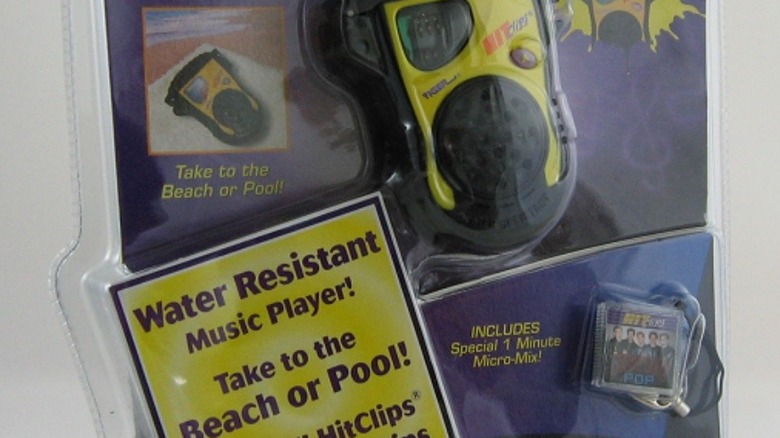
Consider the example of HitClips. Marketed primarily to kids and younger consumers, these devices (which came in a range of sizes, shapes, and styles) played music from small memory cards. Introduced in 1999 and available until 2003, on the one hand, this type of portable music player might seem like a valid alternative to a handheld CD player before iPods and similar devices took over.
That said, HitClips always involved certain critical limitations. For example, the HitClips player usually only had one button: Play. The device didn't even allow a user to control the volume. Perhaps more significantly, the name was certainly appropriate, given that the device only allowed users to play minute-long clips of popular songs.
On top of that, while HitClips were on the market, only a little more than 50 tracks were ever available. Sure, some cool middle school students might have been initially impressed by a pre-MP3 player device that offered one minute of smooth NSYNC vocals, but when they got a chance to truly hear the less-than-stellar audio quality, they likely realized this fad wasn't going to replace other music player devices anytime soon.
Nokia N-Gage tested the idea of combining a phone with a gaming device
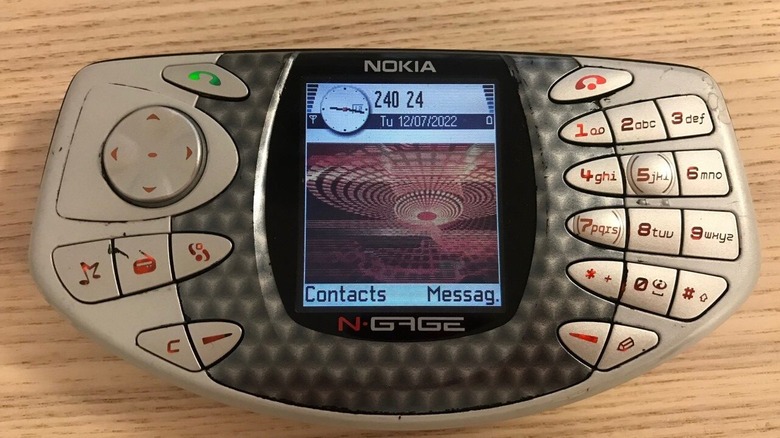
It's worth noting that portable gaming is still very much a thing. However, plenty of 2000s-era devices that once allowed gamers to enjoy their hobby on the go have long since been replaced by newer, arguably superior options. While some gamers may be questioning whether an option like a Steam Deck is still worth their money in 2026, others may just be glad they no longer have to cope with the likes of the Nokia N-Gage these days.
Released in 2003, the N-Gage was technically a mobile phone that also supported mobile gaming. However, due to various design factors, the device required users to remove the battery every time they wanted to insert a new game card. In other words, if you wanted to stop playing one game and start playing another on the N-Gage, you had to reboot the entire device. In addition, Nokia's team decided the buttons should be hard to depress to prevent butt-dialing. Unfortunately, this made gaming with the device a bit of a pain.
All that said, while it's easy to laugh at these nearly-forgotten consumer tech gadgets, it's also easy to ignore the fact that they often represented early forays into tech that would eventually become commonplace in more refined versions. This perspective can help tech enthusiasts predict which of today's "fads" might evolve into tomorrow's must-have devices. Right now, there are plenty of palm-sized gadgets available to consumers who might not have realized they needed them. Even if some of these end up disappearing from shelves, they may pave the way for the next wave of tech tools that virtually everyone has in their pockets.