

Can You Really Tell The Difference Between Expensive And Cheap Keyboards?

If you're browsing for a new keyboard, then you've almost certainly noticed that, like any other electronic gadgets, there's a significant price gap between the lowest- and highest-priced products on the market. On the lower end, you usually get what you pay for with low-cost components leading to a budget-friendly price, but that doesn't mean that paying more for fancy, high-dollar keyboards will always pay off either. With that in mind, here's a look at whether you can tell the difference between expensive and cheap keyboards.
In the cheap keyboard segment, most options in this category use rubber domes, thin ABS keycaps, and a plastic frame. Usually referred to as membrane keyboards due to the rubber membrane used under each key, these are recommended for more casual users who do not spend much time at the desktop, since after longer sessions, using them can start to feel uncomfortable. On the other hand, paying for an expensive model offers a much better and premium experience, with enthusiasts choosing mechanical keyboards due to added features and comfort.
The biggest downsides of buying a cheap keyboard
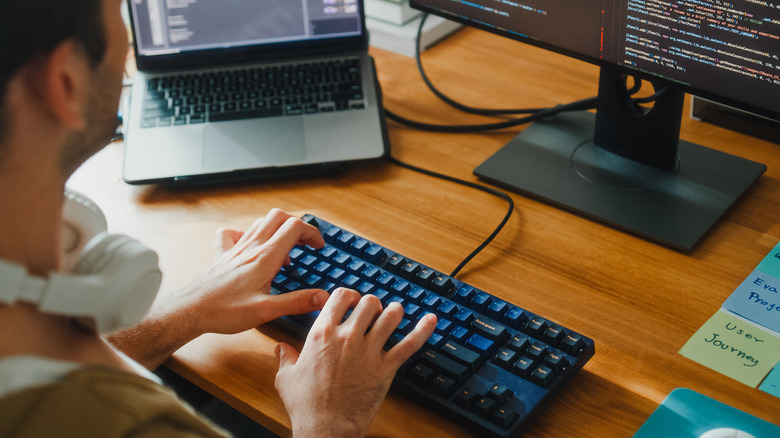
Since the ABS plastic used by the manufacturers is thin, the keys in most low-cost keyboards are prone to wear due to oil from fingers or dust, even with regular use. This is why textured keys can start to feel smooth and the printed lettering wears off. Frequent cleaning can help remove buildup and improve how the keyboard feels, but it can't restore the original texture once the keycaps start to wear down.
Similarly, membrane keyboards also feel heavier or less precise when typing, especially after a few hours of typing. The reason behind this is that such devices demand that you push the button completely to execute the action. So if you put more effort into using it, this can build up after a while, causing discomfort. That is why choosing a cheap keyboard for your setup takes a little more patience and research. For anyone interested in paying less, there are some good options available, such as the SteelSeries Apex 3 TKL, which delivers solid performance for its price. Some models can even be entry-level mechanical keyboards, like the Keychron V5, offering a better typing experience without costing too much.
Expensive keyboards offers premium features for you
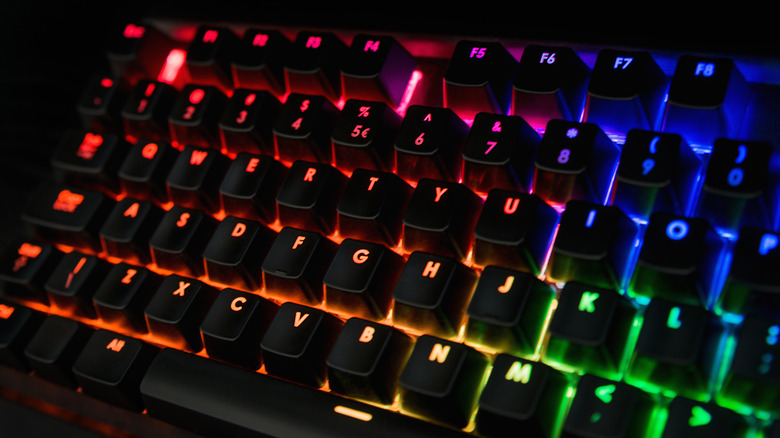
If you're willing to pay a little more, a premium keyboard can offer a superior experience. Many models in this price range come with mechanical switches instead of rubber membranes. You can also often find models with swappable keycaps, a keyboard keycap upgrade that allows more customization for your device.
While casual users will notice some improvement in comfort, especially because of the smoother keypresses, these keyboards deliver a better experience for competitive players. Companies like Wooting helped popularize analog key technology, with features like Rapid Trigger and adjustable actuation point, allowing the key to register and reset the command based on movement. This precision can make all the difference for players for competitive gamers, and even for casual gamers, these keyboards add other features, such as backlighting (shown above).
So, can you tell the difference between expensive and cheap keyboards? The short answer is "yes" — whether or not you need a high-priced device comes down to your intended use. You do tend to get more features moving from a $20 keyboard to a $100 keyboard, which can bring major changes to your overall experience, but the same doesn't always apply when you go from one expensive keyboard to an even pricier one. After that, the changes feel less noticeable for your daily use and gaming sessions, since these gains make more sense only for specific users.