

Are DSLR Cameras Still Worth Buying In 2026?
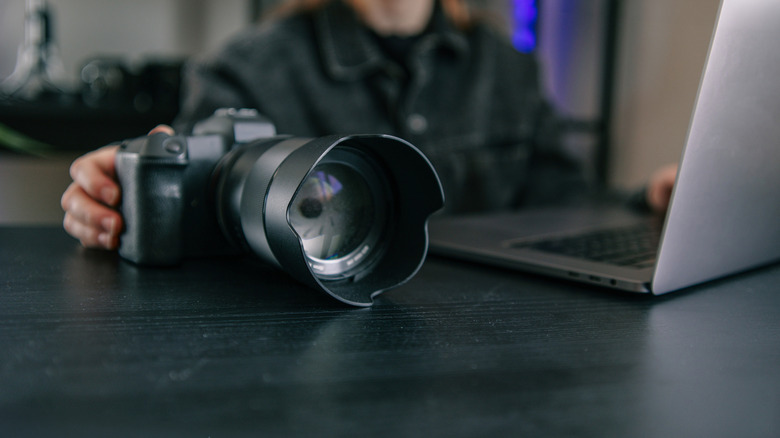
It's easy to assume that since professional photographers have largely moved to mirrorless cameras, the older DSLR cameras are practically dead. After all, mirrorless is the industry standard, and superior autofocus, video capabilities, and electronic viewfinders are really hard to beat. Yet despite being relegated to the pros' bags as backups, many consumers are wondering whether DSLR cameras are still worth buying in 2026.
Despite DSLR developments grinding to a halt for the time being, DSLR gear offers solid image quality, amazing battery life, and plenty of lens choices. Plus, the fact that pros are getting rid of their old cameras means DSLRs are nothing short of a bargain for the quality they offer. In a perfect world, this would seal the deal, but the reality is often a bit more nuanced.
Price aside, the choice of camera will also depend on your personal needs and ultimately, your goals. Many factors will influence your decision. For instance, can you live with a bulkier package and take killer shots without the superior autofocus you get with mirrorless, or not?
When is a DSLR a viable choice?
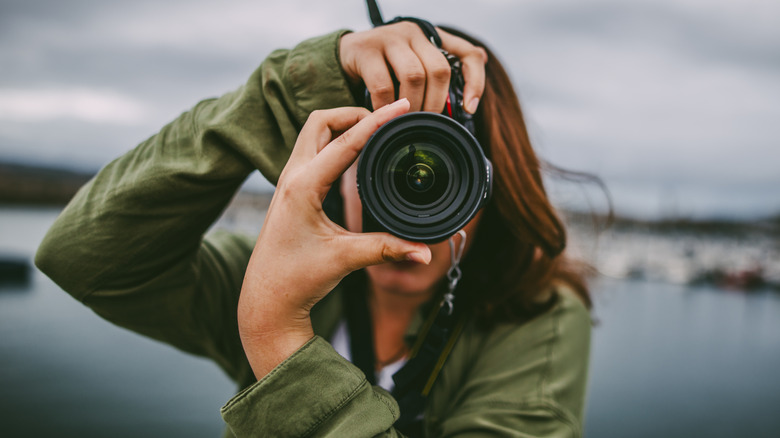
DSLR cameras have dominated the professional and amateur photography landscape for years. As a natural progression from old SLRs (which use an optical viewfinder with a mirror), it was a logical choice for most people just getting into photography or going for the real thing. In 2026, they're still capable of producing stellar images in the hands of most competent photographers.
Some of its more old-school features, like the optical viewfinder, even have a slight edge on the electronic viewfinders (EVFs) you'll find in most mirrorless cameras in some areas. You'll experience no latency (you're looking at a physical mirror, after all), and may get a better performance in low-light conditions. The optical viewfinder also doesn't waste battery, so you won't need to worry about running out of juice in the middle of a shoot. While it's more of a personal thing, DSLRs are generally larger and heavier. For people with larger hands, this is a huge plus.
But of course, the best thing about older cameras is that you can find professional-grade DSLRs on the used market for a reasonable sum. The same thing applies to lenses and other gear. You can build a solid lineup of incredible lenses for a fraction of the cost of mirrorless gear.
With a DSLR camera, you may not have all the modern bells and whistles, but that may lead to a more enjoyable experience. Some photographers even say that returning to DSLR photography made their workflow more focused. This may not apply to everyone, but for those looking to decrease their reliance on technological assistance available in mirrorless systems, it could be a major selling point.
Why go for the mirrorless camera?
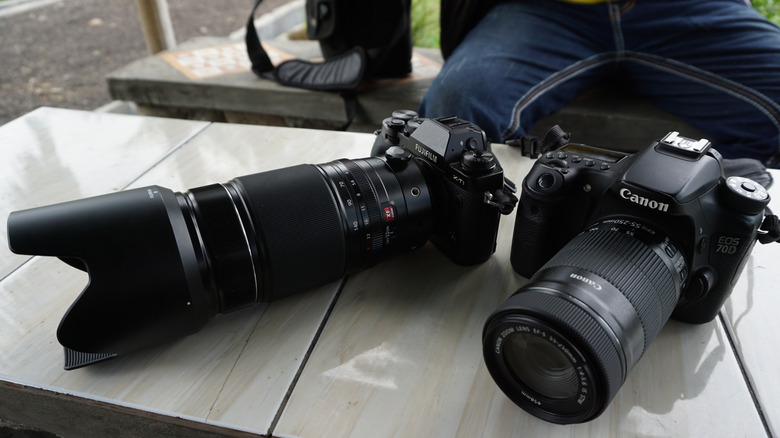
A DSLR may offer a more "pure" shooting experience, but it's simply impossible to ignore the many positive aspects of shooting mirrorless. The EVF is super convenient; what you see when you peek through the viewfinder is what you get, without wondering if you've got the exposure right or if the colors will translate well to the final image.
Many professionals prefer mirrorless cameras because they're much lighter and smaller. This is, again, personal preference. Undeniably, though, most photographers who are frequently on the move will appreciate not having to lug around a 3lbs DSLR monstrosity (and that's not counting the lenses).
The biggest deal will likely be the autofocus. Mirrorless technology is simply better, especially in a professional context. The autofocus is not only faster and more accurate (which absolutely matters if you don't want to miss shots in niches like sports), but features like face detection and real-time eye tracking are something most expert photographers agree make their lives easier – so much so they can no longer imagine not having them.
While the price may certainly discourage you, keep in mind that the future is mirrorless, and DSLR cameras are old technology at this point. They certainly have a place in the landscape of modern photography, but the reality is that the industry has already decided on where it's going. If you don't see yourself becoming a professional anytime soon, some of the more affordable cameras may help you achieve your artistic goals, including a DSLR.