

What's The Average Lifespan Of OLED Screens In Smartphones?
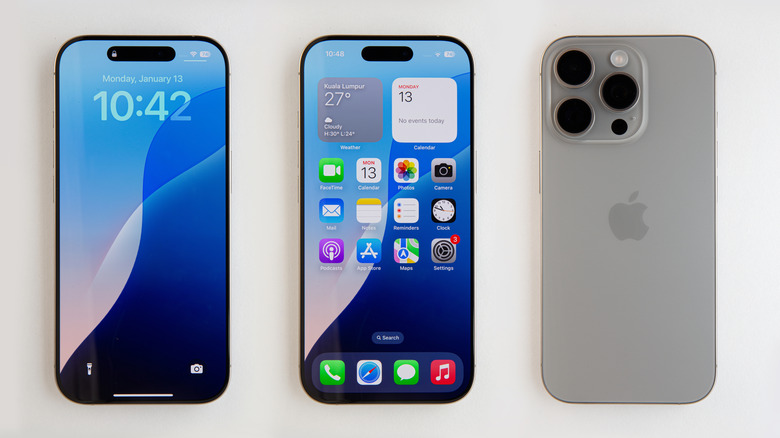
Nowadays, it's common to find phones with an OLED screen, since this technology is replacing LCD as the standard for smartphones, and it's normal to worry about its lifespan. Many people still feel unsure about the quality of these new screens, since burn-in has been a common problem in many older OLED panels and can affect how well they hold up after some time of use.
In practice, OLED panels are now designed to have a life of about 100,000 hours. That equals a little more than 11 years of constant use all day. That's a dramatic improvement compared to the early days of the technology. For example, when the OLED screens started to appear in TVs back in 2013, the estimated lifespan was 36,000 hours for those panels. Even so, that elongated life doesn't mean that the screen will be the same forever.
OLED panels rely on organic pixels that can wear down over time, so the peak brightness might naturally fade after years of use. Also, while many companies provide warranties against screen manufacturing defects, they don't usually cover natural wear and burn-in from use. Apple has even officially stated that small color changes over time are expected behavior on OLED panels.
Why OLED screen burn-in isn't a major problem for phones
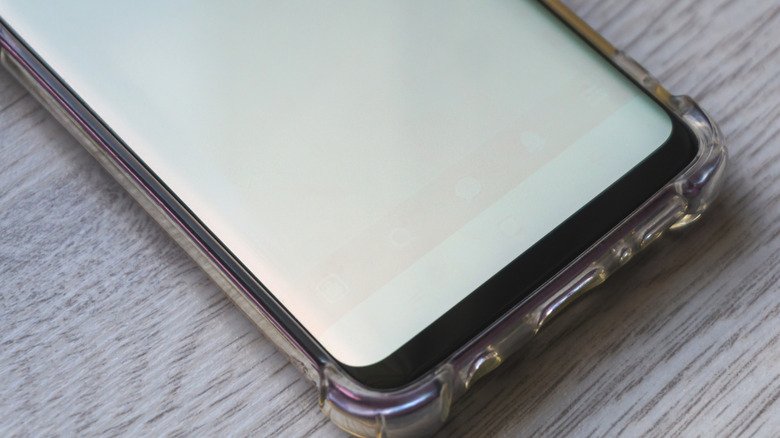
One of the most concerning problems with OLED phones is burn-in, which happens when a static image becomes permanently recorded on the panel. Although this problem does exist and can affect any screen using this technology, it usually only happens in extreme use cases, and there are ways to actively take care of your OLED display to reduce the risk even further — use dark mode when possible, don't keep the phone's display on all the time, don't use the same app for hours on end, etc. Also, the chances of experiencing burn-in are higher if you spend several hours using the same app.
During normal everyday use, the risk of this happening is considerably lower. In fact, according to a study published by the Journal of Cleaner Production, OLED screen wear doesn't seem to be a common reason for people to replace their devices. Usually, your phone has a higher chance of having other problems, such as dropping it on the floor or the manufacturer stopping new software updates for it.
Although burn-in is definitely a problem that can affect OLED smartphones, it's much more common to happen on TVs and monitors. These displays can show the same on-screen elements for hours, eventually causing burn-in — one of the most well-documented OLED TV disadvantages. This is common with some channels or even video games, where interface elements tend to remain static. Phones, on the other hand, are designed for less constant use of the same apps. In general, then, you should expect the OLED screen on your smartphone to last about as long as any other phone screen would — for the life of your phone, as long as you avoid burn-in.