

Why Are Laptops More Expensive Than A Similar PC?

At first glance, laptop pricing may look hostile to consumers, especially when compared against the pricing of desktop PCs. For similar components, the asking price of the best laptops is almost always significantly higher than the equivalent computing power in a desktop chassis, even if the desktop versions of the same chips and cards tend to perform better. While this may at first glance look like price gouging by laptop manufacturers, there are several valid reasons why laptop prices are so (comparatively) steep.
Engineering is one of the biggest reasons behind the pricing disparity. While the best desktop PCs have much more generous allotments of space to ensure their components remain cool (and to incorporate advanced heat dispersal elements, like liquid cooling systems), laptop components all need to crowd inside a tiny chassis without overheating, even under heavy loads. There's also the sheer value proposition of an all-in-one computing solution: Desktop PCs very rarely come packaged with displays, keyboards, mice, and all the other necessary peripherals for making them work, while laptops are expected to package all of those pieces into a single, compact frame.
The cost of miniaturization
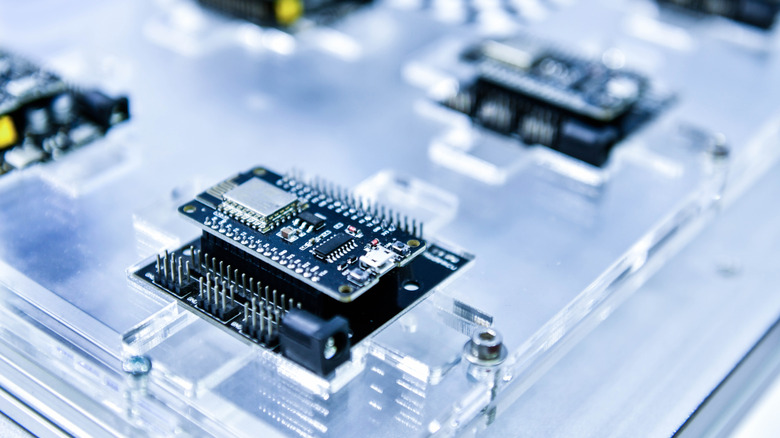
A huge part of the inflated price tag on the laptop side of the equation is the expense of developing and building parts that do the work of larger equivalents. Desktop components have the luxury of spreading out, while laptop GPUs, CPUs, and other internals need to be specialized to function in tight spaces with serious power constraints. That means more engineering costs, more testing, and more compromise. It's not simply a matter of shrinking desktop chips and popping them into a smaller package — laptop hardware often means an entirely different design created to operate in a wholly different environment. Laptop chips are expected to rival desktop performance with significantly fewer resources.
Cooling is another major problem. While desktops can include multiple fans, large heat sinks, and roomy cases to help move heat away from the sensitive innards of the machine, even the best cheap laptops require sophisticated solutions like compact heat pipes, dense fin stacks, and carefully tuned fan curves to keep a much smaller space crowded with hot parts cool. The issue is even more evident in gaming laptops or high-end workstations, where consumers demand performance that rivals high-end desktops. Performance means heat, which in turn means complex (and expensive) cooling solutions.
The price of portability

Another, perhaps more obvious, factor contributing to that inflated price tag is that laptops are required to include everything you need to work and play in a single package. This includes the obvious, like a keyboard, trackpad, and display, but also extras like power bricks that desktops don't typically need to account for. Modern laptops also tend to include accessories that are usually sold separately on the desktop side, like webcams and microphones. When you consider the additional cost of all those extras, the gap between desktop and laptop pricing shrinks considerably.
Beyond that, the expectation is that all of that hardware is supposed to fit inside a chassis that you can carry around or stash in a bag. The sheer convenience of a portable system adds value — value that laptop manufacturers know they can charge more for. These systems also need to be durable despite their lightweight and slender chassis, including delicate pieces like a hinge that will be opened thousands of times across its lifespan. That durability, without sacrificing portability, requires premium materials which also fetch premium prices.