

Shut Down Vs. Restart: Which Is Better For Your Windows 11 PC?
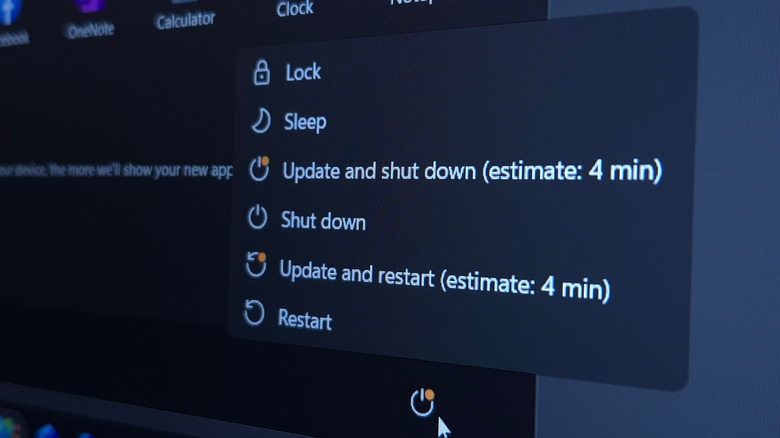
Shutting down your Windows 11 PC and restarting it are both options you can select when using the power button command on your computer. However, they yield slightly different results. When you shut down your Windows 11 computer, the process might not fully clear the core system memory. That's because many computers have the "Fast Startup" default option, preventing the operating system from fully shutting down; instead, it enters a partial hibernation state.
What that does is save the system kernel to the drive without a full refresh — think of it as a snapshot of your system on the drive, so you don't have to boot it from a new state, since it's loaded from the disc. If you are using the shutdown command as a quick way to let the hardware cool off or keep security intact because you leave your computer on all the time, that's fine and sometimes recommended to prevent accidental damage. But if you need it to clear your system of technical hiccups or performance issues, you are much better off restarting instead.
When you should shut down or restart your Windows 11 PC
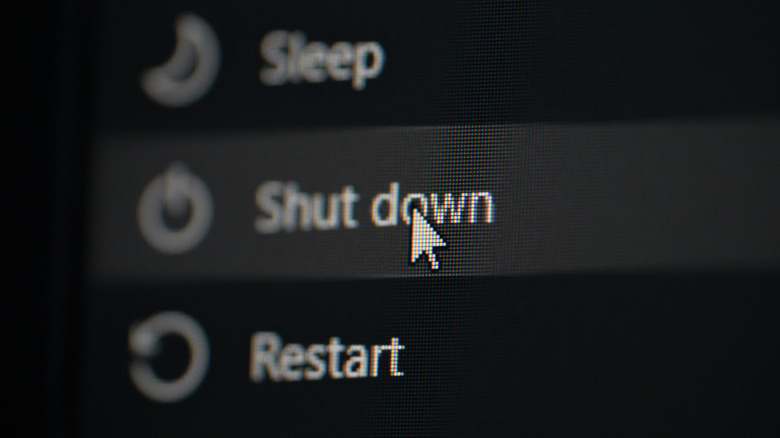
The main reason you'd restart your computer rather than turning it off is when you are trying to troubleshoot your computer or change default settings/clear the system's memory cache. Restarting is also a good option when you are trying to prevent conflicts during an installation or to ensure it takes full effect after you've finished the installer. If that step is required, the app will usually prompt you to restart to finish the installation.
A restart is also a good way to refresh your system's or peripheral drivers that have started acting up, since it reloads them from scratch. So if you're trying to get your PC into a cleaner state than it once was (like for perceived memory leaks), you'll want to opt for a restart over a shutdown, unless you forcefully bypass fast startup using the Shift-Click method or manually disabling it in your control panel's power options.
However, if you've disabled fast startup, the shutdown becomes a bit more useful if you prefer to save on power and avoid unnecessary electricity consumption on your bill, especially when it goes unused, overnight. A true shutdown will completely cut power to the motherboard and RAM, resulting in 0 W, and will also unload the system kernel and clear your data stored on the RAM — the same as a restart. But if you shut down while the fast startup option is enabled, you are technically allowing it to hibernate, which still uses a small amount of power.