

How Long Does A Turntable Stylus Last Before Losing Audio Quality?
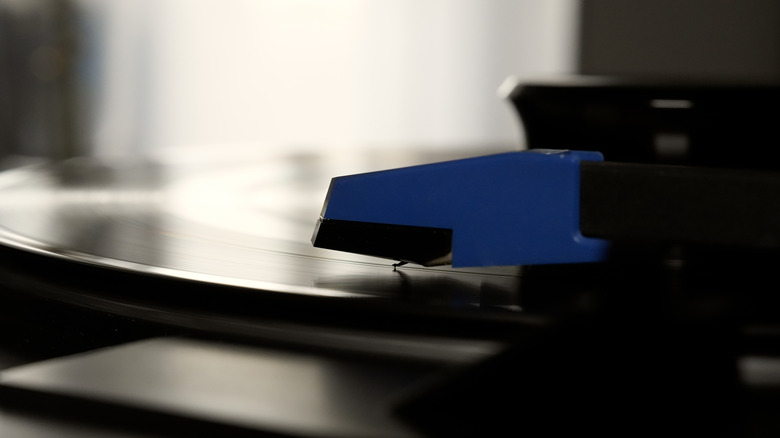
Being a vinyl enthusiast is generally an enjoyable hobby until you hear your first crackle. In most cases, a speck of dust lodged in the groove of your record is to blame. However, if you've been enjoying daily listening sessions for a while and the audio quality continues to degrade, it could also be a sign that you should replace your turntable stylus.
Most styluses will deliver solid sound for around 1000 hours if you properly maintain them (and you can bump that up to 1200 or 2000 hours if you use a MicroLine or Shibata stylus). Still, since maintenance of both the needle and the record contributes to the overall lifespan, you can't rely on numbers alone. This is especially true if you haven't tracked your listening time diligently.
In case you suspect that your turntable stylus is gearing up to meet the choir invisible, it's much better to take a proactive approach. After all, a damaged one can scratch your precious vinyl. So, inspecting the turntable stylus for deformations and paying close attention to the audio quality on a record you know sounds good will yield more accurate results.
How does a worn turntable stylus impact audio quality?
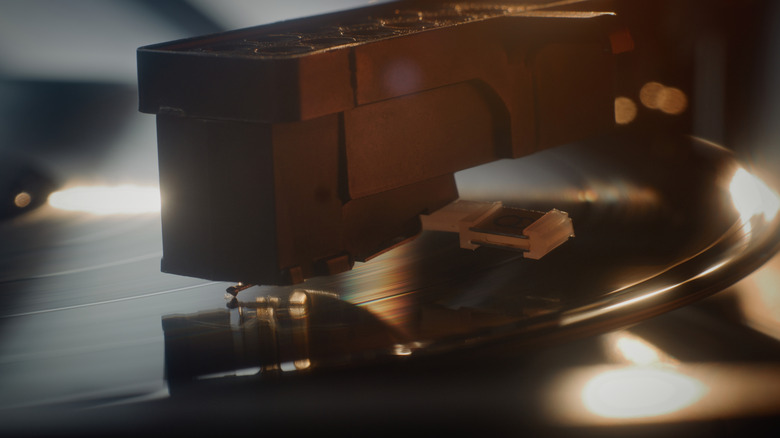
If you've got one of the best record players for audiophiles or are rocking a fresh cartridge, you won't need to worry about any degradations in sound quality for a while. Unfortunately, no turntable stylus is forever. When this tiny needle passes through the grooves, it generates heat and friction, so the stylus degrades at a microscopic level with each playback. The issue is even worse if you're playing scratched or dirty records.
Once the stylus is ready to kick the bucket, you'll notice the audio quality nosedives. The sound may lose clarity, the stereo imaging may degrade, and you could even hear extra sibilance on "s sounds" in vocal tracks. Frequent skips and mysterious crackling are another dead giveaway.
To be 100% sure, inspect the stylus visually. Examine the diamond tip with a magnifying glass; if you see any wear or if the diamond appears misshapen, you're due for a swap. It's also smart to put on a good-sounding record that you know is pristine and play any track in the inner grooves (easier to spot distortion). If the audio is off, then the needle is toast. If you don't notice any flaws and your vinyl still sounds better than digital (or at least close to it), you're in the clear.
How to properly care for a turntable stylus
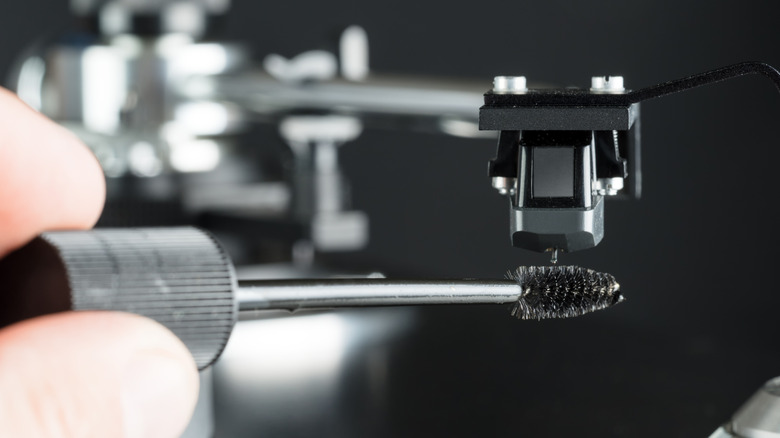
Considering a high-quality replacement needle could cost as much as $100, getting extra mileage out of your current stylus is a wise financial decision. The good news is that stylus maintenance isn't rocket science. In fact, you can get pristine audio quality and get more hours out of the needle by gently cleaning it with an antistatic brush after each playback.
You may also want to pay close attention to how you handle the tonearm. Don't drop the stylus on the record like a brute or drag it across the surface of the vinyl when switching songs. Be delicate. When not in use, you should also retract the tonearm, as it makes no sense to keep it on the record. We also recommend investing in a stylus cover or protector, as it will help keep dust from the stylus tip's surface.
While the hobby gets a somewhat bad rep for its maintenance requirements, keeping your turntable stylus and your audio quality at a commendable level is relatively straightforward. So, before you dive deep into upgrades to your setup for a higher fidelity, it doesn't hurt to go back to the basics. Keep your records clean, your stylus happy, and you'll enjoy a much smoother listening experience.