

3 3D Printing Projects Every Audiophile Should Try
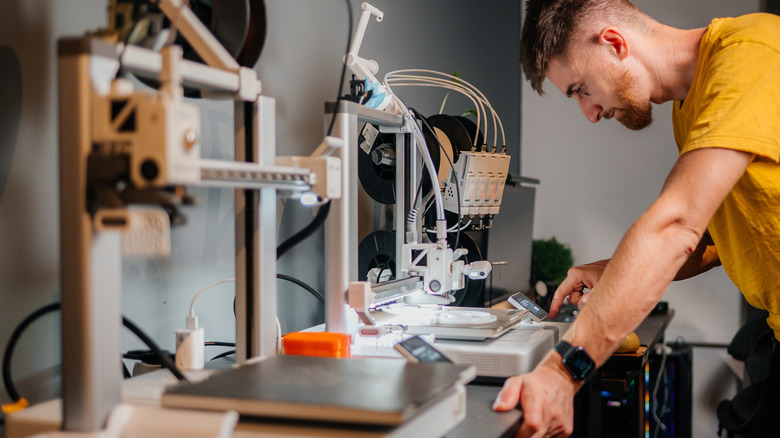
3D printing can be a very rewarding hobby for a number of reasons. A key point is that 3D printing can support other hobbies. For example, maybe you're an audiophile. If so, there are several ways to use a 3D printer to generate custom audiophile accessories and gear.
Granted, a 3D printer can't generate any and every gadget that might upgrade an audio setup. Many types of high-quality audiophile gear are valuable for their internal components that ensure optimal sound quality. However, with a 3D printer, even a beginner can create various items that help them organize their records, personalize their listening experience, and keep their other audio equipment clean.
Just be aware that these projects can range in difficulty. Before diving in, carefully review the necessary equipment and steps to be confident you're prepared. If you choose projects wisely, you'll find that a 3D printer could fuel your audiophile hobby while also allowing you to experiment with your own creativity.
You can use a 3D printer to print unique speakers
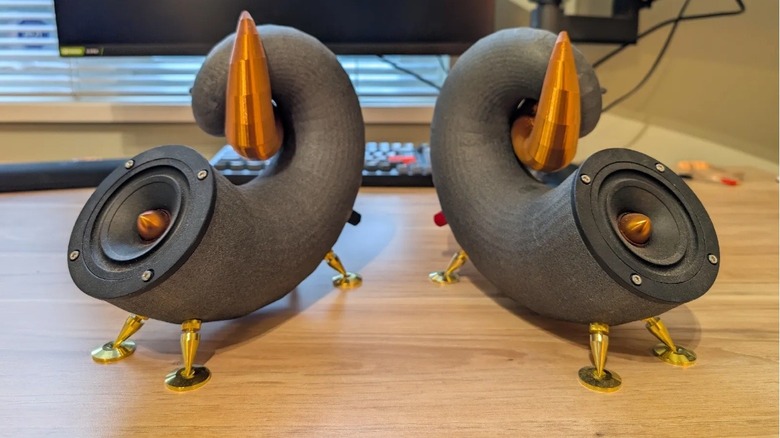
A 3D printer can't necessarily generate all the parts you'll need to ensure your equipment is actually functional. If you want to 3D print a set of speakers, you'll still have to purchase and install internal parts (like drivers) for the finished product to actually project and amplify sound. Nevertheless, on platforms like Printables, 3D printing enthusiasts can find a variety of 3D printer files for creating speakers.
Being able to generate speakers with a 3D printer has given designers plenty of freedom and flexibility to come up with interesting takes on basic audiophile gear. Users can browse options such as speakers with a unique spiral design, speakers shaped like a snail, reactive LED speakers, and more. While 3D printing newbies may feel most comfortable working with others' designs, if you have a bit of 3D printing experience, you might want to come up with your own creations.
This highlights one of the benefits of 3D printing audiophile gear. Again, the internal components will determine whether the gear actually sounds decent. However, the flexibility of being able to generate your own designs means you can create equipment you'd never be able to find at a store.
A 3D printer can generate numerous vinyl record accessories
Any audiophile probably doesn't need to be told that vinyl records are making a comeback. Although the audio quality vinyl offers might not actually rival that of other formats, for various reasons, ranging from nostalgia to the types of equipment used to play vinyl, many audiophiles find that vinyl sounds best to their ears.
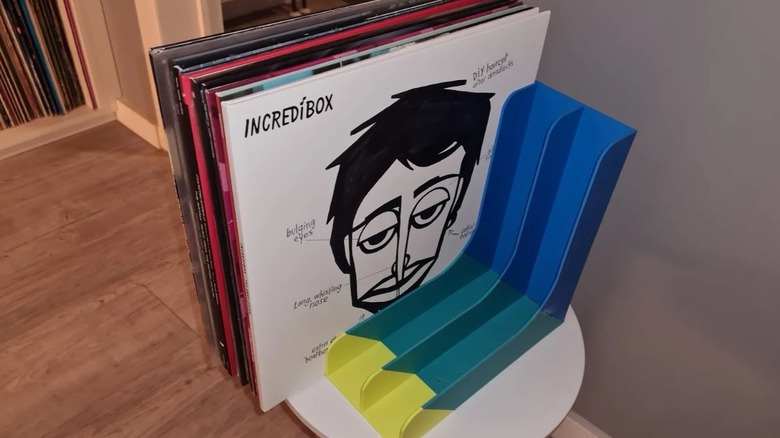
Whether you've already amassed a sizable vinyl collection or you're just starting to collect records, with a 3D printer, you can create a range of items and accessories for storing and showcasing your albums. If you're looking for a simple but effective way to keep your vinyl records organized, a vinyl record holder is a basic 3D printing project that generates something actually useful. You can also use your 3D printer to create a wall display for an individual record.
You might use this to display your favorite album from your collection, or to show the album that's currently playing. Once more, as with custom speakers, depending on your comfort level and experience, you may take these general ideas as jumping-off points for your own personalized designs.
A 3D printer can create no shortage of headphones and headphones-related items
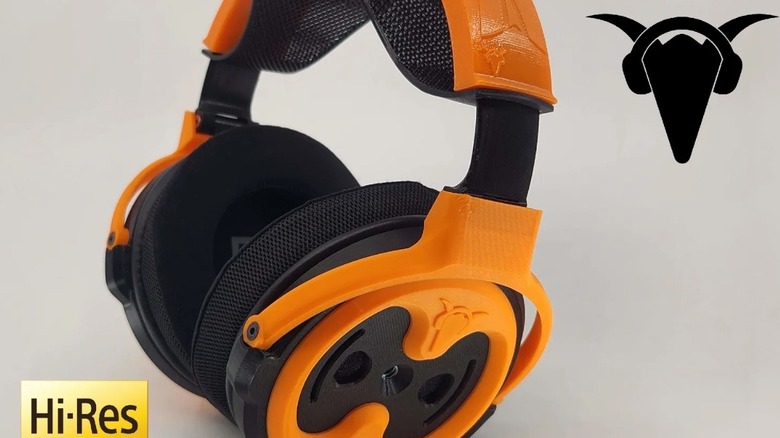
As you may have guessed, knowing that a 3D printer can generate the exterior shell for a set of speakers, it can do the same for headphones. As with speakers, users can find several design options through platforms like Printables. Also, much like speakers, you'll still need to purchase the interior components for your 3D-printed headphones.
A 3D printer can nevertheless generate unique headphones in various sizes, shapes, and styles. It can also generate related items that would likely appeal to audiophiles. For example, a 3D printer can create unique, themed headphone stands, such as "Star Trek" or "Minecraft" themed ones. A 3D printer can also create small tools for audiophiles, like a tool for cleaning earbuds.
Explore these ideas and review the associated 3D printer files to find something that appeals to you. Along with helping you add to your collection of audiophile gear, these projects can give you valuable experience working with a 3D printer. The more you experiment, the more comfortable you'll feel branching out into more sophisticated audiophile 3D printing projects.