

Closed Vs. Open-Back Headphones: Which Is Better For Your Audio Setup?
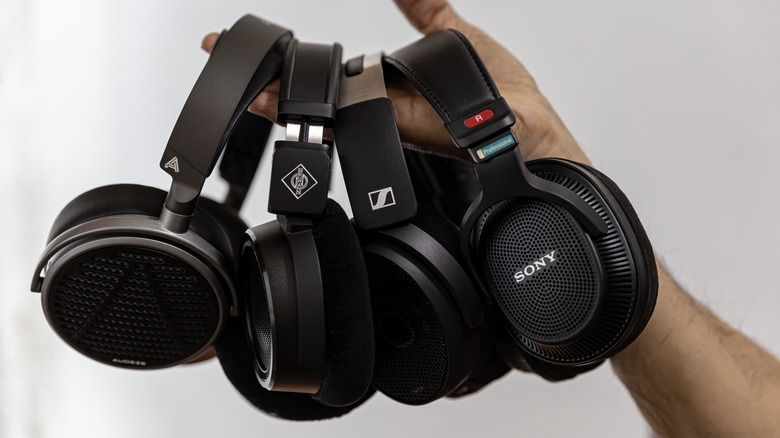
A quality pair of headphones can drastically level up your listening experience. Yet, while biting the bullet on the most expensive pair may seem logical (price does relate to overall quality), you should also consider the type, durability, sound isolation, and ergonomics. Fortunately, most of these traits are highly correlated with the two most common headphone designs: open-back and closed-back.
The debate over closed vs. open-back headphones (and the audio quality they produce) is a common one among music enthusiasts. Though audiophiles (and many mixing/mastering engineers) prefer closed-back headphones for their "airy" and transparent sound, studio professionals and on-the-go listeners love the closed-back style due to its superior isolation and booming bass. In most cases, closed-back headphones are also much more comfortable, giving them the edge over open-back headphones for longer sessions.
Since affordable audiophile headphones come in both forms, your best course of action is to take stock of your needs. What will you use your new "ears" for? Can you sacrifice higher external noise for a more natural sound?
What's the difference between closed and open-back headphones?
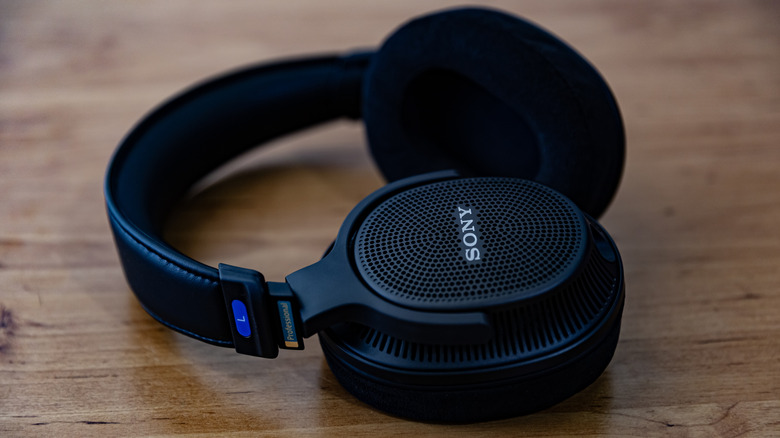
Closed-back headphones are more popular for casual use than their open brethren, and there's a good reason for that. Because the earcups are sealed, they minimize sound leakage. For most people who simply don't want to disturb people around them, this quite often seals the deal (pun intended). The design itself also contributes to a significant bass-heavy sound, which is a huge plus for certain genres that lean heavily on those low, rumbling frequencies.
With sound isolation being the key goal of closed-back headphones, they clamp down heavily on your ears, which also limits airflow. Needless to say, this can be fatiguing and quite uncomfortable during longer sessions. While fatigue may not be as big a deal if you stick to the 60-60 headphone rule (keeping the volume lower and taking a break every 60 seconds), it's definitely something to keep in mind if you'll rock them for extended periods.
Open-back headphones, on the other hand, have the back of the ear cups completely open. This allows air to pass through, creating a more natural, reverberated sound. Because sound waves also interact with the room, open-back headphones don't emphasize bass as much, which, of course, is a no-no for some genres.
While all of this contributes to a more pleasant experience (open-back headphones also don't apply as much physical pressure on your head), they are significantly louder than their closed-back counterparts. The sound isolation is largely nonexistent, so you can expect everyone around you to hear the tunes you're blasting. Thus, you should reserve your open-back headphones for home use.
Which headphones are perfect for you
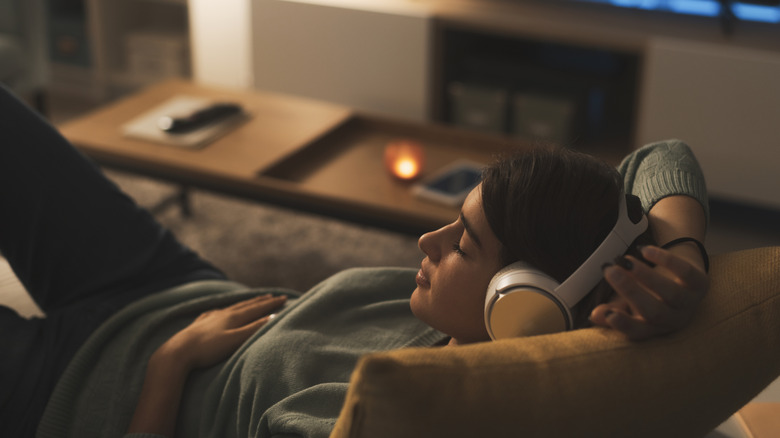
The choice between closed-back and open-back headphones depends on your preference. Generally speaking, the former sound more transparent, which is exactly why audiophiles and audio mixers love them so much. They sound less like headphones and more like speakers. So, if you're looking for a more realistic soundstage, open-back reigns supreme. This isn't to say closed-back headphones sound bad. Some listeners simply prefer a more "in-your-face" sound characterized by loud bass and may feel that open-back headphones lack the punch they're used to.
The audio quality is only a part of the picture, though. Ignoring comfort and how you'll use the cans is one of the most common mistakes people make when buying headphones. If you need something you'll take on the bus, a closed-back is a logical choice. But if you want to be comfortable and plan to wear them for hours at home, the open-back style may pique your interest.
Furthermore, remember that the sound quality ultimately depends on the model, and something most people praise may actually end up being "meh" to your ears. It also doesn't hurt to shake away from labels and spec sheets. For instance, audio enthusiasts praise some closed-back models for their comfort and swear they provide a similar experience to open-back style but with the added benefit of noise cancellation. Do your homework, and you'll be fine.