

What Is The 20% Rule For Solar Panels?
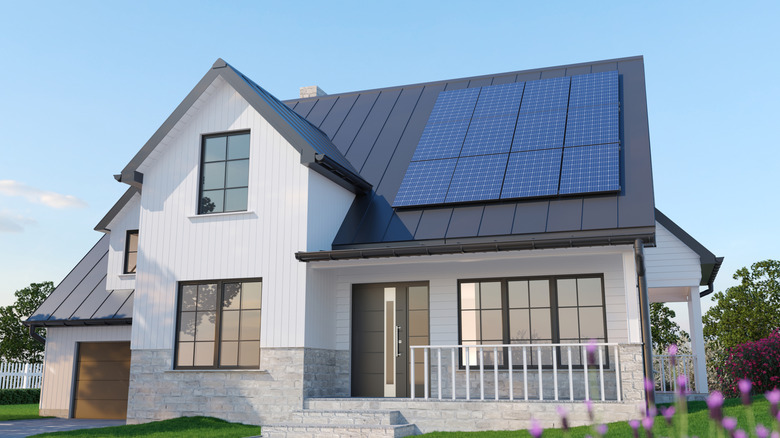
The 20% rule for solar is a simple sizing guideline. The idea is that you build a solar system that provides 20% more power than your typical monthly usage, so you're able to account for any spikes in power draw, or conditions that reduce the amount of solar power your system generates. Alongside the other crucial solar power basics that you should know before installing solar batteries in your home, it's a good starting point to have in mind before you approach an installer and begin negotiating the specifics of your system.
Solar power lacks a certain level of consistency and reliability because it's so weather dependent. Shorter winter days or significant cloud cover can impact the amount of energy your solar panels are capable of generating. There are also usage considerations that may cause your household to exceed your normal draw: An unexpectedly hot summer season may mean greater strain on your home's HVAC system, as may a bitterly cold winter. There's also a certain amount of efficiency loss over time that's inherent to any solar system, and the 20% rule helps to account for that degradation, letting you future-proof your setup accordingly.
How it works
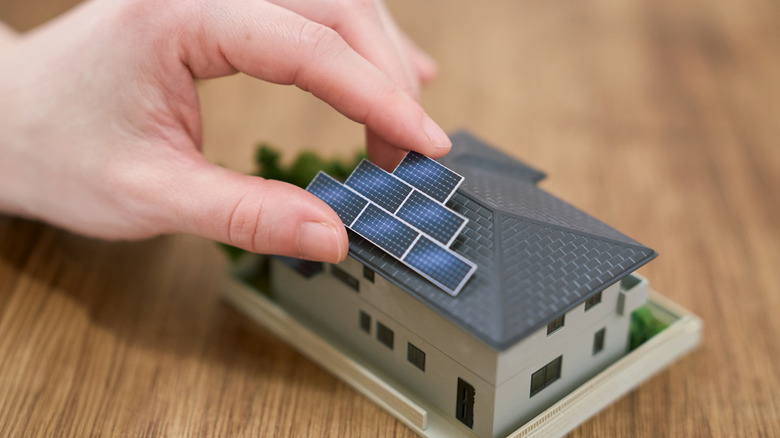
The math is simple: Calculate how much electricity your household requires on average, and multiply the resulting kilowatt-hours (kWh) by 1.2. For instance, if you use 1,000 kWh every month, your solar system should provide 1,200 or more. That bonus 200 kWh will help buffer your home against changing conditions and inefficiencies.
To apply the rule, you'll need to check your monthly average usage, which you can do by taking a look at past utility bills. Most utility companies will allow you to access your entire billing history and power usage online or request it by mail. In addition, instead of just looking at a handful of the most recent months and averaging those, you might consider going back at least a few years and averaging the top six months of usage. You'll want to calculate according to peak usage, not just recent usage, and going a bit over is much better than falling short.
Note that the result will give you a target to aim for, and not necessarily a specific panel count. The number of panels you require will also depend on variables like panel wattage, roof space, orientation, shading, and local sun conditions.
When to adjust it
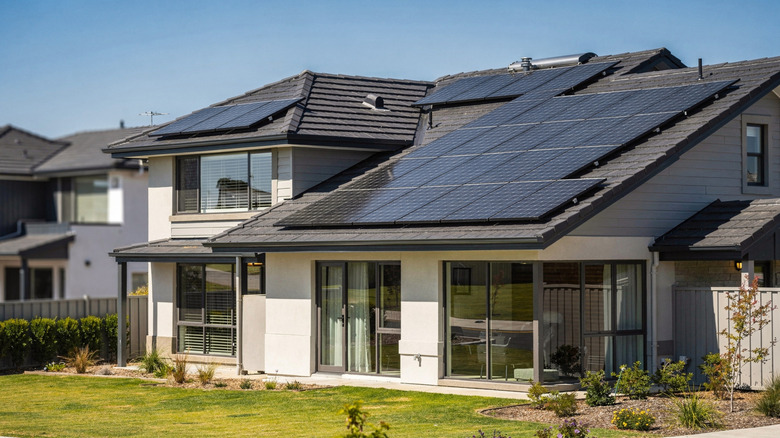
Bear in mind that the 20% rule is intended as a basic guideline, not a one-size-fits-all solution for every solar installation. Be sure to adjust for any predictable upcoming changes to your usage patterns; if you plan to add another member to your household or one or more electric vehicles, you'll want to account for those when planning your solar install.
Location is also a vital concern. If you live in a sunny region and your roof is fully exposed and south facing, you may require less buffer than a roof that spends part of the day in shade or a property in a cloudier climate. Newer panel technology also means more power in tighter spaces, which can alter how much oversizing is necessary or sensible for your budget.
That said, aside from a comfortable buffer, overproduction can also be an economic boon in the long run, if you live in an area where you're able to sell additional unused energy back to the grid. When building a budget, among the other considerations you need to keep in mind when you're thinking of installing solar panels, be sure to include calculations about any credits you may receive from your utility company for overproduction. You may also want to add on some of these solar-powered gadgets to help slash your power bill.