

A Budget Gaming PC For Under $1,000 Is Still Possible - Here's How
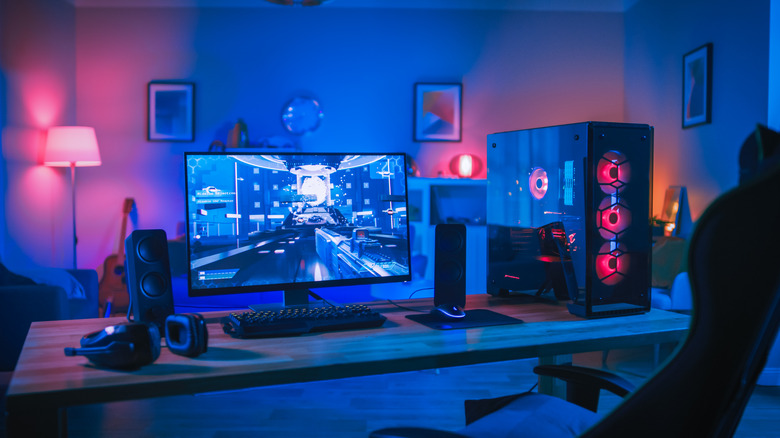
Inflation, tariffs, RAM and chip shortages: there are a lot of reasons why finding a solid desktop PC for under $1,000 is feeling more and more challenging. This is especially true if you're a gamer and you require a certain level of performance. PC gaming may have a lot of advantages over consoles, but price isn't one of them. With nearly every component, from CPU and GPUs to storage and RAM, currently seeing wild fluctuations in price (and trending toward the expensive end of the spectrum), getting decent hardware that fits into your budget can feel impossible.
That said, there are still ways to get a reasonably-specced desktop PC for under a grand, you just have to be smart, strategic and, in some cases, patient (you could also consider some cheap upgrades to transform a standard desktop into a gaming PC). The key is to either wait for a juicy sale at a prebuilt manufacturer or, following the wisdom of generations of PC enthusiasts, build it yourself. While prebuilt prices are more reasonable than they have been in previous eras, there's no matching a savvy DIY build for value.
Find a prebuilt model on sale

However, building your own PC isn't for everyone. While it's easier now than it ever has been in the past, with the glut of online resources and tutorials, it's still an onerous process, and can often include a frustrating amount of trial and error. For those who just don't want to commit to the effort of a DIY build, or who don't have the time to fit one into a packed schedule, there are budget prebuilt PC options if you're smart and patient.
The key to shopping prebuilts is timing. There are some obvious windows where prices will be depressed, like around Black Friday. Many prebuilt manufacturers are now even being included in sales at specific retailers, like Amazon's Prime Days (or counterprogramming with sales of their own). But there are also some more niche periods where shopping prebuilts is advantageous. These include moments like the release of a new GPU lineup, when the previous generation is likely to be discounted.
You should also keep your eyes peeled for major retailer clearance cycles in January and late summer, when inventory refresh often means deep discounts. Regardless of when you shop, be strategic about how you shop. Don't ask "Is this PC good?" but instead something like "how many FPS per dollar am I getting with this build?" Prioritize the GPU, and start with baseline RAM and storage. You can always upgrade later.
Build it yourself
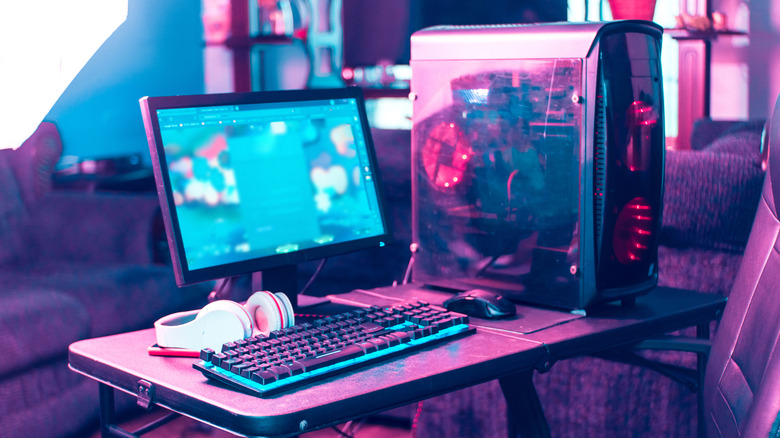
If you do have the time and patience, you'll never find a better value than building a machine yourself. If you do choose this route, you're in luck: it's easier now than it's ever been to find, purchase, and assemble parts for a DIY desktop gaming PC. Start at PC Part Picker. It's the ultimate resource for building your own PC. Not only is it packed with guides on how to get started, how to choose parts, and how to put them together into a final build, but it also includes a massive library of complete builds that you can use as a guide.
You can choose one of these as a template, based on filters like price, GPU, or lots of other variables, and then follow it precisely or modify it however you see fit. Of course, you can also put together your own build from scratch. Either start with a barebones kit that includes a case, motherboard, PSU, and sometimes cooling and CPU, or choose every piece individually.
PC Part Picker will ensure that all your components will work together in harmony, and set up with buying links where you can source them all at competitive prices. That said, the same pricing tips I mentioned in the prebuilt section apply to components. It's often best to wait for sales, be they for major events like Black Friday, or in the wake of the introduction of a new series of CPU or GPU.