

Why Garmin Watches Beat The Apple Watch For Fitness Users
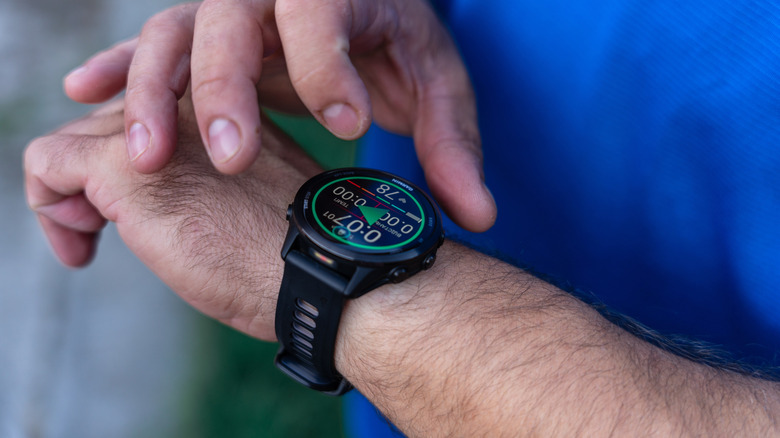
Garmin had been the go-to smartwatch for fitness users way before Apple released the Apple Watch. While Apple's wearable got a lot more popularity after its debut more than ten years ago due to its broader appeal, lighter design, and colorful bands, many athletes still prefer Garmin for practicing sports. Among the reasons are their focus on measuring specific health metrics that Apple Watches still don't, the addition of helpful physical buttons, and a long-lasting battery life.
Still, since the Apple Watch is more widely available, it doesn't mean that fitness users won't have a great time with Apple's wearable. For example, the company introduced the Workout Buddy functionality with watchOS 26, which works like an AI coach bringing important information about your exercise session. Users can also take advantage of Apple Fitness+, which is not only available for iPhone, iPad, and Apple TV, but also on the Watch with programs like "Time to Walk," "Time to Run," and guided meditation.
Still, Garmin is often associated as the best option for athletes, especially if they don't have an iPhone, as the Apple Watch is completely reliant on Apple's platform.
Specific health metrics and long-lasting battery life
Garmin brings an all-in-one solution for athletes thanks to its features like Training Readiness, Body Battery, HRV Status, Load Reports, and Structured Workout Modes. While Apple greatly improved the health features available on the Apple Watch, including its own Training Load, sleep metrics, and perceived effort, users still need third-party apps to get a better understanding of their health. AI chatbots and apps like Gentler Streak are almost mandatory.
For Garmin users, these features bring a native experience of how ready your body is to work out, the hidden costs of daily stress, drinking, and other activities, and even how your heart rate variability is going. Another important point that usually makes athletes choose Garmin over Apple Watch is its impressive battery life. While the new Apple Watch Series 11 is estimated to last between 24 and 36 hours under regular usage, Garmin watches would give users at least 10 days of battery life even with heavy usage.
For models like the Enduro 2 or Instinct 2X Solar, which are watches recommended for ultramarathons or expeditions, they can last up to 46 days or more, depending on how much sun you get on your watch while spending time outdoors. Even though the Apple Watch won't let users run out of battery during the day, they do have to recharge their watches every night — which is not a concern for Garmin users, especially the hardcore ones.
Physical navigation and rugged design
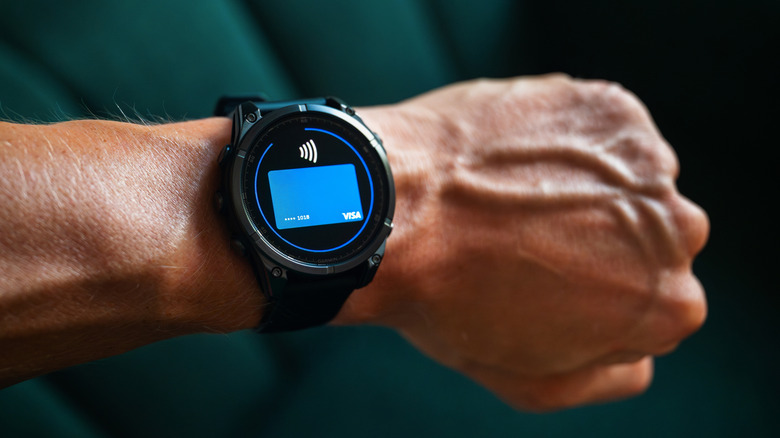
With the Apple Watch Ultra, Apple wanted to create rugged experience for athletes. Apple recommends this model with a titanium finish and a more resistant display for people who love hiking trails, climbing, marathon runners, and more. This has been a response to Garmin's sturdy builds, as models like the Instinct 3 feature a metal-reinforced bezel and a fiber-reinforced polymer case. It also features MIL-STD-810 standards for thermal, shock, and water resistance, so it can be worn during most outdoor activities.
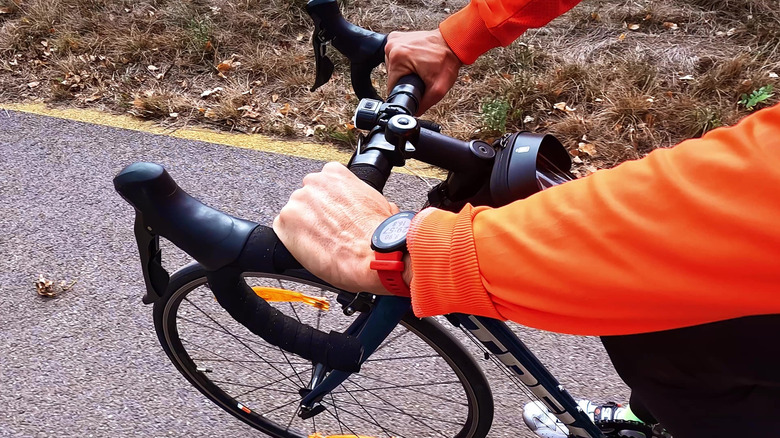
However, Garmin users are also focused on a very important point that makes these smartwatches a no-brainer: Their main user experience is all about controlling the watch without looking at it, thanks to its physical buttons. With a total of five buttons, the layout allows users to perform actions in any conditions — whether they just stopped at a red traffic light while cycling or their hands are completely wet from running in the rain. As an Apple Watch user, I can't count how many times I accidentally ended a workout by swiping right and then trying to go for the pause button. That said, this is why many users still choose Garmin, especially serious athletes, as the most critical part isn't the overall performance of the watch, but how dedicated the device is to helping you focus on your workout.