

5 Reasons I Can't Make The Switch To Wireless Headphones

I've been listening to music on the go since the 1990s, with many fond memories of long bus and plane rides with my Discman and headphones piping in my favorite tunes. It's been interesting seeing the general shift to wireless headphones, and as someone who has had their wires tangled plenty of times, I can't deny the convenience. Despite all that, the various quirks of wireless headphones, from fussy Bluetooth connections to underwhelming batteries, make it hard for me to relinquish my wired headphones entirely.
The thing about relatively simpler technologies is that they tend to be a little easier to deal with. Yes, wired headphones can get tangled up in your bag, but a hardline, unpowered connection always ensures that you'll have your music when you want it, and that's more than I can say about some less-than-stellar wireless pairs I've put up with over the years. Even if I use a pair of wireless headphones, at the very least I need an audio jack in case their wireless connection fails me, and I'm left in boring silence. Perhaps this is why wired headphones are becoming cool again (not that they ever stopped being cool to me).
Inconsistent sound quality
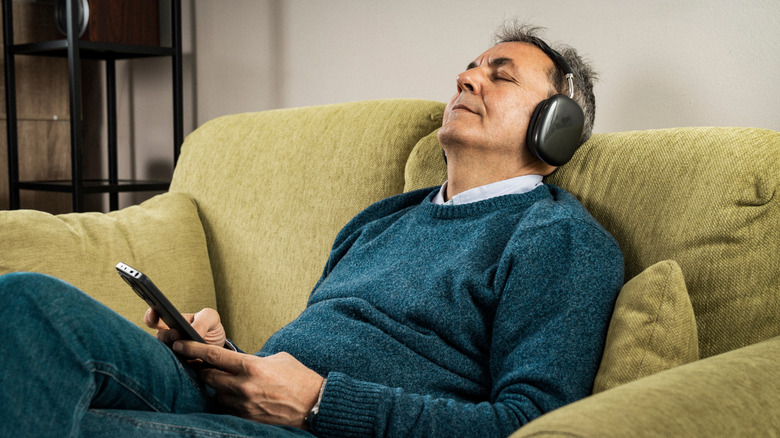
If you have the absolute best audiophile-grade wireless headphones on the market, with the latest and greatest technology, you'd probably get pretty consistent performance and sound quality. However, I do not have the best wireless headphones on the market, and it's unrealistic to assume everyone else does. Instead, whenever I use a pair of wireless headphones, it's usually a mid-range model with some distinctive quirks.
Low to mid-range wireless headphones may not have the best internal audio software, which means the sound they stream from a source like your smartphone could experience packet loss and latency. In practical terms, your music doesn't sound as good as it otherwise could, and you could experience skipping and fading as it tries to keep up with the flow of data. I've tried using cheap wireless headphones instead of my wired pair and noticed a tangible decline in the quality of my music, even though my wired pair doesn't have the best speakers. Again, you could solve this problem with top-shelf wireless headphones, but if the solution is "throw more money at it," that's not really a solution.
Fussy connections
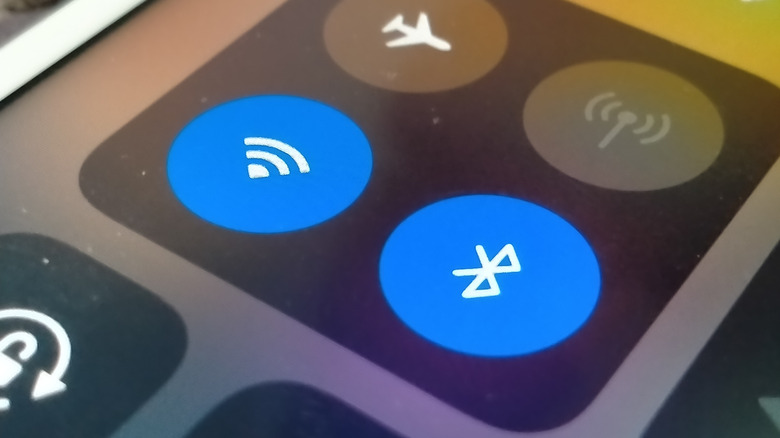
Bluetooth, for the most part, is a fairly reliable connection format, especially compared to when it first took off in the early 2000s. If your phone is right next to your headphones, the connection should, ideally, stay steady. Sadly, "the ideal state," in my experience, is not the usual state of being for consumer electronics. Forcing you to connect your headphones to a source exclusively via wireless just introduces avenues for frustration and failure.
I've had numerous instances where I'd connect wireless headphones to my phone and try to enjoy my music, with my phone no farther from my pocket than my hand, only to have my Bluetooth connection suddenly and randomly drop out. Afterward, I'd have to take my phone out of my pocket, unlock it, open my settings, go to the Bluetooth menu, and reconnect the headphones. Admittedly, it's not the end of the world to have to make a few taps, but if I had been using my wired headphones, I wouldn't even have had to do that much, as wired headphones don't drop out like that at all.
I keep losing track of them

I don't claim to be the most organized person in the world, but I'm generally pretty okay at remembering where I put my gadgets. However, for some inexplicable reason, wireless headphones just keep getting away from me. Even if I swear I put them with my laptop or travel bag, when I look inside right before a trip, they've vanished without a trace. This is compared to my wired headphones, which, despite being mostly the same size and shape, always stay right where I leave them, perhaps thanks to their cords, which give them a more distinctive profile. In addition to regular over-ear headphones, organization is an even bigger problem for me with wireless earbuds. If I don't always remember to put them back in their charging case and store that case in an obvious place like my nightstand, they're going to disappear every time.
I think perhaps the reason I didn't lose my headphones nearly as often when I was a kid was that they were always plugged directly into my Discman. Wherever it went, the headphones went, and as a cohesive unit, they were much harder to lose. The same is true now for my wired headphones, whether I'm using them with my phone or my PC.
Underwhelming battery life
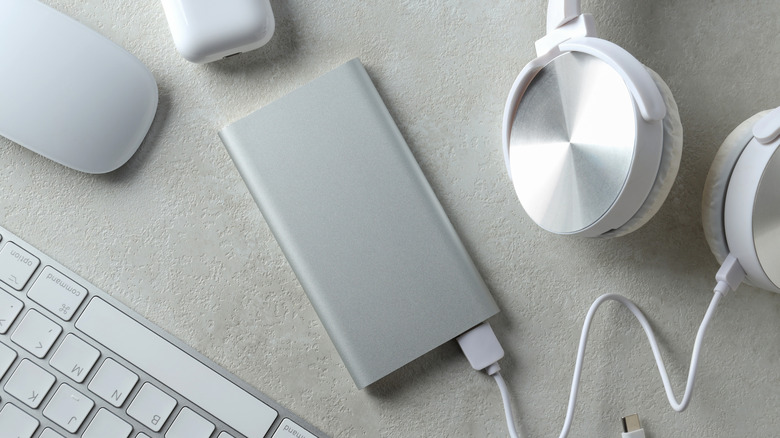
One of the most prominent differentiating factors between wired and wireless headphones is that while the former draw power directly from their audio source via their cord, the latter have their own batteries. In theory, this is better for your overall power economy, as your phone or music player doesn't need to carry the load of your headphones, and a dedicated power source also allows for extra features like noise-canceling. However, all of that is contingent on the battery in question being sufficient, and this isn't always the case.
While your precise battery life on your wireless headphones will vary depending on what you're using them for and for how long, in my most common use cases of long-distance travel and taking phone calls, the battery doesn't give me much to work with. After just a few hours of relatively normal usage, I'm already running on fumes. Even if wired headphones place a slightly greater burden on your source device, at least the device in question is probably better equipped to handle that load. There's also a mild psychological aspect here: I worry that if I use my wireless headphones too much, I won't have enough charge when I really need them, so I leave them off out of concern. It kind of defeats the purpose.
Annoying to recharge
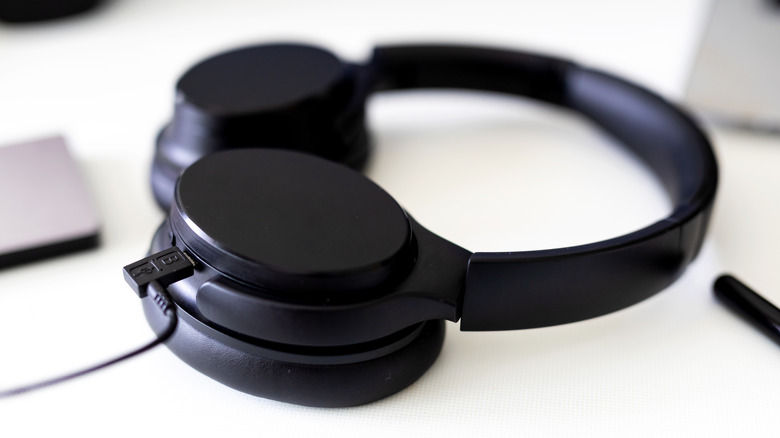
Speaking of battery life, the other end of that equation is the need to recharge your wireless headphones after you get back from a trip. The thing about this, and this is one of my most consistent pet peeves with wireless headphones, is that most pairs don't seem to come with their own dedicated charger. You might get a tiny little USB cord to plug it into your phone or PC if you're lucky, but if you just want to plug it into the wall like you would with just about any other portable device, you either have to hope you've got a compatible, unused charger in your junk drawer, or just constantly siphon power from another device.
Additionally, and you could probably attribute this to growing up exclusively with wired headphones, I frequently forget to recharge my wireless headphones. I can remember to charge my phone when I get home because its charger has an obvious, dedicated spot on my desk, but charging my headphones just doesn't cross my mind until it's already a problem. I'll concede that's more of a me problem, but in fairness, if I were using my wired pair, it wouldn't even be a problem.