

Why Do Solar Lights Still Need Batteries?
Solar panels provide a clean, renewable source of continuous energy by converting sunlight into electricity. Sunlight hits the panel and is absorbed by photovoltaic cells embedded inside, creating direct current (DC) electricity. An inverter is then used to convert the electricity into alternating current (AC), which is what homes use for appliances, gadgets, and so on. That electricity flows into the system or a home, where it might be used then and there, but it's not stored anywhere unless you install a battery. A rechargeable battery connected to the system will store excess energy for later, whether that's when the sun is down or when there's not enough solar energy being generated to sustain power. Now, this describes a residential or commercial solar power solution, albeit oversimplified, but it is also precisely why solar lights and solar gadgets still need batteries, on a smaller scale.
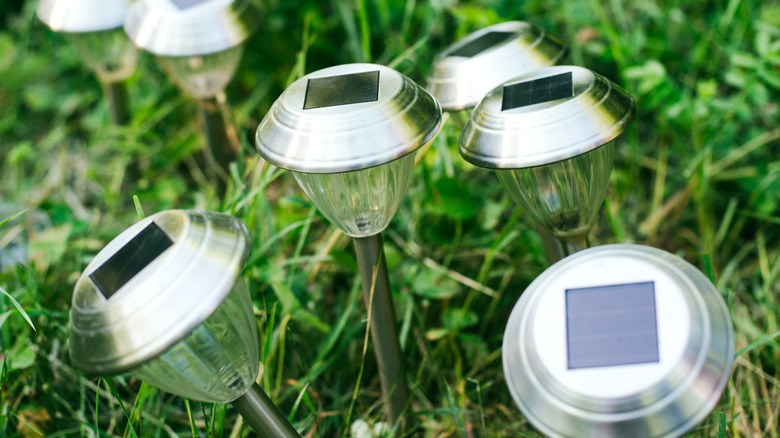
From outdoor path and garden lights to camping lanterns, the batteries store energy collected by the built-in panels, providing power for consistent use at any time. Imagine trying to turn on a lantern at night, with no power storage, and only a solar panel on top of the housing. It might have a dim glow, but it won't provide substantial light since it has nowhere to draw power from. But with a battery, charged by solar during the day, the light will turn on and stay on, even in the dark, because it has a reliable power source. That's also why most of the devices you can power with portable solar panels incorporate a battery, like an internal battery or a portable power station to plug into.
Why don't smaller devices need an inverter?
Observant folks may have noticed that there's no mention of an inverter for smaller devices, like solar-powered lights or gadgets. That's because they can be designed to run on direct current (DC), so the electricity produced by the panels or the battery within is supplied by the panel's DC output, which then powers the device's electronics. Smaller electronics like USB chargers, LED lights, portable fans, battery banks, radios, and similar devices can operate directly on low-voltage DC power. Some of these smaller systems may still incorporate what's called a charge controller to regulate voltage, provide DC-to-DC conversion, and ensure consistent performance for the battery or internals.
Ultimately, this is how you end up with a ton of cool solar-powered USB-C gadgets and the like. Camping fans to stay cool, flashlights to keep the surrounding area in view, and bug zappers to fend off mosquitoes and other big creepy crawlies can all run on solar power, which essentially charges an internal battery.
You can power all devices with a solar station and panel combo
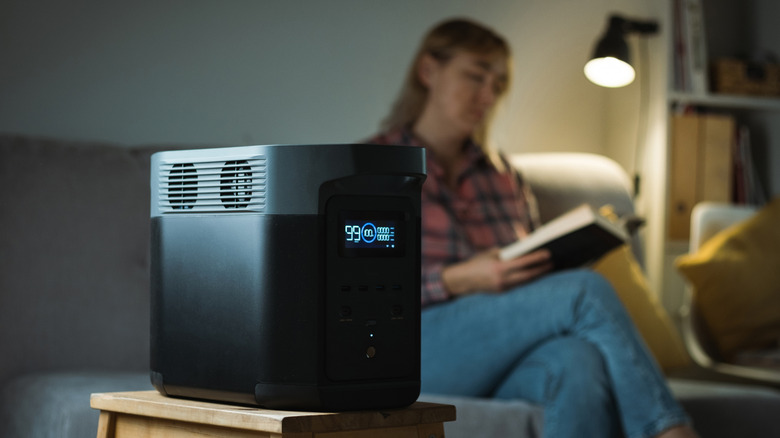
You don't need to choose devices with a built-in solar panel to take advantage of solar energy. You can also bring along a portable power station on your adventures, many of which are compatible with solar panels for charging. You can plug the panel into the station, charge it during the day when the sun is at its peak, and then rely on the stored energy — from the internal battery — to power your devices and gadgets anytime. They're excellent for off-grid living and remote use, for keeping certain appliances and electronics powered during a storm or outage, and even for emergencies, as first responders use them to power emergency equipment. Some excellent portable power stations punch above their price bracket and offer a ton of value, too, so they're a viable option for just about anyone.
What's ideal about a portable power station is that it contains numerous outlets so you can plug in your standard devices, and it doesn't need to run on solar or DC power either. They not only have a battery but also many models feature built-in inverters or converters for when you might need them. Moreover, power stations commonly include USB-A, USB-C, DC, and AC outlets, among others, so you have enough places to plug in your gear. You will want to consider how much power you'd like to have, because the size of the station determines how much energy it stores for later use and how long you can use it before recharging.