

This '80s Sci-Fi TV Show Required Buying A Toy To Watch And Fully Experience It
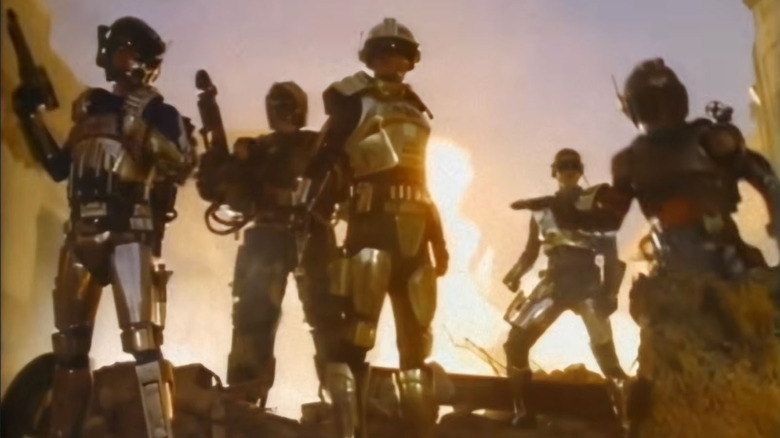
When you think about toys-to-life games, you probably think of things like Webkinz, "Skylanders," and Nintendo's Amiibo characters. These are games that incorporate some sort of physical aspect (such as a figurine or plush toy), but one of the first toys-to-life experiences wasn't a video game at all — it was a sci-fi series show called "Captain Power and the Soldiers of the Future." This series ran for just a single season in the U.S. and Canada from 1987-1988 and combined live action with animation, but what this show is probably best remembered for is interactive line of toys.
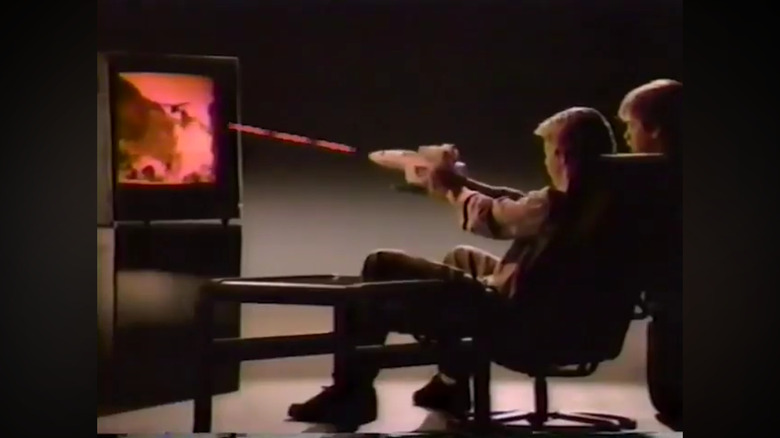
The show is set on a version of Earth where machines took over and started hunting down human survivors. It follows a group of fighters led by Captain Jonathan Power (Tim Dunigan) as they fight Lord Dread and his Bio-Dread Empire. Far more notable than the plot, though, is the way it integrated a toy version of the XT-7 jet, Captain Power's ship. Using the kind of light gun technology found in arcade shooters and the Zapper that was released alongside the original NES, kids could aim their XT-7 — along with a handful of other vehicles portrayed in the show — at the TV during certain sections and shoot at targets on the screen. Hitting targets earned points, while letting the jet get hit would lose them, and if your toy took enough hits, the pilot automatically ejected. The toys could also interact with each other off screen giving users an experience similar to laser tag.
Captain Power and the Soldiers of the Future was controversial
Though the concept was interesting, "Captain Power and the Soldiers of the Future" faced a wide range of criticism, resulting in it being canceled after one season and largely forgotten since then. At the time of its release, the show was slammed by parents who said the gun-like gameplay desensitized children to violence and felt that the toy integration turned the show into one long advertisement since the gameplay segments required the interactive toys to get the full experience.
Additionally, despite a line of toys that looked geared toward kids, the storyline of the show tended to have a more mature undertone. It was based in a brutal, post-apocalyptic world, and themes included romantic drama, some PG-13 language, and even a major character death. The overall vibe seemed to be written more for parents than children, resulting in a show that didn't quite appeal to anyone. Though a second season was mostly written, "Captain Power" ended after just one, and in 2016, it was announced that "Captain Power" would be coming back in a reboot called "Phoenix Rising" with co-creator Gary Goddard on board, which never happened.
While it may have been overshadowed by some understandable controversies, the show and its interactive element were far ahead of their time. Rudimentary as it was, "Captain Power" mixed TV show, game, and toy in a way that's impressive for something that was released way back before the Sega Genesis and Super Nintendo.