

5 Reasons Why People Ditch Their VR Headsets
Virtual reality (VR) headsets promised a lot when they entered the mainstream consciousness in 2016 with the launch of the Oculus Rift. VR enthusiasts looked forward to devices immersing them in games like never before, and enabling wild adventures to exotic places like undersea worlds, ancient civilizations, and outer space. But the uptake of VR headsets has been slower than expected, with surveys suggesting that even those who already own them are using them less.
Reasons for people ditching their VR headsets include a lack of compelling content, as well as physical discomfort while using them. Also, recent sales figures suggest that interest may be shifting toward smaller form factors, such as smart glasses. These high-tech gadgets may have even passed their peak, as data from Counterpoint showed that global VR headset shipments dropped 14% year-over-year in the first half of 2025, while Omdia found that active headset usage fell by 8% in 2024.
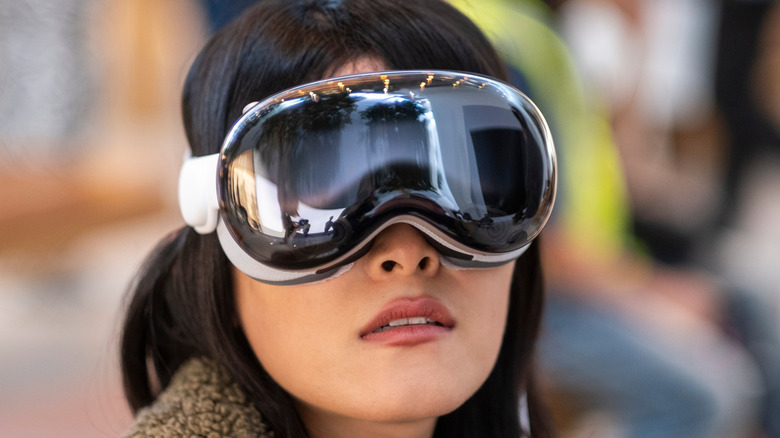
Apple's high-profile entry into the sector hasn't reversed the trend, either. When the company launched its mixed-reality (MR) Vision Pro headset in 2024, many wondered if the tech would finally take off. But even the company that popularized the smartphone and smartwatch is still waiting for a pivotal moment to propel VR headsets into the mainstream.
Motion sickness

A University of Indonesia study from 2024 found that 57.3% of VR users experienced motion sickness, with nausea and dizziness cited as symptoms. Another study two years earlier found that this so-called "cybersickness" affected as many as 65.2% of participants who used a VR headset. One reason for this unpleasant response is sensory mismatch. This occurs when the virtual imagery, like riding a roller coaster, clashes with the reality of being stationary, leaving the wearer feeling sick.
Slow frame rates on the display inside a headset can also contribute to these symptoms. A study from the Institute of Electrical and Electronics Engineers tested refresh rates from 60 frames per second (fps) to 180 fps and found that nausea dropped significantly at 120 fps compared with lower frame rates. If someone bought their VR headset hoping to use if for long gaming sessions but ended up feeling a bit green after a short time, it wouldn't be surprising if they soon returned to their regular gaming console, leaving the VR headset unused.
Neck strain and fatigue

Wearing something lightweight like a hat or a pair of sunglasses is easy. Wearing a VR headset weighing around a pound is less so. The longer you keep a headset on, the more strain you can put on your neck muscles . This physical discomfort is another reason why people are ditching their VR headsets, or using them less.
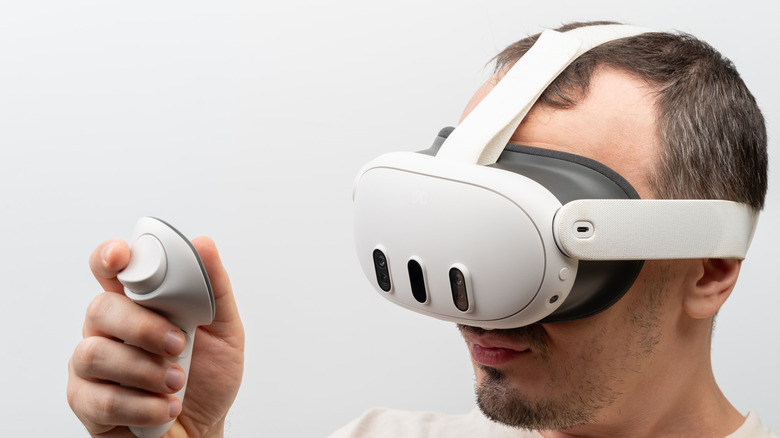
The Meta Quest 3 and PlayStation VR2 weigh 1.14 pounds and 1.23 pounds, respectively. Apple's Vision Pro is even heavier, weighing up to 1.76 pounds, depending on the configuration. Manufacturers have tried to deal with the weight issue by placing straps in a way that distribute the pressure, but for some people, keeping a device weighing more than a pound on their head for a prolonged period is simply too much to bear.
Placing your face inside what is essentially a box of electronics can also make you hot and sweaty, making for an unpleasant experience. In a bid to deal with the issue, features like a breathable facial interface have been created by Meta and third-party companies. But these measures don't entirely eliminate the heat problem, leaving some users hot and with a sore neck.
Lack of engaging content
As with any new gadget like a smartphone, tablet, or gaming console, a customer needs to have confidence in the available software, in terms of both quality and quantity. While those platforms have succeeded in building out ecosystems, VR headsets continue to face a catch-22 situation where developers won't create content without a large user base, and users won't buy the device without enough compelling content.
For VR, this cycle has so far been harder to break compared to other new technologies that have gone before. Small developers may be reluctant to create software for VR headsets due to a fear of failure, while larger firms may remain unconvinced of the platform's viability. And with immersive headsets still yet to take off, developers big and small may be content with continuing to work with traditional platforms like smartphones and PCs. This dearth of engaging content is just one reason why VR headsets are collecting dust.
The 'fun factor' can fade

At the beginning, most people likely find a VR headset thrilling, but the fun factor can fade before too long, especially if there's no compelling reason to keep going back. Smartphones persisted because they evolved from the mobile phone, a device that people already owned and used regularly. In that sense, the smartphone wasn't starting entirely from scratch, as it transitioned users from a familiar tool to something similar, but more advanced.
Developers were quick to see the potential of a new device that was set to land in the hands of millions of people and started making software for it. This created a self-reinforcing ecosystem of apps for everything from streaming, shopping, and banking to maps, social media, and gaming. Likewise, game consoles, while single-purpose devices, succeeded in part because they offer a wide range of games in a simple, familiar format.
VR headset use often delivers an initial wow factor. But that excitement can ebb once the novelty wears off, as it lacks that compelling draw to keep you coming back and is a relatively complex new gadget. People tend to prefer hassle-free tech that that doesn't require a lot of effort to enjoy, so it wouldn't be unusual for someone to simply become bored with their VR headset and set it aside.
Smart glasses are better for everyday use
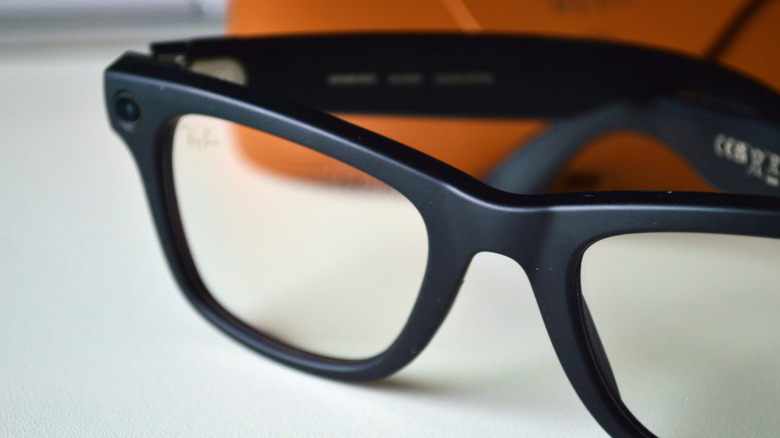
Major tech brands like Meta, Apple, and Sony have invested a lot of time and money into developing VR headsets, and immersive technology is moving fast. Meta is already making progress on this front with the Ray-Ban Meta AI glasses, while Google is planning to one-up the Ray-Bans with its own smart glasses. Hot on their heels are Apple's smart glasses looking to beat Meta too. While currently less feature-rich than VR headsets, smart spectacles are bringing greater functionality with every new iteration. Plus, they look like regular glasses and avoid the clunkiness of headsets.
Counterpoint research showed that shipments of smart glasses surged 110% in the first half of 2025, while IDC data says the global extended reality market — which includes smart glasses — saw 44.4% year-over-year growth, even as VR and MR headset shipments declined. The research firm said that it expects this shift away from VR headsets and towards spectacles to continue. This uptick in smart glasses sales could be partly due to buyers of VR headsets discarding them in favor of the smaller form factor and their relatively easier daily use.