

This Magnetic Charging Breakthrough Lets Electric Ships Recharge Wirelessly At Sea
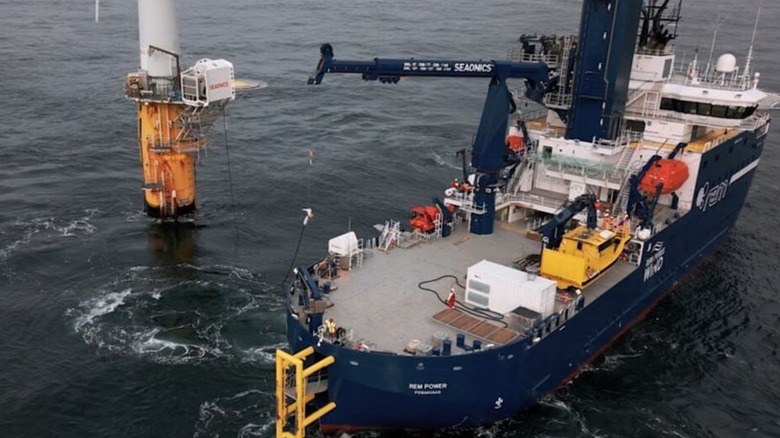
Cars aren't the only electric vehicles on the market; plenty of ships run on purely electrical power. These are distinctly different from aircraft carriers that carry giant nuclear generators, as electric ships rely on batteries. But a problem to solve with these ships is how to best charge them at sea. Recently, research institute SINTEF, in conjunction with shipbuilding company Vard, started testing a new style of charging that relies on magnetic connections. You can already charge these ships with traditional metal plugs, but bare metal doesn't play well with salt water.
It corrodes, is prone to wear and tear, and is challenging to maintain in open water. This new idea protects the connection against saltwater and other contaminants, including algae. While the premise is simple, the mechanics of wireless charging at sea are anything but. Both the charging cable and the electric ship require tightly wound induction cables capable of sending and receiving energy via magnetic fields when coupled.
This breakthrough magnetic process also entails transforming alternating current into high-voltage direct current that is converted into a high-frequency current before being transmitted magnetically. Of course, the process must then be reversed on the ship to charge its batteries. SINTEF's scientists believe they have developed a system that is as efficient as standard plug-and-play charging, which is a big step considering many people think wireless charging isn't worthwhile because it is less efficient.
The role of wind farms
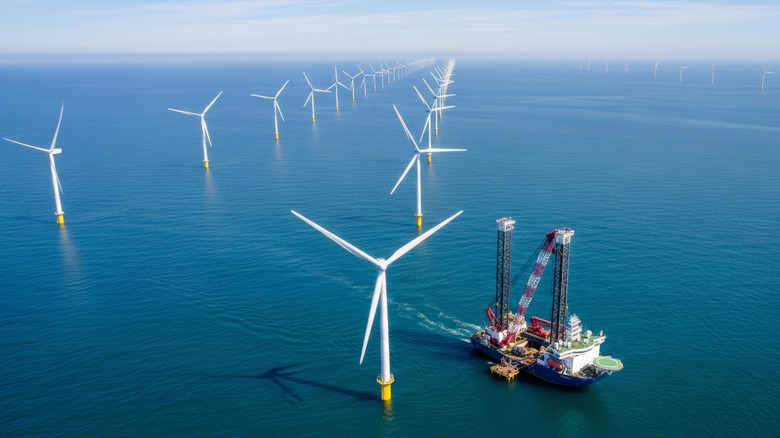
One of the main issues standing in the way of reliable electric ship recharging is a lack of infrastructure in the ocean. To remedy this, SINTEF is floating the idea of installing their magnetic ship charging cables into offshore windfarms. This is a one-two punch of an idea as some of the electricity the wind turbines generate could go into ships that help maintain these locations — SINTEF designed the wireless charging mechanism with Service Operation Vessels in mind.
That way, these vessels could maintain wind farms, while avoiding battery-draining trips to port for recharging. SINTEF is also developing what it calls Offshore Substations , a hub that collects and stores electricity from the turbines to provide it when the wind stops blowing. While the project is in its early days, Vard envisions building a charging infrastructure across the Norwegian coast with the new charger at its center.
This magnetic breakthrough in wireless charging is also being considered for use with Platform Supply Vessels that operate in the oil industry. Not only would this free up oil used to power those ships for other uses, it could turn countless offshore wind farms into clean energy gamechangers.