

Why Do Smartwatch Users Upgrade Their Device So Often?

While it may have once been common to get a new phone virtually every year, surveys indicate most consumers keep their phones for longer these days. However, there are still some devices that users tend to update fairly often. For example, according to a Clutch survey, about 59% of consumers who use wearable tech (like smartwatches) upgrade those devices every two to three years. That's pretty frequent for a gadget that's not generally considered to be as essential as a phone. However, there are several legitimate reasons why smartwatch owners are willing to shell out cash for replacements so often.
First of all, while the average consumer might not consider a smartwatch to be a necessity, many of those who do use these devices have come to rely on them for purposes like tracking daily health habits and message alerts. Naturally, because people use these devices daily, smartwatches become vulnerable to the inherent effects of frequent use. For example, the components can wear down, the battery can begin to drain more quickly, and the device's overall performance can begin to degrade.
These are just a few reasons that, according to the Clutch survey, a little over half of wearable tech users replace their devices to address performance gaps. That's not to say these are the only factors motivating smartwatch owners to replace their devices fairly often, though.
Why do smartwatch owners upgrade so often?
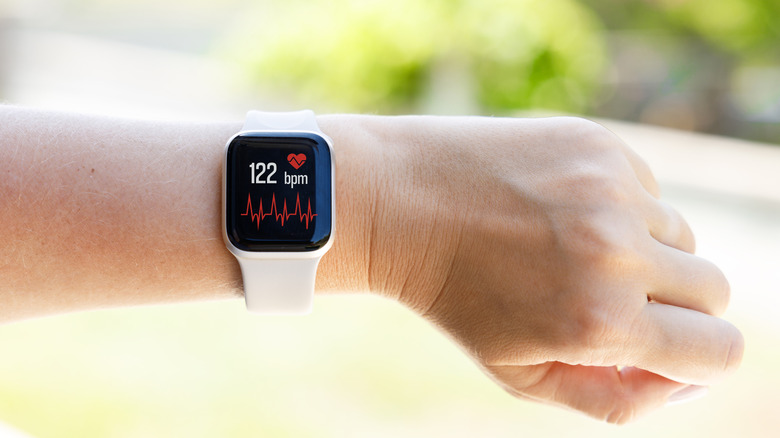
Users who responded to the Clutch survey primarily cited factors like performance and device longevity when addressing common reasons for upgrading their smartwatches and similar wearable tech. Be aware, though, the fact that performance lags may cause users to replace these devices every couple of years doesn't necessarily mean these devices are poorly made. Again, due to their nature, they're exposed to more wear and tear than other devices may be. On top of that, every time the display of one of these devices is active, significant battery power is required.
With smartphones, users might upgrade their devices to access new features and innovations. That's less common among wearable tech owners who upgrade their gadgets. However, it's not unheard of. Since smartwatch owners commonly use these devices to track health data. As such, per the Clutch survey, they may be willing to upgrade for innovation-related purposes if new tech promises more accurate or otherwise improved health tracking.
For example, a new model of smartwatch might include new sensors. These sensors may represent a general improvement on the sensors of the past, offering improved accuracy and overall reliability. Personalization is another factor that might cause a smartwatch owner to make an upgrade even if their device is still in decent working order. As wearable tech begins to incorporate AI, new smartwatch models can also offer health data insights tailored to individual users.
Maximizing the longevity of a smartwatch
While there may be understandable reasons to upgrade a smartwatch every two years or so, it's also understandable if you'd like to optimize your device's lifespan instead. Doing so won't just save you money in the long run — it can also help you own and use wearable tech in a more sustainable manner.
Smartwatch maintenance and upkeep best practices may vary somewhat from one model to another. Always check the manufacturer's information for official recommendations. That said, you can keep a smartwatch in good shape by not using it in environments where it may be prone to damage from physical impact like drops from a height, not exposing it to extreme temperatures, and checking it for signs of damage on a weekly basis. You can also turn down the brightness on the display to improve the battery life.
Regardless, no smartwatch will last forever. Familiarize yourself with the signs it's time to replace your smartwatch so you can make an upgrade before your device dies. Before buying a new model, you might also want to research which smartwatches are reliable and which smartwatches you should avoid.