

Should You Buy A PlayStation 5 Now Or Wait For The PS6?
Truth be told, the PlayStation 5 is now six years old, nearing the end of its current lifespan, and based on patterns with older-generation consoles, Sony usually releases a new console by the end of the current one's 7th year. Though this time, it might technically be different. Analysts have suggested that Sony is considering pushing back the next PlayStation console (likely the PlayStation 6) to 2028 or 2029.
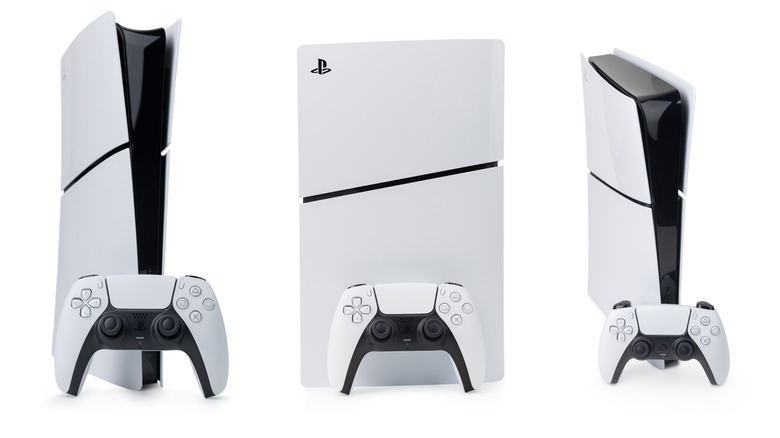
Given the potential that the next-gen Sony console will be delayed, you are likely wondering whether buying a PlayStation 5 Pro or the base model in 2026 is worth it, or if you should just wait for the next launch. As someone who sometimes buys a console in the early-to-mid life cycle and in the first year after launch, my answer is that you should definitely buy the hardware currently available if you already like what you see. Mainly because there are no guarantees when the PlayStation 6 will launch, what features it will have — backward compatibility has been a sore spot with this company — and whether any of the very few launch titles are actually worth it.
The PlayStation 6 might not have favorable pricing
RAM and memory in today's market are significantly more expensive than usual, and there aren't any signs that this will recover in the next couple of years (despite a few dips). It's also been an ongoing issue building a new PC, since even a pre-built could be more cost-efficient. These are tough times for consumers and tech companies alike. Businesses feel pressured to either absorb manufacturing costs to develop new tech or raise prices. Sony isn't an exception to this either.
Sadly, not all companies will subsidize their consoles like Xbox, recovering costs through game sales or subscriptions. Either the retail price increases to reflect the covered expenses, or other components are downgraded to keep prices steady. Plus, companies may even keep it higher if there's no competition, lowering the pressure. Sony would have to decide how to deal with the memory crisis once its inventory empties. If launch prices for the PlayStation 6 are too high, like say, costs closer to $900, rather than $600 USD, people might hesitate to pay if they can still make use of the PlayStation 5.
I am someone in this boat. It is extremely rare for me to buy a new console just for exclusives unless it's for Nintendo. Sadly, exclusivity remains inconsistent between Sony and Microsoft (it dwindled before, but now re-emerging), making me feel a lot less incentivized to rush out and buy one for exclusives, unless Sony's PC port reversal actually works.
The PlayStation 5 will keep going even after the PlayStation 6 has launched
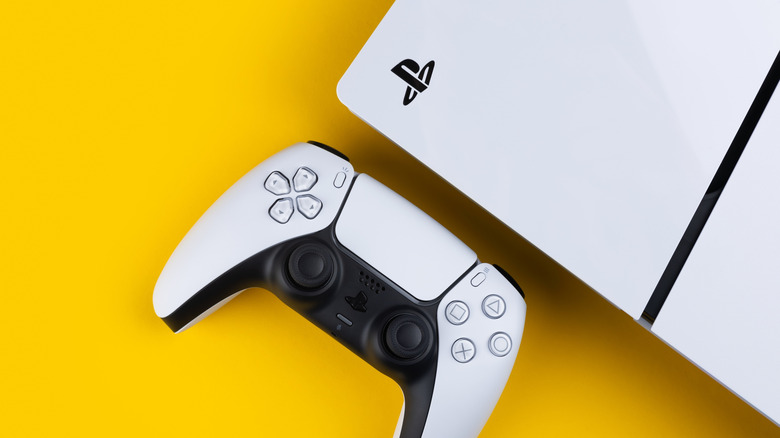
Here's my secret: around 90% of the time, I continue playing last-gen games for about two or three years into a new console's lifespan. Even if I own the new-gen hardware, it is rare for me to go out of my way to pay for a next-gen console game when I can just load my PlayStation 4 disc into my PlayStation 5. I like to get the most out of my PlayStation 5 games, so I'd continue playing them even on the PlayStation 6 (assuming it launches with backward compatibility, because the PS3 didn't unless you owned a special launch model that emulated them).
So then, the question that begs to be answered: why even buy a PlayStation 6 at launch? As it currently stands, Sony should still support the PS5 at least halfway into the next generation, given how it has treated previous consoles. Support for the PS4 slowed down by shutting down some apps and games to focus on the newest platform, while Sony continued to support PS2 online play until 2016. Basically, you have time to wait, even if you only buy the PS5 now — and let's say the PlayStation 6 were to release in 2028 and continue to be supported for another four years after its debut (2032), you'd get six years of mileage from your purchase, which is pretty good.