

These 5 Apps Are Must-Haves For Spotting Your Next Thrift Store Gem

If you love thrifting, then you know that finding thrift store gems requires a well-trained eye, along with a lot of time and luck. But today, technology has made this much easier. Several smartphone apps can help anyone identify clothes, antiques, or tech worth buying at thrift stores and even estimate their value. Through these apps, thrifters can access features that range from visual item recognition with the help of artificial intelligence to access to various databases to get a sense of values. These apps don't just help beginners starting this hobby, but also experts who already have years of experience buying at thrift stores.
The good news is, if you don't want to keep many apps installed on your phone, Google also offers an alternative for researching thrift store finds. This way, items that would be hard to track manually can be found in just a few clicks, which lets you leave the thrift store with valuable finds.
eBay

Although eBay is more of a marketplace than a specialized product identifier, it remains one of the best free alternatives for anyone who wants to check product value. So, if you already know what you have in your hands, you can access the app to research similar items that other users have sold, find information about their rarity, and gauge people's interest. This is useful when you suspect you might be holding rare vintage tech worth thousands of dollars.
Another excellent thing about eBay is that it allows you to filter by items that have already sold in the past 90 days. This way, you can compare how much people are asking for a product now and, most of all, whether those amounts truly reflect its market value. This can help you decide whether it is worth paying their price at the thrift store or leaving it behind.
Also, because it is one of the largest online marketplaces, eBay's database is huge, and you can filter by various item categories. This helps a lot when comparing, since someone may have sold something similar to what you found, but might have used a different term for the same item.
Google Lens

If you want to research thrift store items more casually without using a dedicated app, Google Lens is a great alternative. Many Android phones now include it natively, but you can also download it for free from the Play Store or even use it on Apple phones without problems. With it, you only need to point at any object and you should receive instant information about what it may be, such as its name, origin, and price. There are also ways to use Google Lens every day beyond identification, like reading product barcodes to find exact matches for items with visible labels.
Although Google Lens is useful, its accuracy can vary at times — mainly with more niche items. It works best for identifying objects with striking visual features, such as porcelain patterns, logos, or a different style. However, when it receives the object correctly, the app shows search results with similar images found on the internet. It is not a specialized tool, but Google's database makes it efficient for this purpose.
Also, since it comes installed on many phones and does not require any extra registration or subscription, you have a convenient option to use in several situations. For anyone starting in this treasure-hunting space and not wanting to invest in a paid app, it works as a very useful first filter.
Curio

Made for people who want a more complete app to identify antiques and other vintage items faster, Curio is a great choice to keep on your phone. It works similarly to Google Lens, so you only need to take a photo of the object to receive information about it, such as the item's description, origin, and historical period. Every user gets three free scans before committing, and unlimited access requires a Premium subscription, which costs as much as $40 per year.
Curio can also show the approximate value of each item based on historical data, which helps anyone thinking about resale. It also lets you organize identified items into a personal collection, with the option to export everything later. Where Curio truly earns its place is with items that have clear visual markers or period furniture styles.
At the same time, user reviews point to inconsistent price estimates — an item scanned twice can return very different valuations. Think of it as a strong identification tool first and a pricing guide second, and always cross-reference values on the market before buying.
WorthPoint
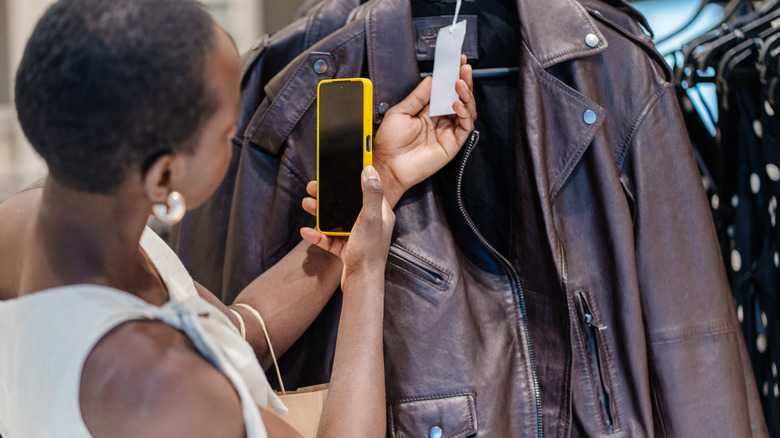
Like eBay, WorthPoint is a tool for anyone who has already found out what they have and now wants to know how much it is really worth, such as valuable retro gadgets that might be hiding in plain sight at thrift stores. This platform brings together historical auction sales records and covers 23 separate item categories, so you can filter through a relatively wide variety of products. This is also why WorthPoint can give you a much more accurate market view than Google searches and similar tools.
The app also includes a visual database of manufacturer marks, autographs, patterns, and symbols to help you identify items. One of WorthPoint's problems, however, is that it is not free. Depending on the type of access you want, the subscription can range from $29 to $47 per month, so it is not recommended for people who are more casual in this space. On the other hand, for anyone who often looks for gems in thrift stores, the investment is worth it because of everything it offers.
Vintiq Antique Identifier
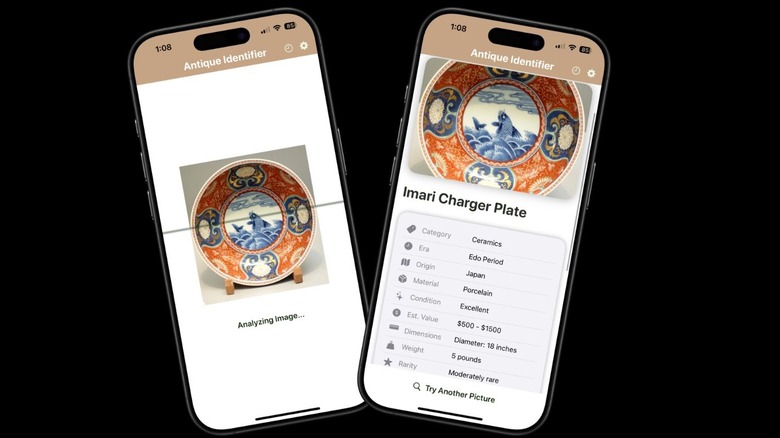
If you are looking for a second opinion to identify an item, Vintiq Antique Identifier is an interesting alternative to Curio. The process is similar, as you photograph the item, and the AI provides data about its origin, period, and estimated value. Vintiq offers a three-day free trial and requires a Premium subscription afterwards. Plans start at $6.99 per month or $39.99 per year, making the annual plan the best value for anyone who thrifts on a regular basis.
It is important to mention that, like any other app of this type, Vintiq is not foolproof. Results can vary depending on the image angle, especially with items that are rarer or do not have much information available about them. For this reason, you should always photograph the item from different angles and, when possible, capture marks and details, which usually matter for accurate identification.
That said, Vintiq can show some inconsistencies in its estimated values, so treat it as a tool to get a better sense of what you are buying rather than a definitive price guide. Always research the item further on eBay or WorthPoint before committing to a purchase.