

Stevia Might Be Key To The Future Of Bendable Tech

While stevia is best known as a low-calorie sugar alternative, researchers have recently discovered that it may have far-reaching applications beyond sweetening your morning coffee, such as driving some of the coolest new electronic gadgets. A new study published in Advanced Materials suggests a stevia-based hydrogel triboelectric nanogenerator (S-TENG) can be transparent, stretchable, and durable enough for use in bendable devices, opening the door to wearables (like those used in sleep tracking) and other soft electronics that are more durable than existing counterparts. An S-TENG is a kind of self-powered sensor material that generates electricity when it is pressed, bent, or separated, which can then be used for motion detection or wearable sensing.
Flexible electronics are enjoying the limelight at the moment, with foldable phones and tablets and skin-like devices designed to move and flex with the body grabbing headlines. The challenge in designing these devices, however, has been on the materials side: many of those considered are too brittle, opaque, or too limited in terms of their ability to stretch before performance collapses. Stevia, or specifically a transparent, deformable, and recoverable hydrogel built around stevia and polyvinyl alcohol (PVA) may be the key to solving a number of those limitations at the same time.
How stevia might unlock flexible tech

Researchers discovered that the addition of stevia to PVA to produce a hydrogel TENG improved its mechanical strength while also supporting electrical output, making the material more useful than a simple soft polymer for energy-harvesting electronics. The stevia-based hydrogel seems to deliver a TENG electricity-generating trifecta (soft, transparent, and durable) by creating a material that can flex and recover without losing the properties that matter for sensing and power generation. It's important to note that it's only the TENG layer that's affected, not other components of a device, meaning it may not have a universal impact on the overall durability of future flexible electronic devices.
The most immediate use case for deploying these new TENGs is in innovative new wearables. It paves the way for devices that can power themselves or top off their batteries by harvesting energy from the movement generated by a body in motion. If the strengthening effect of stevia can be applied to all hydrogel-based materials, we could see a revolution in wearables. Hydrogels are already being investigated as a platform for flexible displays and touch sensors. If stevia can be used to make them more durable, these technologies will show up in consumers' hands sooner.
What stevia could enable
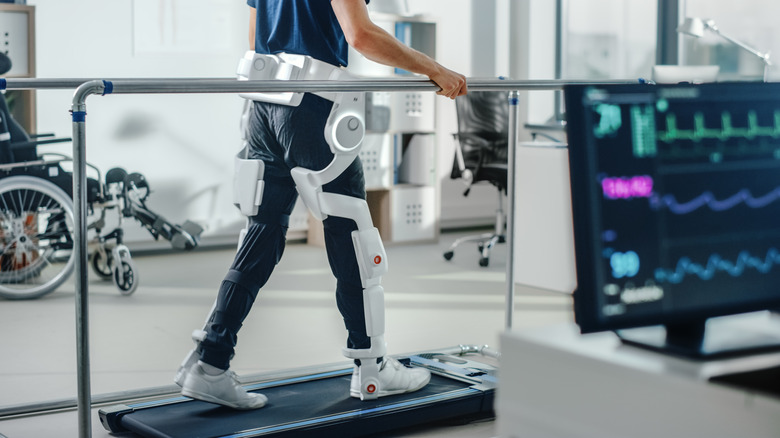
This sort of material development is one spoke in the broader push of the creation of flexible electronics. Researchers have been striving to craft better substrates, more durable circuit layers, and improved approaches to combat cracking across the broader spectrum of device materials, as one of the main enemies of flexibility is the kind of repetitive stress that bending puts on conventional materials. The stevia advancement is vital in that pursuit, because it may lead to the development of materials in the TENG layer that can stretch and recover while maintaining the kind of electrical behavior needed for harvesting energy from motion and touch.
The potential applications are vast. The stevia hydrogel enables the development of clear patches capable of monitoring joint movement (and obstructions), or small sensors that could be sewn directly into clothing to monitor body temperature, heart rate, blood flow, or any number of other health-related metrics. As part of the study, the team constructed a sensor that they attached to different body parts and used to detect motion like finger bending, throat movements (such as speaking), as well as wrist, elbow, and knee movements. According to Professor Kyungwho Cho, one of the study's authors, sensors of this kind could help improve rehabilitation monitoring and contribute to IoT-based wearable devices.