

3 Hidden Downsides Of Curved Phone Screens
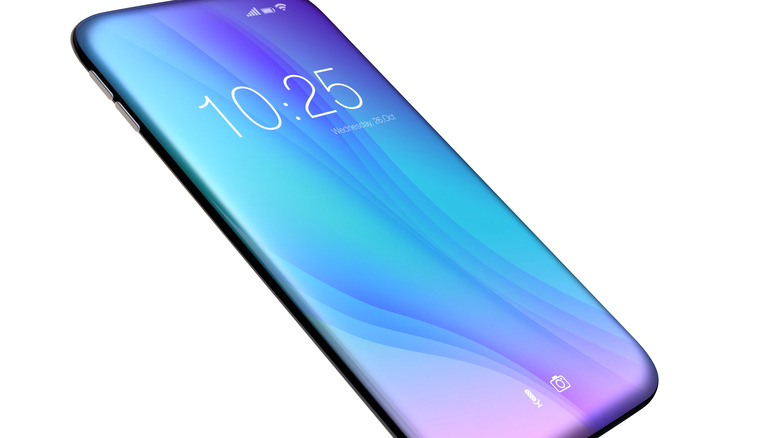
A flat screen may be the standard for most devices, but that's not to say it's the only option. For example, curved monitors offer various pros and cons worth accounting for when you're in the market for a new display. On the other hand, while some smartphones may still offer curved phone screens, there's a reason this gimmick is fading in popularity. Namely, curved phone screens suffer from key weaknesses that don't apply to flat screens.
Phones with curved displays were reasonably popular for a few years because they looked attractive to some. However, that appeal generally extended only to the shape of the device itself. The actual display of a curved screen doesn't tend to offer any advantages over a flat screen. While the flat vs. curved screen debate may ultimately boil down to a matter of taste, consumers buying smartphones should understand the reasons curved phone screens have fallen out of favor in recent years.
Curved screens don't always play well with certain app interfaces
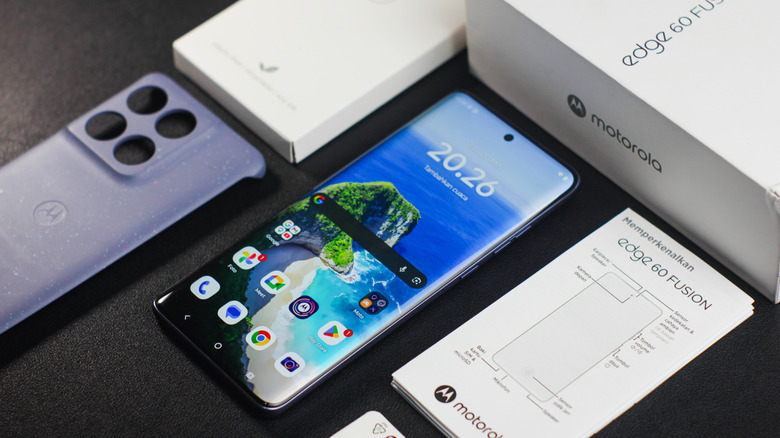
The shape of a curved screen isn't ideal for all apps. Because using apps is among the most common reasons to reach for a smartphone, this represents a major limitation.
For example, perhaps the interface of an app features buttons that, due to their position, should sit along the side of the screen. On a curved screen, though, this can sometimes prevent an app from registering a tap. Similarly, if you're trying to swipe from a section of the screen near or at where it curves, doing so can prove challenging.
This issue can do more than just prevent some users from easily taking certain actions when using apps — it can also cause users to accidentally perform actions they didn't mean to perform. When buttons and other such features are located along the curve of a curved screen, it can be easy to accidentally tap buttons or icons you didn't mean to tap. You probably don't need to be told why this can get frustrating.
Protecting, repairing, and replacing a curved phone screen can be a challenge
Again, while a curved phone screen may offer some aesthetic appeal, it may fail in key practical ways. Another example of this is the fact that users report having trouble properly applying screen protectors to curved screens. They've also found that phone cases tend to fit non-curved screens better. True, there's an argument to be made that screen protectors are no longer necessary, but you'd probably at least like the option of easily applying one if you wish.
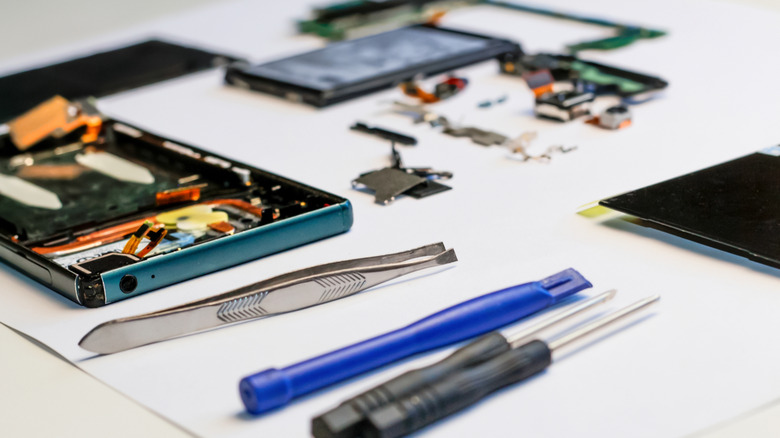
Building a curved phone screen is also typically more challenging and costly than building an equivalent non-curved display. Along with potentially affecting the cost of the device itself, this can be a problem when it's time to repair a screen. Repairing a damaged curved phone screen may be more expensive than repairing a traditional screen because they're more challenging to work with, adding to the overall cost of ownership.
This problem is exacerbated by the fact that cases and screen protectors notoriously don't fit curved phone screens with ease, so the odds of damaging one in the first place may be greater than the odds of damaging a more conventional phone display. Curved phone screens are also more fragile than flat ones. This further increases the risk of damage. On top of all that, some report that curved phone screens can make it a pain to comfortably hold a smartphone by its edges, which could cause a user to drop the device. That's a lot of hassle for a sleek design.
Watching videos on curved phone screens isn't always ideal

The very nature of a curved phone screen means there's a chance that some visual content will get lost or warped around the edges when watching a video. That's clearly not a major issue with a flat phone display.
This point actually aligns with one of the key reasons manufacturers generally stopped producing TVs with curved screens. A curved screen requires the ideal viewing angle in order for a viewer to see everything clearly.
Even users willing to point out the benefits of curved smartphone screens often admit that they have little to do with improved performance. Some people simply like the way a device with a curved screen looks. That said, unless manufacturers are able to address the numerous problems that users have encountered with these screens, it's unlikely curved screens will be making any sort of major comeback in the foreseeable future. If you do come across a phone with a curved screen, keep these potential issues in mind before making a purchase you might regret.