

Samsung's Market Share For The Galaxy Watch Just Hit A New Low
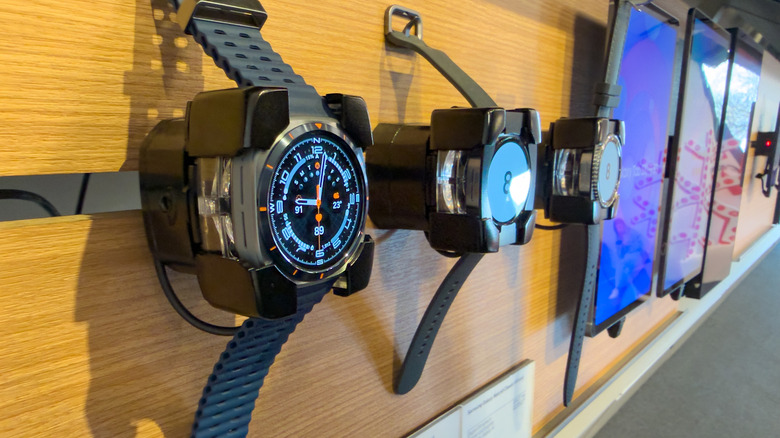
A new report by Counterpoint Research shows that, though global momentum for smartwatch sales has continued to grow in 2026 (despite some consumers ditching them), Samsung's market share has plummeted. While competitors like Apple experienced substantial growth of 21% and some underrated smartwatch brands have begun to claim their own stake, Samsung's Q1 2026 smartwatch shipments dropped an eyewatering 28% year-over-year. That's quite a large number in the wearable space.
The report attributes a great deal of the overall market growth to China's rapidly expanding adoption, as well as an overall greater global appetite for wearables with health tracking capabilities alongside advanced sleep tracking functions. It's also bullish about the market's future. Counterpoint predicts that smartwatch shipments will continue to swell at a Compound Annual Growth Rate (CAGR) of 3% until 2030. Despite these positives, Samsung has somehow managed to ship fewer wearables than it did last year, which is definitely a point of concern.
Samsung's struggles
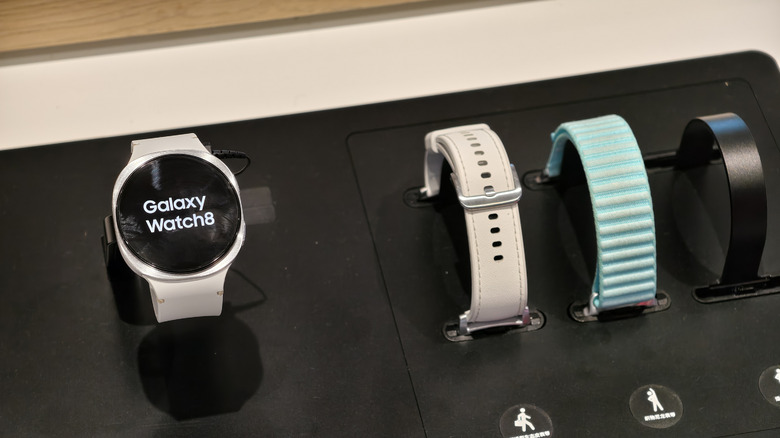
There are several reasons Samsung's Galaxy Watch line might be struggling to keep pace with the market. One is that the South Korean manufacturer is facing increasing pressure from competing Chinese manufacturers, such as Huawei and Xiaomi. Another factor is the shift towards more affordable options in major markets like India. Samsung's position as a premium brand means it's losing traction compared to an Indian brand, Noise, a bootstrapped company (before a large investment from Bose and others) that carved out a share by selling feature-rich watches at much lower prices than Samsung or Apple.
Samsung also seems to have an inertia problem. The Galaxy Watch has stagnated somewhat in terms of new features, and has struggled to convince its existing customers to upgrade. This is true both on the design and features front and in terms of hardware. The 2025 Galaxy Watch Ultra refresh, for instance, retained the same chip (the Exynos W1000) as the previous version. Samsung is getting squeezed from both sides: cheaper competitors are winning budget-conscious buyers, while its own premium lineup hasn't differentiated itself enough to push users to upgrade.