

These MacBooks Won't Get The macOS 27 Update
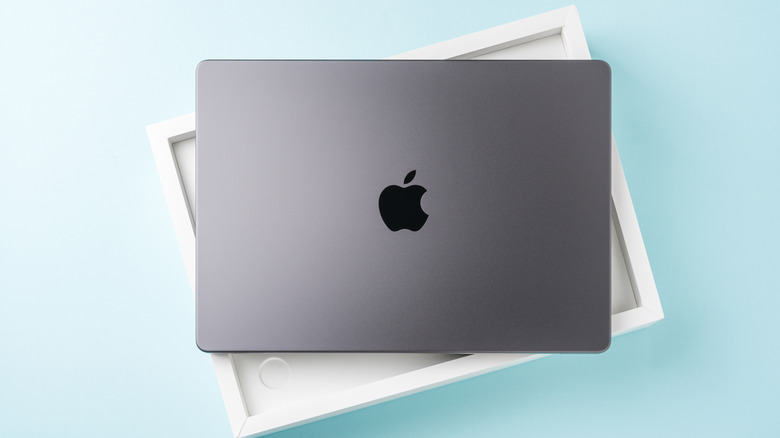
Apple's Worldwide Developers Conference 2026 revealed some very exciting news for Apple enthusiasts. The highlight was undoubtedly Apple Intelligence and Siri AI. Another big reveal was macOS 27 Golden Gate, which comes with a variety of new features and improvements over previous updates. However, only certain devices are getting this new OS update, and it's important you know whether your Apple computer is among them.
Apple already discontinued support for most Intel Macs with macOS 26 Tahoe in 2025. The only Apple computers using Intel processors that got this update were the 16-inch MacBook Pro from 2019, the 13-inch MacBook Pro from 2020, the Mac Pro from 2019, and the 27-inch iMac from 2020. None of these are getting the macOS 27 Golden Gate update, which means only users with Macs powered by Apple silicon are supported.
What this means is that all Macs released since 2020 that have M-series chips will get macOS 27, including different models of the MacBook Air, MacBook Pro, iMac, Mac mini, Mac Studio, and Mac Pro, as well as the latest MacBook Neo with the A18 Pro chip inside.
What happens to Intel Macs?

Even though Apple has dropped major OS support for its Intel-based products, that doesn't mean your Intel MacBook or MacBook Air is completely obsolete. Apple follows a pattern where every OS gets security updates for three years after its initial release. Following the same pattern, you can expect your Intel-based iMac or MacBook to receive updates until 2029.
Another area of concern is with apps that are built natively for the x86 architecture, as the company states that Golden Gate will be the final macOS version to have Rosetta 2, Apple's Intel-to-Apple translation layer. This means that you can run Intel apps just fine on macOS 27, but you won't be able to do so once macOS 28 arrives.
This incentivizes developers to produce versions of their apps specifically for Apple silicon, which should make them perform much better. However, this presents an issue for older apps and games that are no longer in active development, since they cannot be optimized for Apple silicon. The company provides a saving grace here, claiming it will keep some Rosetta functionality in upcoming updates to run older games, but this function won't work with most Intel apps that are still getting updates.