

Siri Or Alexa – Which Voice Assistant Came First?
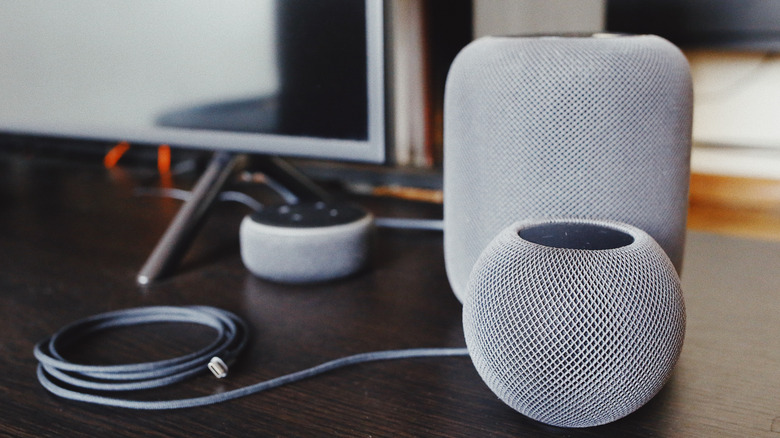
While many believe there simply isn't much need for Amazon Alexa anymore, the numbers prove otherwise. Only 20% of global users rely on voice search, but 46% of US citizens engage with voice-enabled devices daily, which is anything but insignificant. With Amazon rolling out Alexa+ in early 2026 to bring the outdated voice assistant up to speed with the generative AI revolution, a rule-based engine under the voice UI's hood is a thing of the past. But before embracing the future, it doesn't hurt to look at how the tech started. Which came first, Siri or Alexa? Or was it something completely different?
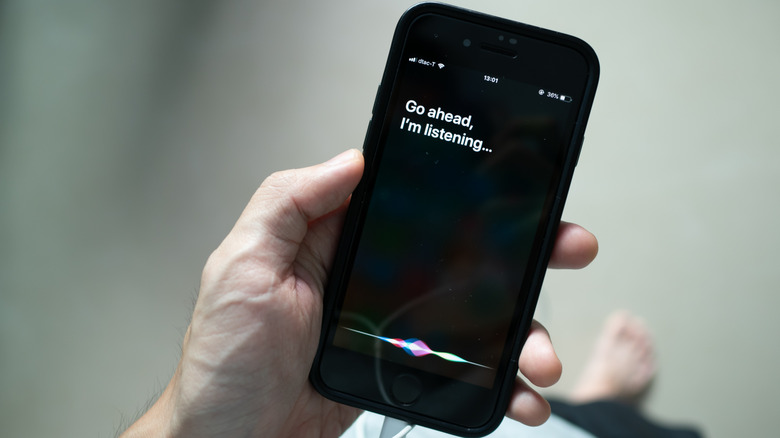
Alexa became the de facto assistant in the smart speaker industry (and still is), but Siri precedes it by a little over three years. Launched in April 2011, Siri was the first widely available voice assistant that exploded in part due to its practical role in the Apple ecosystem. After all, coming pre-installed on the iPhone 4S, which racked up four million in sales in the first few days, helped Siri become a household name overnight. Shortly afterwards, Microsoft unveiled Cortana, but it fell short of the bombshell that Amazon dropped in 2014, when the Echo smart speaker presented the now-famous Alexa.
The roots (and the future) of voice assistants
When you dive into the weeds, you could argue that the debate of whether Siri or Alexa came first could go either way, so to speak. Both voice assistants technically stood on the shoulders of giants. IBM planted the seeds for voice assistants as far back as 1961 with the Shoebox, a machine that could recognize human voice. The HARPY voice recognition system pushed things further a decade later and could understand over 1,000 words. Dragon Dictate from 1990 was next, becoming the first voice recognition program aimed at consumers.
Both Siri and Alexa can be directly connected to the original Shoebox, and for much of their heyday, they operated like an NPC dialogue tree in a video game. Though voice assistants felt borderline magical when they were first released, the novelty wore off for many. It became clear they were best off handling micro-tasks like setting timers, putting on your favorite music, and so on.
Once generative AI hit the scene and LLMs became masters at complex conversation, basic voice assistants started looking like Stone Age technology, so introducing AI into the mix seemed like the logical next step. In an ironic twist of fate, once these big companies modernized the classic assistants like Siri and Alexa, numerous users started complaining about them becoming less reliable for basic tasks. In 2026, many users are convinced the original Siri is useless and there's no need for it. The big Siri AI overhaul coming in iOS 27 looks set to change that. Whether there's still space for the humble voice assistant remains to be seen, but considering how fast AI is taking over, Siri and Alexa (as we know them today) may survive only in our hearts.