

Why Did The Nintendo GameCube Fail?
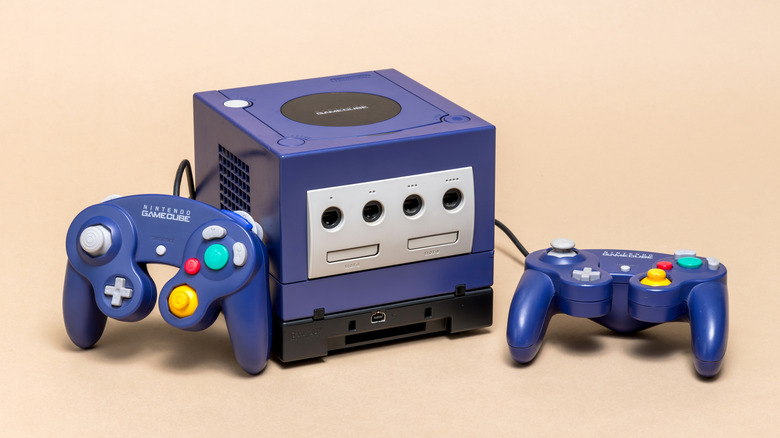
When people think of a failed Nintendo system, most will mention the Wii U. While Wii's successor does take the crown for being Nintendo's biggest modern-day hardware failure, the Virtual Boy from the '90s did worse by a fair margin compared to all of Nintendo's systems. However, the Nintendo GameCube didn't quite hold up compared to the Nintendo Switch or the Switch 2 (which is still very young). Looking back at numbers alone, the GameCube was smoked by Sony's PlayStation 2 and Microsoft's Xbox, its competitors at the time, showing that Nintendo didn't quite rein in audience when needed.
But we know the deep history of Nintendo and why a ton of its first-party exclusives are usually must-haves in most gaming libraries. So what went wrong? Why did the system from 2001 fail? To get to the answer, we must consider that the targeted demographic that latched onto the Nintendo 64 from the previous console generation had grown older, and Sony and Microsoft did some things right.
The Nintendo GameCube was a commercial failure
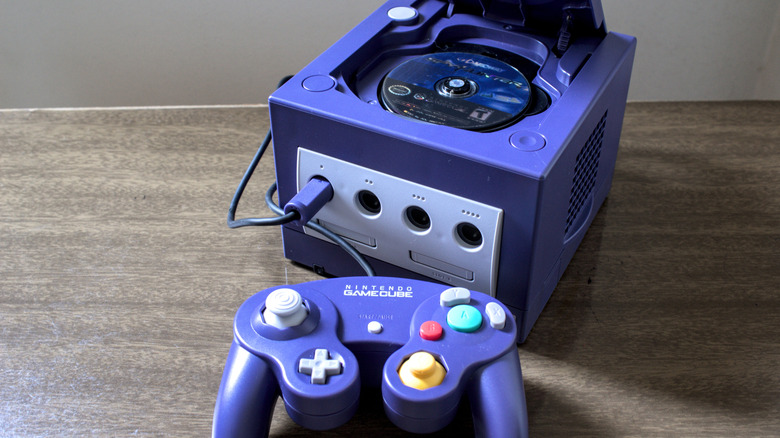
Looking back at the reported numbers, the Nintendo GameCube sold a total of 21.74 million units of hardware. By comparison, that didn't come anywhere near the numbers of the first Switch, which sold around 155.92 million units and was considered a massive commercial success for the company. Plus, in 2001, Nintendo was still divided between consoles and handhelds; you can see that the Game Boy Advance, released around the same time, surpassed the GameCube in hardware with 81.51 million units sold. GBA game sales also outperformed the home console, with over 377.42 million cartridges sold versus GameCube's 208.58 million discs sold.
And no, the Game Boy Advance was not the reason the GameCube became a commercial failure, since Nintendo designed them to work together by targeting different demographics (console versus handheld). GBA's only competition was Nokia's N-Gage, whereas the GameCube had to worry about the PlayStation 2 and the Xbox. Still, Nintendo's console versatility and excellent ergonomics were a major win for the company.
Though Game Boy Advance sales helped the company through GameCube's failings, the major success of the Nintendo Wii helped it bounce back. Plus, even if you bought a Nintendo Wii and owned several GameCube titles, you could play your GameCube discs on some Wii models.
The GameCube didn't live up to its competitors
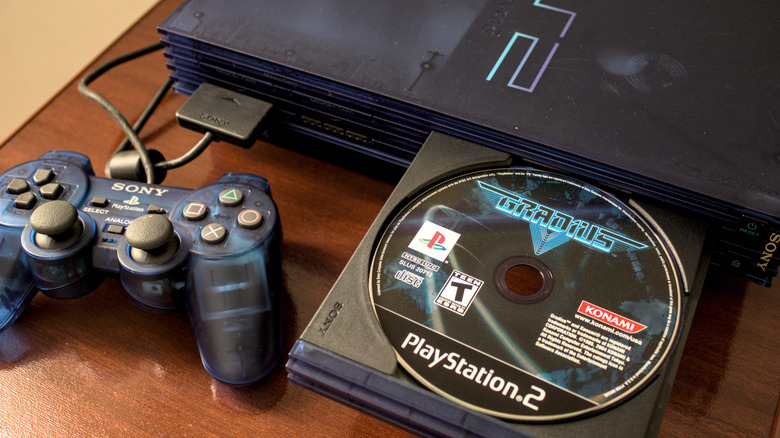
Xbox and Sony were major players when the GameCube was released in 2001. The original Xbox was Microsoft's first console, and given Microsoft's reputation in the tech space, it was always going to gain eyeballs. It became Microsoft's foothold in the console market and even in hardware; it was the first console to feature a built-in hard drive and a standard Ethernet port. This ramped the machine into the reputation it has today: the console that revolutionized online multiplayer. That suddenly made it a more enticing system to get, especially as the gaming generation grew older and children became teenagers who figured out you could now socialize and game at the same time — a win-win strategy that Microsoft capitalized on. You can even see this philosophy in the company's upcoming console, codenamed Project Helix.
Sony's PlayStation 2 wasn't too far behind in the multiplayer department, but the feature didn't launch with the console. Instead, you had to buy a PlayStation 2 Network Adapter until one was included in the later Slim version. But one feature that stood out was Sony's move to DVD-ROMs, which changed how games would play and allowed people to use their consoles as DVD players. This technical change made it challenging for GameCube mini-discs to compete, as they held less data than DVDs, leading third-party developers to be more interested in publishing games on Sony's platform rather than on the GameCube. Moreover, the PlayStation 2 had a strong software presence, with cumulative sales of 160 million units.