

Smart Switches Vs. Smart Bulbs: What's Better For Your Home?
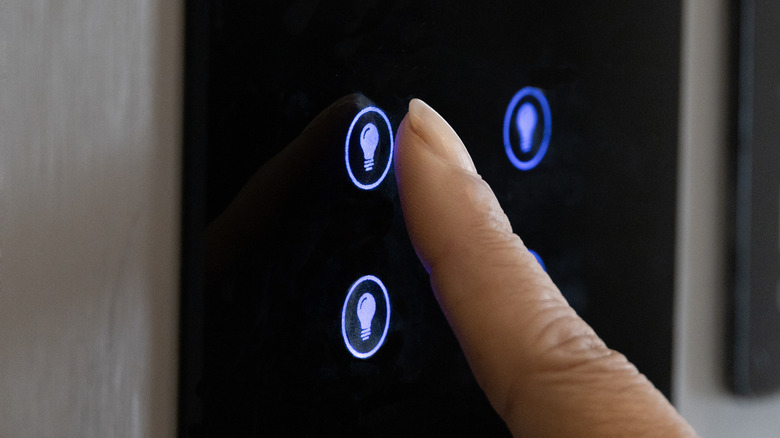
If you're interested in starting or building a smart home, you've probably run into one of the first dilemmas: choosing between smart switches and smart bulbs. They both operate similarly, but the decision can be confusing because while the technologies look similar, they solve different problems. In the end, the distinction matters if you want to avoid common mistakes when upgrading your smart home.
Smart switches are generally a good choice for anyone who wants to change the main lighting or ceiling lights, because they can keep your electrical circuit on all the time. So even if someone turns off the switch, the lights will continue to work without any problems. Smart bulbs offer better customization and work best for table lamps or decorative lighting.
Each of these choices has its own strengths and weaknesses. The best pick for your house is the one that solves your problems efficiently, though you can also combine smart bulbs and switches for more organization and control.
Smart bulbs are better for color and easy setup

One of the biggest advantages of smart bulbs is that they are easy to install, since most of them already come with a base for conventional sockets. Just screw the bulb in, pair the device through the app, and start using it. You don't need to touch the electrical wiring, which makes it a great solution for anyone who wants to avoid touching the house's electrical system.
Smart bulbs also offer more customization for your home. Many options come with thousands of RGB color combinations and temperature variations ranging from warm to cool light. For example, if you want to set up a gaming room, you can use one of the best smart lights for your home theater to adapt the room lighting with a few taps on your phone and match what's happening on the screen. No smart switch can do that.
However, despite this major customization advantage, these smart bulbs still connect to your electrical system. So, even if you can turn them off and on with your phone, if someone flips the wall switch, the bulb will stop working until someone manually turns it back on. With that, you can lose all the automation you set up, which may happen more than you'd like if you live with other people.
Smart switches are better than bulbs for home automation
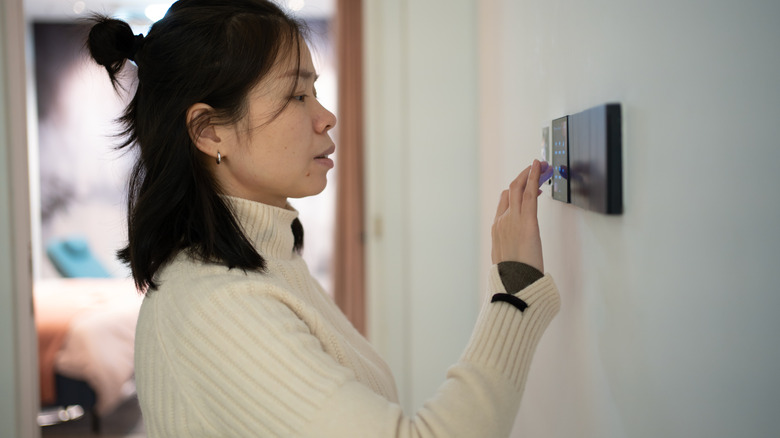
If your goal when setting up a smart home is to lean more on automation than customization, exploring creative ways to use smart switches around the house is the best alternative. Since the switch controls power directly on the wiring, pressing the switch on the wall will not interrupt the device's communication with your Wi-Fi, and power flows to the lighting as normal while the system stays active.
But installing a smart switch is more complex than screwing a smart bulb into a socket, since it involves working with your home's electrical wiring. Many models require a neutral wire in the switch box, which is common in newer houses but not much in older ones. In addition, this does not turn your conventional bulb into something smart, so you cannot change its color or temperature as you would with a smart bulb. You can only control power on and off using your phone or voice.