

5 Android Phone Apps You Can Safely Uninstall
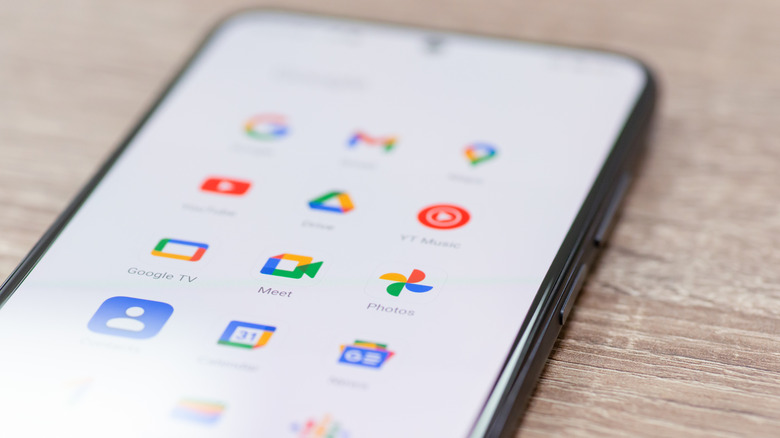
There are many reasons why a phone may come with unwanted software preinstalled. Perhaps you purchased a Samsung phone that comes with a suite of software from the company, which is how the company offers features only Samsung Galaxy devices have. Or maybe you got a deal at your carrier for the latest handset and it came with a bunch of carrier bloatware. Even if you buy a Pixel directly from Google, these devices can offer their own bloat with extraneous apps like Google TV. No matter which carrier or manufacturer you prefer, there are a handful of preinstalled apps that came with your phone that can be safely uninstalled, or at the very least, hidden.
If you've used a Samsung phone, there's a high chance it came with a Meta app or two preinstalled (some are even hidden) or a fleet of Microsoft Office apps you don't need. Worse, many OEMs duplicate Google's work, offering their own file browsers, image storage solutions, and note-taking apps. Samsung notoriously offers its own suite alongside Google's, but it's not alone either. Why would any manufacturer or carrier leave that potential revenue stream for Google to eat up when they can easily create their own proprietary version? All of this bloat exists to compete for your attention or data, and the truth is, most is unnecessary.
So rather than live your Android life with bloatware, we're here to share the more prominent apps you can safely uninstall, from unnecessary carrier apps to redundant security apps. Here's your cheat sheet so you know what you can safely remove or hide in order to transform your Android experience into something much more easily navigated and purpose-driven. It's time to take control of your Android phone.
Carrier apps
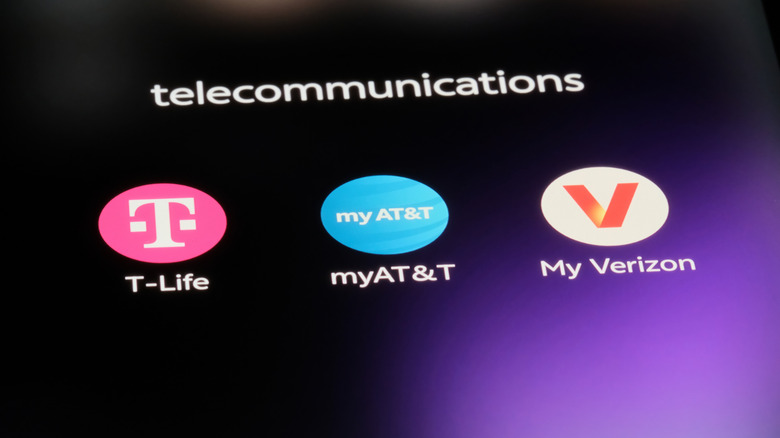
If you purchased or leased your Android phone from a carrier, there's a good chance the device offers a carrier-branded app or two. The most prominent are account apps, like My Verizon and T-Life, but they aren't necessary for paying your bill (websites exist). It can be convenient to have a dedicated app to check your account status instead of signing in to view your details through a web browser, but it's not like carrier apps are known for their speed or navigability — T-Mobile's recent switch to its controversial T-Life app is a perfect example of the increasingly bloated experience these apps offer. Basically, carrier apps can be pretty annoying to use, and that's before you explore the other bloatware carriers love to preload on Android phones (more on those below).
Carrier apps aren't always just about user convenience — they can also collect valuable user data. Another wrinkle is that some app developers have learned that annoying users keeps them in apps longer, a design practice known as dark patterns. Similarly, Verizon once drew criticism for preinstalling an app called AppFlash, which the EFF described as spyware. So there is a track record of distrust, which is a valid reason to remove carrier bloatware apps that you're not using.
If you'd like to ditch carrier bloat, open your phone's main Settings menu and navigate to the Apps section. From there, select the offending app and tap Uninstall if available. If it isn't, then you should be able to choose the Disable option instead. While the first method will completely remove the app from your device, the second will freeze it while hiding it from your app drawer.
OEM-branded apps
Similar to how carriers will add preinstalled apps to an Android smartphone, so too will device manufacturers (OEMs), and OEMs will often duplicate a lot of existing apps. This is something Samsung is guilty of, though it's not alone, since the point is to get people using these in-house apps to gain access to the sweet, sweet user data, which can then become part of another revenue stream for the company. For instance, Motorola often includes a Motorola Notifications app, which sends out advertisements for its products — yuck. Even Google does this with its Pixel phones by preinstalling apps like YouTube Music and Google TV. And if you're sensing a pattern that many of these preinstalled OEM apps coincidentally accept payments for digital goods, that just means your pattern recognition is working.
So even when it comes to your OEM of choice, not all of the apps that were preinstalled on your Android smartphone are there for your benefit. It would seem spending upwards of a thousand dollars just isn't good enough when users can also be corralled into using apps that are most beneficial to the manufacturer. A classic double dip, and it's one Microsoft got hammered for after forcing a browser default in Windows many years ago. Thankfully, you don't have to take it sitting down, since these preinstalled OEM bloatware apps can either be uninstalled or disabled.
Similar to the instructions for removing unwanted carrier apps, to remove or hide unwanted OEM apps, like Samsung Wallet, OnePlus Notes, or Google Fit, head to Settings > Apps, find the offending apps, then either tap Uninstall or Disable one by one until your app drawer is clutter-free.
Duplicate system apps
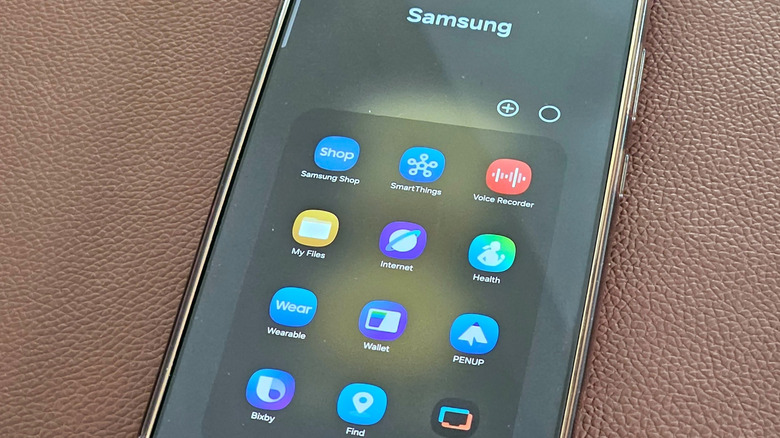
Samsung is one of the worst offenders when it comes to duplicating many of Android's and Google's built-in apps, including core system apps like your file browser. In fact, Samsung offers an entire suite of Android apps, from its own Galaxy Store to a web browser (that is actually pretty good) and a digital wallet, calendar, and device-finding alternative. While Samsung would undoubtedly love it if you switched from Google's apps to its own (which is why they come preinstalled), the amount of bloat they create can be a nuisance if you already have your favorites that are outside Samsung's suite. This is why many users seek out how to remove many of Samsung's apps to avoid duplicates on their home screen.
The good news is that removing most of these duplicate system apps isn't that hard, and the few that can't be removed (without the help of ADB) can at the very least be disabled. First, you should hunt down all of the duplicate apps you'd like to remove under Settings > Apps — say, if you prefer the Google Calendar over Samsung Calendar, you can either select Uninstall for Samsung's app, or if you're on an older version of One UI, you can select the Disable option for Samsung Calendar.
A few other duplicate Samsung apps to look out for would be Bixby and SmartThings, which Gemini and Google Home already cover. But many manufacturers tend to offer duplicates, like OnePlus' My Files, duplicating the work of DocumentsUI (Android's default file picker) as well as Google Files. Point being, if you prefer to live outside the bounds of a manufacturer's duplicate apps, it's easy enough to disable or delete them from your phone, much like the unnecessary OEM and carrier apps discussed above.
Preinstalled third-party apps
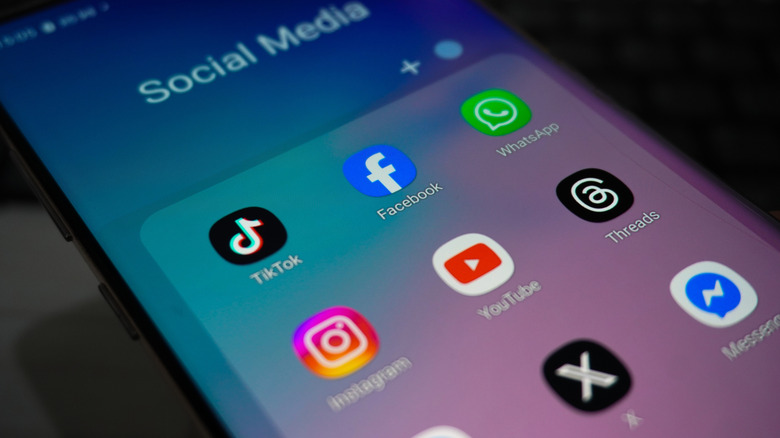
Many manufacturers and carriers include preinstalled third-party apps on their Android phones. Companies like Samsung are well known for shipping devices pre-loaded with social apps like Facebook or streaming apps like Netflix, and even companies like OnePlus have followed suit with apps like Instagram. Often, these third parties pay for their apps to be preinstalled, with the idea that users will leave them installed — or better yet, engage with them, broadening the user pool without the industry roadblock of needing a download. After all, installing an app causes friction, and studies show that 45% of users will only install an app when absolutely necessary. In other words, preinstalled apps are preinstalled for a reason.
Of course, since many of these apps pay for their placement, they aren't really there to please users to begin with, so many have sought ways to remove such unnecessary apps from their hardware. The good news is that the vast majority of these third-party apps can be uninstalled outright, since they usually aren't system apps (not that OEMs haven't tried with apps like OneDrive). And for the few clinger-ons that can't be removed — well, you can still disable them and forget they were ever there.
If you aren't enthused with the preinstalled third-party apps on your phone, it's pretty simple to remove them. Like the other apps in today's roundup, you'll want to hunt down these everyday apps that are tracking your activity, like Facebook and Instagram. Simply select the offenders in Settings > Apps, then either tap Uninstall or Disable.
Antivirus and security apps
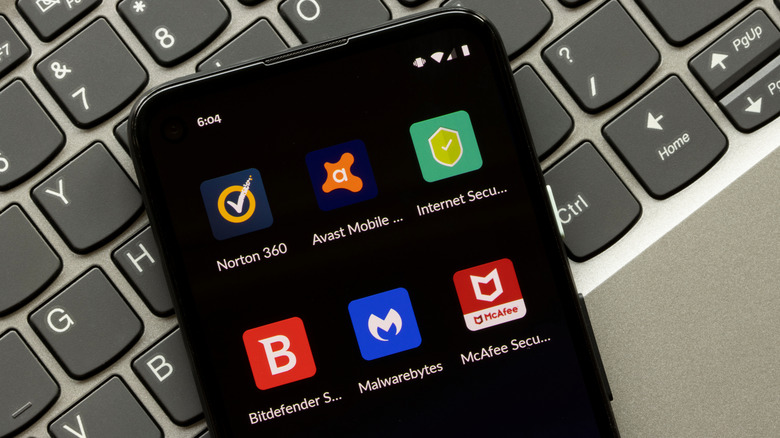
Thanks to Google Play Protect, there's simply no need for Android antivirus apps anymore. This means third-party apps like McAfee, Norton 360, and Avast are unnecessary, and carrier security apps like AT&T ActiveArmor, Verizon Protect, and T-Mobile Lookout can be removed as well. While there can be a benefit to having an extra layer of security on any Android device — something of a failsafe if Play Protect misses catching a bad actor in time — it's not necessary. Unless you're dealing with highly sensitive data on your Android smartphone, Play Protect is enough, especially when it can operate much closer to the metal than any third party ever could.
Task killers also fall into this category and are just as unnecessary, since Android offers its own fine-tuned scheduler to keep your RAM available. Samsung's Device Care is an app that might otherwise fall into this category — but it's a protected system app, which means you can only fully remove it through ADB. Sadly, much of Samsung's battery tuning depends on Device Care, so even if you have the skills to remove the app with ADB, you shouldn't. This is why we've only recommended uninstalling or disabling apps throughout today's roundup, as these options are less prone to breaking your system than removing packages with ADB and are plenty accessible.
So you may not be able to easily remove every security app preinstalled on Android, especially one as ingrained into the system as Samsung's Device Care. But if you see names like Norton or McAfee in your app drawer, those apps can be uninstalled safely so you can let Play Protect do its thing unencumbered.