

Keeping Your DVD And Blu-Ray Collection Is Important - And Sony Is Proving Why

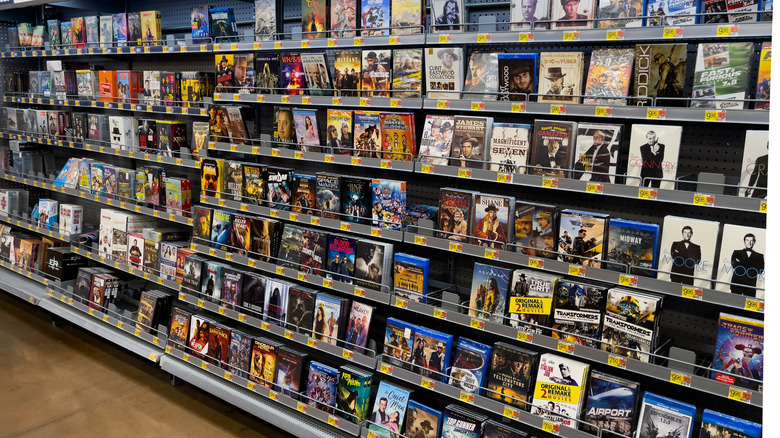
There's a growing trend amongst the youngest generations, particularly Gen Z, of turning away from digital products in favor of physical media. Similarly, they're returning to brick-and-mortar movie theaters in lieu of Netflix and other streamers, and locking down offline music they can access when the internet (and Spotify) aren't available. Out of the mouths of babes comes truth, as the saying goes, and Sony is proving the wisdom of Gen Z's aversion to digital media.
Sony recently announced it's removing more than 550 digital titles from the PlayStation accounts of users as a result of a content licensing agreement with Studio Canal. Studio Canal, part of the Canal+ group owned by parent company Vivendi, is a French film production and distribution house with one of the largest film libraries on the planet. While users haven't been able to purchase new media on the PlayStation platform since 2021, this move affects content that's been paid for in full, including a number of major titles spanning film and television.
Renewing the debate between physical and digital media
Affected titles include critically acclaimed films like Oscar nominee "The Big Sick" and Oscar winners like "The Deer Hunter," "The Graduate," "Traffic," "Silver Linings Playbook," "Moonlight," and many others. There are also a number of hugely popular blockbusters on the chopping block like "Paddington" (and the sequel, "Paddington 2") and "Bridget Jones' Diary." TV series affected include "American Gods" and the Jude Law/Diane Keaton mini-series, "The Young Pope."
Sony's brusque announcement has reignited the online debate about what ownership means in the era of digital media. Reddit users were quick to point to a policy at Valve that states that while games may be delisted from the company's massive video games storefront, Steam, they can never be removed from the libraries of users that have purchased them. Many heaped praise on physical media like Blu-rays and DVDs, which can also be ripped to extract digital versions of the media on them. One user pointed to the delicious (and tragic) irony of Amazon removing users' access to the dystopian novel "1984" in a similar move.
Unsurprisingly, there were few commenters leaping to Sony's defense. On the contrary, several advocated illegal piracy as a reaction to massive rights holders like Sony purging content from customers' libraries. While we don't endorse piracy in any form, it's perhaps not a surprising reaction when Sony acts to make digital ownership feel more like a lease.