

China's New Hydro Plant Is A Mountain-Sized Battery That Could Change Clean Energy
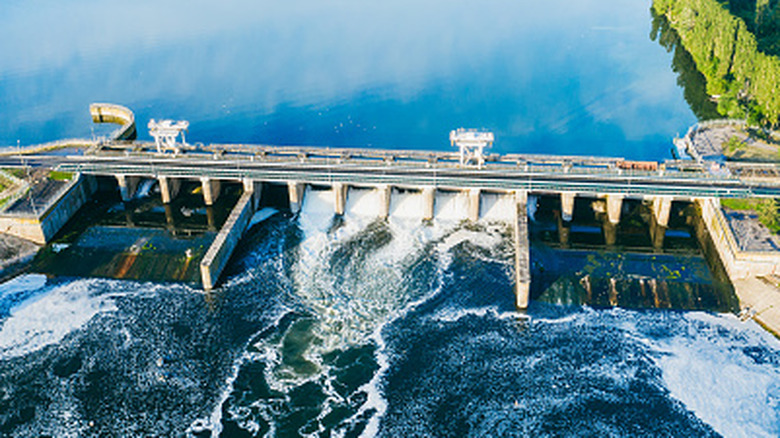
Though China accounts for over half of the world's coal use, the country has invested heavily in green energy infrastructure. This includes an offshore wind farm some call a clean energy gamechanger and flying wind turbines that can generate huge amounts of power. One of these ambitious projects is a dam being built in Daofu County, within Tibet, that aims to turn a mountain into a massive generator and battery. The Daofu plant, which has been under construction since early 2024, takes advantage of the mountain's size.
Using the power of a miles-long drop, it generates electricity and serves as a giant water battery that can store 12.6 million kilowatt-hours a day, which the government says is enough to power 2 million households in the region. Storage is an important aspect of renewable energy that still needs work. Being able to bank enough clean energy to keep things running when the sun isn't shining and the wind isn't blowing is crucial to ending our reliance on fossil fuels. As with other Chinese energy projects, though, it's not without controversy.
How hydroelectric plants store power
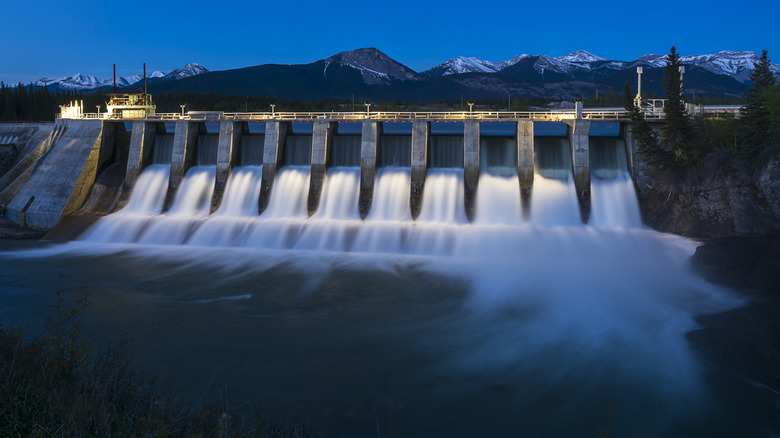
Facilities like Daofu operate as a water battery using pumped storage hydropower, which involves building two reservoirs at different elevations. When energy demand is high, the plant generates power by dropping water from one reservoir to the other — in Daofu's case, down about 12 miles of tunnel —generating electricity as it passes through turbines. When demand is low, the plant uses its own power to pump water back to the upper reservoir.
A pumped storage hydropower plant's ability to store and release power allows it to function as a massive battery that can provide electricity as needed. That reliability remains an issue with solar and wind energy, which fluctuate in power production capabilities based on weather conditions. At times of max sunlight and wind, panels and turbines often create more than can be used, and unless you have batteries to store that electricity, it goes to waste.
Not having enough power on hand from renewable sources when conditions change can mean turning to solar power-ruining fossil fuels to meet demand. This is what the Daofu hydroplant is meant to address. The facility is part of a larger plan to create a regional energy system powered by a mix of clean sources where hydro picks up the slack when existing solar panels can't meet demand.
Daofu plant comes with environmental and political concerns
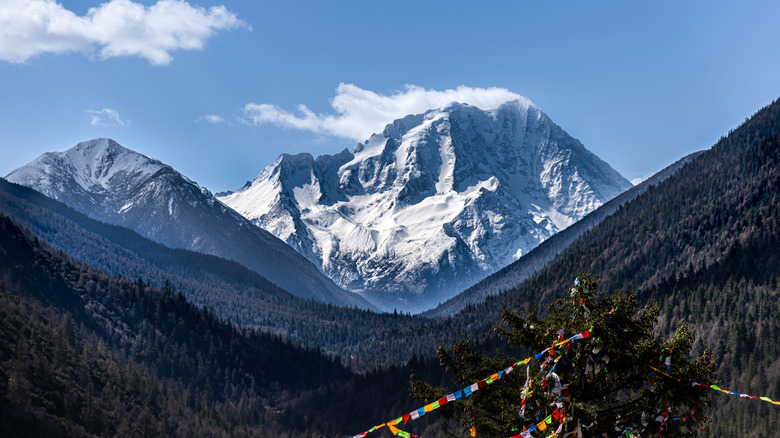
Ambitious clean energy projects such as the Daofu hydropower plant are key to addressing climate change, but come with their own set of concerns. First, China is building the plant in Tibet, a contentious region with a history of human rights violations and environmental exploitation by the Chinese government. Constructing dams like this can mean displacing residents, damaging the local ecosystem, and drowning important cultural sites. This has led to protests and violent crackdowns in the past.
There's also international concern that the Daofu dam would allow China to control the flow of the Brahmaputra River, which flows into India and Bangladesh. The Indian government, especially local leaders, fear the river could be weaponized by releasing "water bombs", which has the country considering plans to build a dam on its side of the border as a countermeasure. All this is happening at a time when water scarcity is contributing to regional tensions.
Massive dams like the Daofu hydroplant come with environmental concerns, too. Though Chinese authorities claim the dam won't have any major environmental impacts, experts point out that the site is near a tectonic plate boundary, leaving it vulnerable to earthquakes. There's also concern that constructing the dam could make landslides more common and increase erosion. While turning a mountain into a giant water battery could be a game changer for clean energy, there are some major political issues and environmental risks that need to be considered.