

Why Are DVDs So Much Cheaper Than Streaming And Blu-Ray?
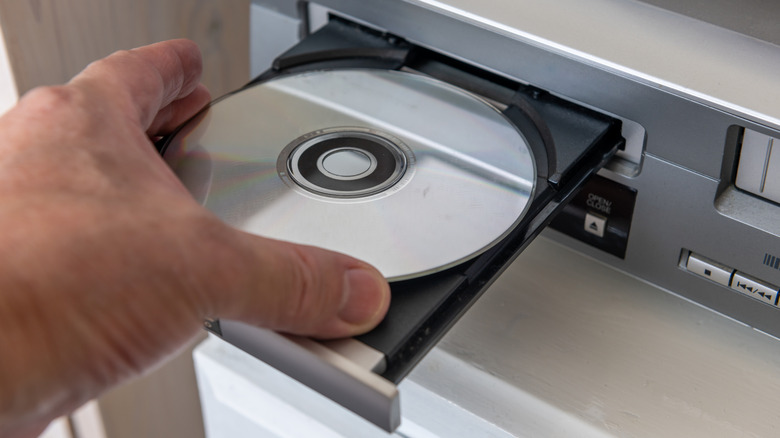
The heyday of the mighty at-home video or DVD has been replaced with the way of streaming lately. These days, many consumers prefer to access the movies they want on a one-off basis using a subscription rather than owning it outright. However, that doesn't mean that you can't buy physical movies anymore. While 4K Blu-ray players and the discs they require still garner a pretty high price tag, you can still get solid and affordable deals in town for physical media — particularly the humble DVD.
Blu-rays and their 4K counterparts go on sale frequently, but there's no denying that DVDs are the cheaper way to go. One quick search on Amazon and you'll see that classics and modern films alike tend to be much cheaper on DVD. That's for a few reasons, with the biggest being the literal quality of the print. DVDs max out at around 480p, while Blu-rays use full HD resolution and 4K Blu-rays opt for 4K resolution. So, while we love the extra features and bonus content on these discs, DVDs have been dropping significantly in popularity in recent years thanks to high-fidelity alternatives. However, there's still plenty of back stock that studios and manufacturers want to offload quickly at low prices.
DVD supply, demand, and storage

While the quality of the DVD content may provide some understanding for the cheaper price tag, the question still remains: Why are companies printing DVDs and charging so little for them? The key here is supply and demand. Because DVDs aren't the most popular format for a movie, there just aren't that many people buying the copies that are out there, and the laws of supply and demand then push those prices down.
While there isn't a direct, simple answer for why all DVDs are generally cheaper, there are a few reasons as to why supply keeps coming. Some experts guess that there may already be an outsized stock of DVDs that companies want to sell for a discount to clear them out, rather than trashing them or returning them to warehouses. Similarly, the supply chains for DVDs are already mature and paid for, so it doesn't actually cost all that much to produce a DVD. This helps warrant the lower price.
One final consideration is storage. Manufacturers don't want to destroy DVDs, but they also don't want to store them indefinitely. This means deeper discounts, special promotional runs, and more. Storage is also a consideration on the back end, as consumers don't have an appetite for physical media taking up space in their homes as much anymore. (Even PlayStation is ditching physical games for an all-digital future.) With the prevalence and convenience of streaming services and digital downloads, consumers likely are willing to pay a bit more for these so they don't have to store stacks of plastic cases indefinitely.