

Can Your Amazon Alexa Devices Be Hacked?
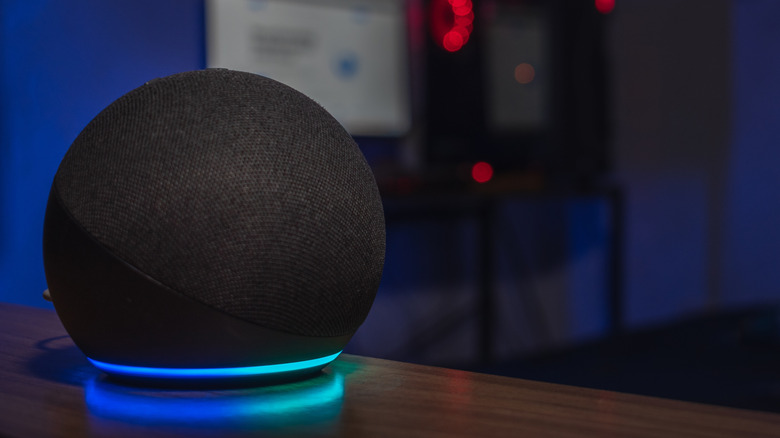
Amazon Alexa devices are surprisingly secure as of 2026, even though they're always listening for their wake word. There are no widely known, unpatched exploits that allow attackers to remotely take over current Alexa devices. Most documented attacks require malicious actors to gain physical access to the smart speaker or trick users into taking some action. If someone manages to access the Bluetooth on your Alexa and succeeds in pairing, they could potentially take control via pre-recorded sounds, but again, they'd need to be physically on your property.
This isn't to say the Alexa line of hardware is infallible. Researchers have demonstrated multiple ways to hijack the speakers over the years, but Amazon is relatively quick to patch reported vulnerabilities. In 2022, researchers published a paper demonstrating one of the more recent attack methods. However, it still required preparation and prior access to the device.
Since Amazon launched Alexa-enabled devices in 2014, the number of publicly documented, real-world hacks has remained relatively limited. More serious attacks have targeted indoor security cameras, but having conversations listened to is always a concern when having an Alexa in the house. That said, many of the detailed hacks require extensive setup and, again, physical access to the device.
Alexa hacks have so many requirements
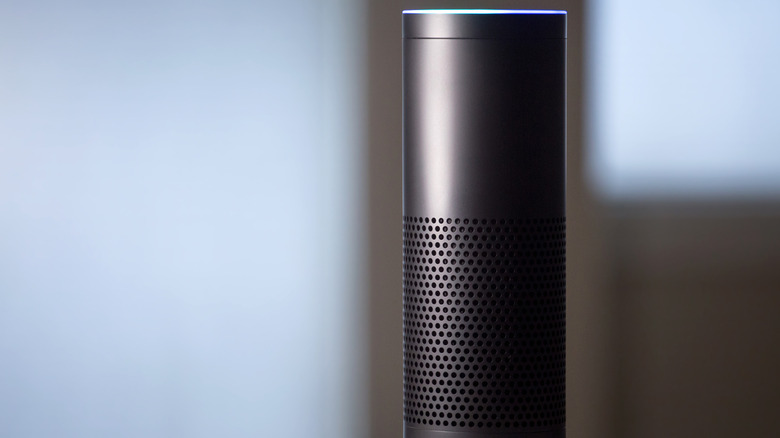
In 2017, the UK-based MWR Labs managed to turn a first-generation Echo into a wiretap. This was done by opening the base, which, on these early iterations, featured metal pads for connecting to the device's internal hardware on the factory floor. With a bit of MacGyver-esque ingenuity, the researchers were able to fully take over Alexa using custom malicious software.
The following year, a woman reported that an Alexa device had sent a voice message to a random contact on her list. Amazon insisted that this was due to the voice recognition system mishearing the words "Alexa" and "send message." Also in 2018 at DEF CON 26, researchers detailed how they hacked an Alexa (among other smart home hubs) and broke into its software to manipulate it. Again, this required physical access.
Further research by SR Labs in 2019 found that a malicious Alexa Skill could potentially be used for "vishing," or voice phishing, to trick users into revealing their passwords. The researchers then published a full demonstration showing how the attack worked and claimed Amazon had not patched the issue six weeks after disclosure.
People are now hacking their own Amazon Echo Shows
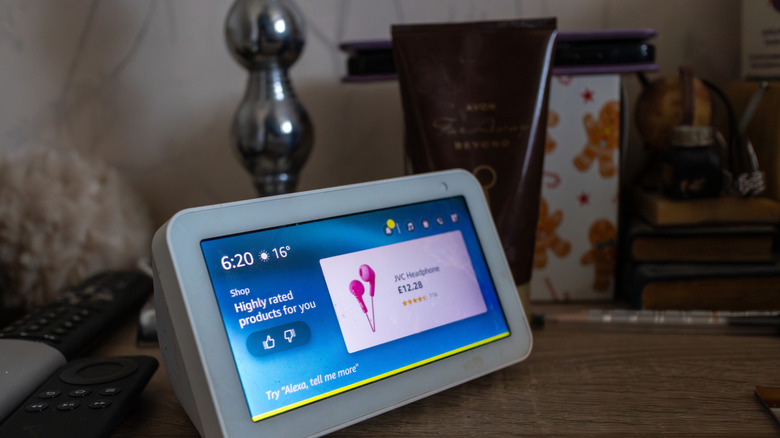
Check Point Research also discovered a vulnerability in 2020 that could allow attackers to remove or install apps and Alexa Skills. Rather than getting physical access to the device or full access to it, this attack relied on tricking users into clicking a malicious link. According to Check Point, a successful attack could have exposed passwords, personal information, and voice history, and "silently" installed Skills, viewed installed Skills, or removed them. Like many phishing attacks, the exploit depended on the victim clicking a malicious link. Amazon patched the vulnerability before it became widespread.
Since 2022, newly disclosed Alexa vulnerabilities have become less common, but jailbreaking older or now-obsolete Echo devices has become somewhat of a norm among some customers unwilling to give in to the planned obsolescence. Currently, the Echo Show 5 (first and second generation) and the Echo Show 8 are the only Amazon Alexa devices with confirmed community jailbreaks. Whether these devices are still worth owning is another question entirely.