

This New Wearable Tech Program Might Save Lives During The Next Global Heatwave
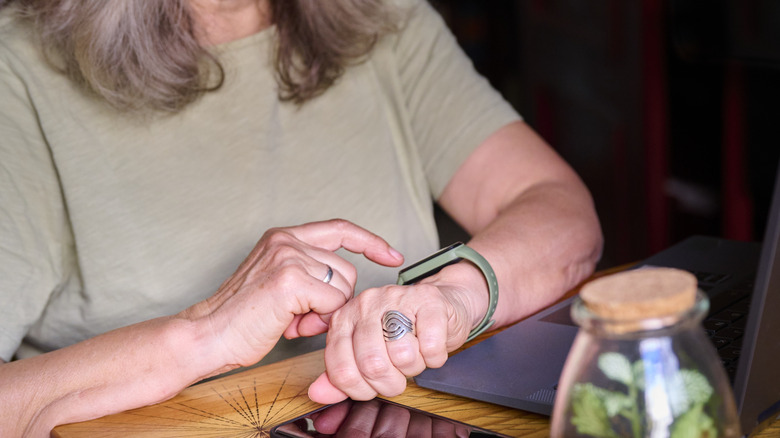
An unprecedented heatwave has pushed European nations to the limit in 2026. According to the World Meteorological Organization, more than 1,300 deaths have been linked to the extreme heat in Europe since June 21. The Centers for Disease Control explains that people aged 65 years or older are more prone to heat-related health problems, which is exactly why Rome, Italy has launched a wearable tech program with the goal of monitoring the well-being of seniors during the current high-temperature crisis.
Rome is home to more than half a million people over the age of 65, and launched its remote health monitoring initiative last year for the purpose of protecting older individuals who require swift medical response during emergencies. This year, that same technology is saving lives as temperatures reach dangerous levels as high as 104 degrees Fahrenheit. Elsewhere in Europe, temperatures have even reached 113 degrees Fahrenheit.
Of course, there are some uncomfortable truths about wearable tech. Namely, privacy concerns and the corporate misuse of personal data. Clinical psychologist Piera Pomente spoke to Reuters and offered the assurance that "It's not like we spy inside their homes with cameras." Moreover, Pomente explained that the health-tracking bracelets helped alert responders to two critical emergencies in the past year. On a daily basis, the wearables provide regular welfare checks and grant peace of mind; benefits which arguably outweigh the potential privacy concerns.
Could a wearable tech program succeed beyond Italy?
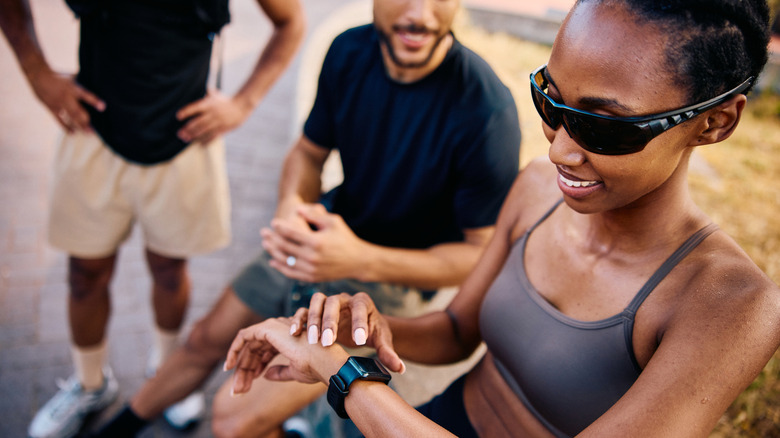
The municipality of Rome invested approximately $456 million into its wearable tech initiative, and the elderly citizens participating in the program have reportedly been amenable to this form of health monitoring. Reuters spoke to 85-year-old Roman widow Dina Gazzella, who described the watch-like device as a "lifesaver" when she feels unwell.
The question is, are other jurisdictions around the globe willing to invest in this type of program, and are the populations likely to be as amenable as the people in Italy? In many cases, the coolest wearables you can buy aren't smartwatches; consumers are becoming acclimated to wearing health trackers that resemble bracelets or rings. The biggest obstacles are the government's willingness to fund such a program, and a lack of public trust in government.
Our review of Superpower Health showed that there's promise in an independent preventative healthcare system that puts you in touch with a professional medical team. It's entirely possible that a wearable tech program could succeed in places like the U.S., but it might be private companies rather than governments that eventually make it happen. The next time a global heatwave inevitably rolls around, it may be in society's best interest to find a way to replicate the success found in Rome.