

How Long Do Users Say Android Watches Typically Last?
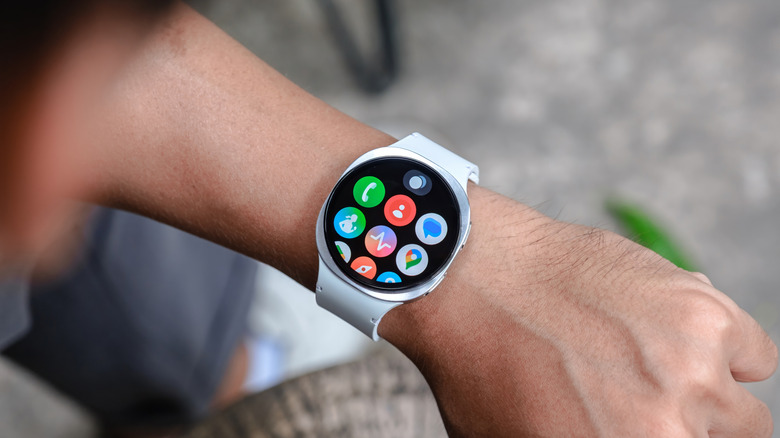
Android watches aren't made to last. That's not a hardware issue; it's a software one. No matter how well you look after your Android smartwatch, at some point in time, it'll be a victim of a lack of software support. Features and security will break down and eventually leave you with the option to suffer through the inconvenience or upgrade. Once you see the lifespans of some of these expensive bits of kit, you might reconsider purchasing a smartwatch.
Flagship watches from Samsung or Google will physically last for years if maintained properly. Reports from users online mostly address how long a watch battery would last, since daily charges decrease the watch's maximum capacity after just two years, according to some owners. This is par for the course with lithium batteries, as several charge cycles to 100% will eventualy reduce their effectiveness.
Again, the main issue with Android-based smartwatches is how the software support meanders into a dead end, forcing you to consider replacing the smartwatch itself. Website endoflife.date tracks the lifespan of various devices and reveals that if you own a Samsung Watch from before or around 2022, it'll be in the security update phase. That means the operating system, WearOS, will no longer receive functional updates, only security patches to ensure it can't be hacked. The Samsung Watch5 and Watch5 Pro will see support end in six months.
Major brands have different long-term support policies

Meanwhile, the Google Pixel Watch situation is possibly worse than Samsung's. Of its four smartwatches, only two are getting full support. Those who bought the Pixel Watch 1 or 2 will already know Google has discontinued them and ended support for the original model in October 2025. The Pixel Watch 2 will no longer receive updates starting October 2026. The Pixel Watch 3 and 4 also have update deadlines, ending in October 2027 and 2028, respectively.
For other brands, like Garmin, it might be a different situation. While the watches will eventually reach end-of-life, users online have reported that they still receive maintenance updates every so often. However, Garmin owners say the company might not issue a ton of updates compared to other Wear OS and Android smartwatch manufacturers. Garmin details some of this update information via a PDF but doesn't appear to have a dedicated support schedule.
Another brand, Polar, is a little more explicit with its watch lifespans. All devices have a declared minimum of five years of support before they enter the end-of-life stage. The company also claims that the team "constantly monitors the releases of known vulnerabilities." The Polar Ignite 2, featured on best-of lists by several experts and dedicated outlets, was released in 2021 and will enter end-of-life this year. It's still being sold, albeit at a discount.
The lifespan of Android smartwatches just isn't enough
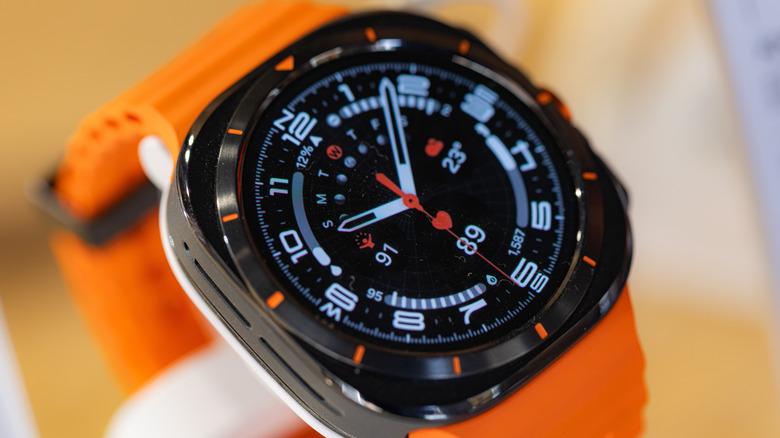
OnePlus has a fairly opaque support policy for its wearables. It claims to provide a minimum of two years of support, which probably means its products will receive security updates. But the watches on its list are either coming up to or are outside of that two-year window. Oppo ended support for the Watch X in March and carries a similar policy to OnePlus, as both brands are under the same parent company.
Xiaomi has seen three watches reach end-of-life this year (Redmi Watch 4 in January, S3 and Watch 2 in February) and is bracing for another two in September (Redmi Watch 5 Lite and Active). An underrated hybrid smartwatch from Withings comes with five years of support, but the company is clear that once that time is up, the device will no longer receive new features, and the company will only assist users based on the watch's last known feature set.
Much like phones and every other piece of technology available in 2026, it no longer matters how much you look after a device or keep the hardware updated — like with PCs running Windows 10 perfectly that can't upgrade to Windows 11 due to older hardware. Using a smartwatch for many years is a matter of manufacturers maintaining proper support or, in some cases, users themselves figuring out how to bring smart devices back to life after retailers have abandoned them in an attempt to force owners to buy a newer model.