

Here's Why Movies Didn't Move To USB Drives After DVDs
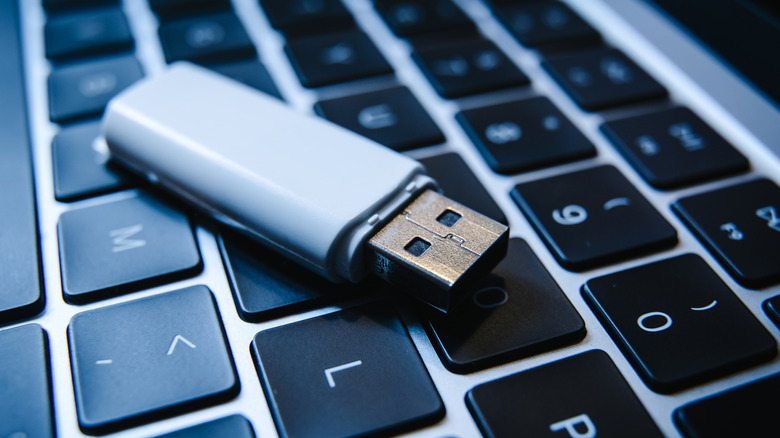
Some of us remember when the DVD was an innovative technology earning no shortage of superlatives from tech enthusiasts. With the emergence of the Blu-ray disk, home video took yet another apparent quantum leap forward. Ultimately, these formats both gave way to streaming and digital downloads. Despite the convenience of such alternatives, it appears physical media may be making a comeback. This could bring us back to a question some may have asked in the days when DVD and Blu-ray were the primary options for watching movies and shows at home: Why didn't anyone ever try to sell movies on USB drives or similar small formats before streaming became commonplace?
The idea seems to make sense. Flash drives, SD cards, and USB sticks are all quite small. By the time DVDs and Blu-rays went mainstream, many consumers already had experience using these storage options. Offering movies and TV shows in these formats would seem like an obvious way to reduce packaging sizes while offering new options that consumers would generally feel comfortable using. Although the notion might sound good on paper, certain practical realities of manufacturing these formats explain why putting movies on USB drives never even reached the experimental stage (at least on a large scale).
No one put movies and shows on USB drives mainly because of cost barriers
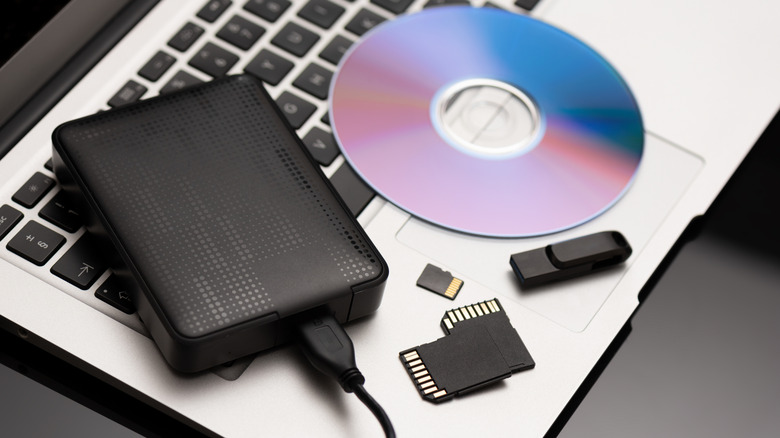
Back in 2008 or so, when most people still relied on DVDs and Blu-ray discs for home video, the average cost to manufacture a DVD was less than 50 cents. The result was a disc capable of holding about nine gigabytes of data. Manufacturing a Blu-ray disc may have been slightly costlier, but not by much, with the average Blu-ray costing less than $2 to produce. Such a disc offered up to 50 gigabytes of storage.
Compare that to the cost of manufacturing a flash memory chip in 2008. The cost translated to about $2.50 per gigabyte, meaning offering a full movie or show in this format would be far too expensive for consumers. Piracy concerns may also have deterred companies from offering this format, as it's harder to encrypt USB drives and related formats than to protect DVDs and Blu-rays. Manufacturers essentially determined it didn't make sense to try selling consumers a more expensive, less secure product.
Alternatives to traditional physical media are technically out there
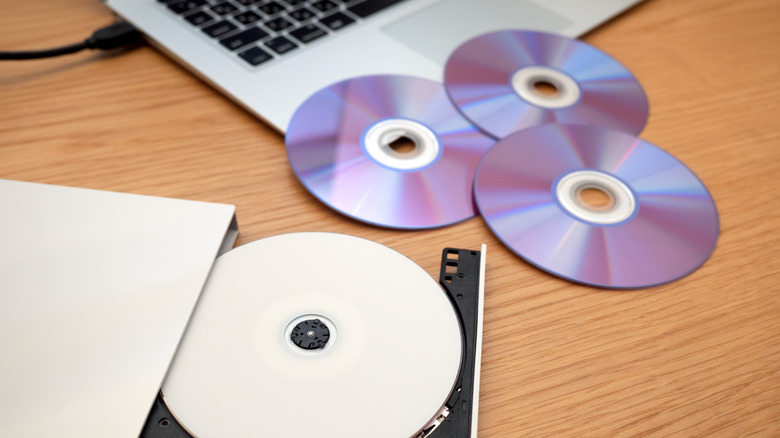
None of this is to say no one has seriously considered the potential benefits of the USB approach. Although offering movies and shows on USB drives never became common practice among major companies, smaller outfits like Video StoreAge are currently appealing to cinephiles in the digital age by offering indie films via this format. As the company is fairly new, it's impossible to say what the results of this experiment will be.
The fact that it's possible to argue that there's simply no need for USB flash drives in this day and age might not bode well for these types of ventures, but again, it's too early to tell. In the meantime, you might have old DVDs and Blu-rays you'd like to digitize, since you prefer the convenience of streaming to the advantages of any physical format. If so, research ways to turn your old physical media collection into your own streaming service, with all your favorites available through one platform. In terms of easy access to entertainment, it arguably even beats a small USB drive.