

Google Pixel Vs. Samsung Galaxy: Which Is Better For Night Photography?
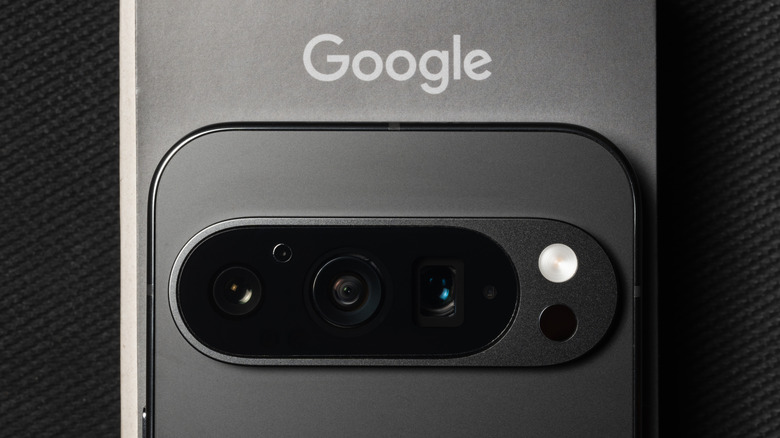
Comparing phones isn't easy. Comparing cameras? Even harder. Sure, if you go spec-by-spec and stack up different camera systems by number of megapixels, you can declare a winner purely on paper. Today, though, all the best phone cameras use AI post-processing to improve images, which drastically muddies the waters and leaves too much open to speculation and personal taste. For instance, put a Samsung S26 Ultra against a Google Pixel 10 Pro XL. The former sports a 200MP main camera while the latter has only 50MP to work with, but the difference isn't as apparent as you'd assume based on those specs alone. In fact, one could argue that the Pixel has a slight edge in low-light conditions.
So, does the Pixel's camera beat the Galaxy's for night photography? Technically, it delivers more natural nighttime shots thanks to its Night Sight mode. However, while the Pixel may wipe the floor with older Galaxy models in low-light photography, the Samsung Galaxy S26 Ultra and its 200MP camera with an aperture of f/1.4 let in more light than the Pixel's f/1.68. As a result, many of its shots are genuinely brighter, which might make it seem like it's a clear champion. Yet, Google Pixel's algorithms are doing the heavy lifting here and are doing such a good job that they're overcoming the megapixel and the aperture gap. Pixel shots look slightly better and more true to life, with a pleasing contrast that really pops in night shots.
Why Pixel takes slightly better night photos
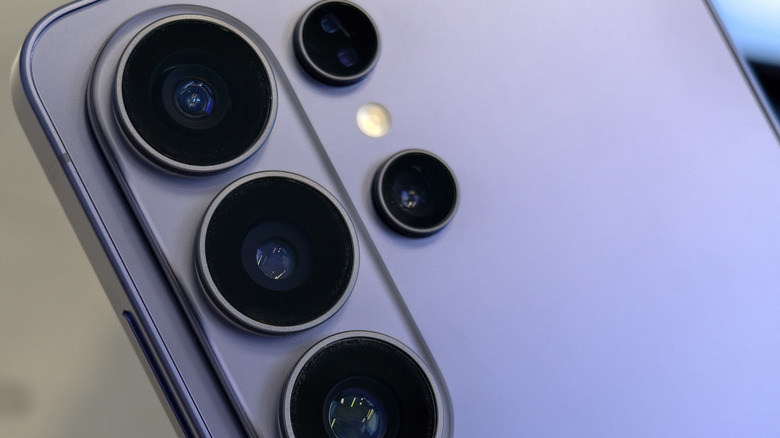
So, how is it possible that the Pixel vs. Galaxy camera debate for night photography isn't as clear-cut as it absolutely should be on specs alone? To start with, sheer megapixels don't really play a huge role unless you plan on cropping (or making prints). At the end of the day (excuse the pun), phone camera sensors (and lenses) are so small compared to large cameras that they basically use plenty of software tricks like image stacking and AI-powered unblurring and subject detection, which makes the algorithms sometimes much more important than the hardware.
Google Pixel's Night Sight, specifically, takes multiple long-exposure shots, merges them, and then uses machine learning to reduce noise. In many cases, the image ends up having better lighting than the real scene. This is where Samsung falters a tiny bit. Its camera system often processes the image so much that portions of the shot look unnatural. Brighter, yes, but also less convincing. The latest iteration hasn't changed much. The YouTube channel DrTech compared the aforementioned Pixel to the Galaxy S26 Ultra, and the night shots on the Samsung are still too bright. While this quirk does reveal more detail, the result often doesn't do the night scene justice.
Of course, some prefer the extra light, no matter how unnatural it is. One could also argue that you could dial down the excessive brightness in post, which would make it a non-issue. Either way, Samsung's Nightography has come a long way, and a few algorithm adjustments could help it dethrone the Google Pixel, which many agree reigns supreme in low-light photography.